Feeling tight on space in your backyard? You’re not alone. Many of us dream of an outdoor escape, but small yards can feel limiting. That’s why I created this post—because I believe that even the tiniest outdoor spaces can be transformed into open and livable retreats.
If you’re someone who loves gardening or simply enjoys spending time outside, this article is for you. Whether you have a cozy patio, a tiny garden, or a narrow strip of grass, you’ll find ideas tailored to elevate your small yard. You might be looking for ways to grow herbs, create cozy nooks, or make the most of your outdoor space.
In this post, I’ve gathered 12 backyard ideas for small yards that are not only stylish but also practical. From vertical gardening solutions to charming outdoor living ideas, each concept is designed to make your yard feel bigger and more inviting. You’ll discover creative ways to incorporate greenery, define spaces, and add personal touches that reflect your unique style.
Get ready to explore options that will help you maximize every inch of your small backyard. With these ideas, you can turn your outdoor area into a delightful retreat that you’ll love spending time in. Let’s dive in and unlock the potential of your little oasis!
Key Takeaways
– Discover vertical wall gardens to add greenery without taking up precious ground space.
– Learn how raised garden beds provide easy access while maximizing your gardening area.
– Explore the charm of cozy nooks, perfect for relaxing or entertaining outdoors.
– Find out how patio pavers can help you define areas in your small yard effectively.
– Consider adding a mini outdoor kitchen to make cooking and dining in your yard a fun experience.
1. Vertical Wall Gardens: A Living Canvas

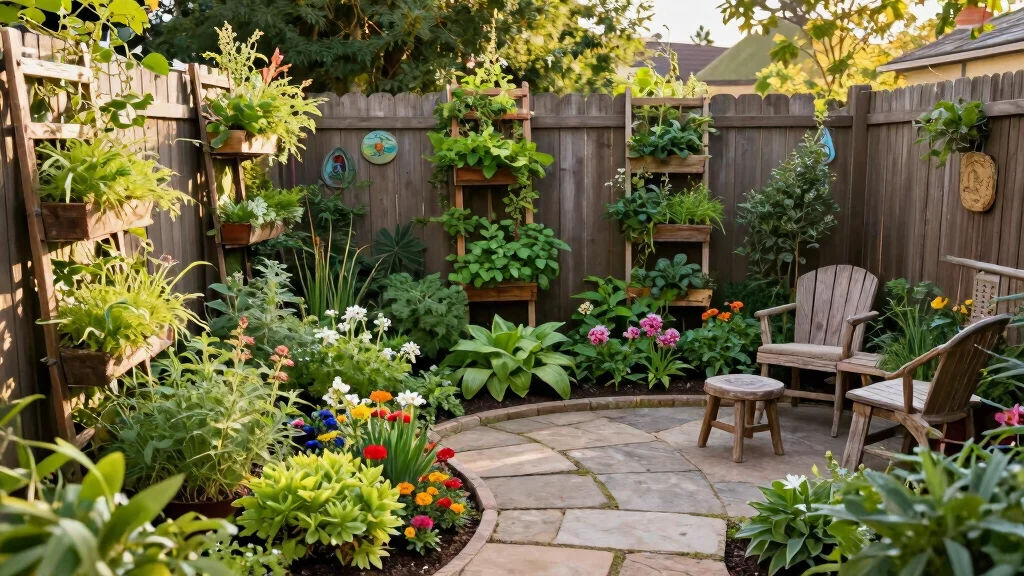
Vertical wall gardens are a fantastic way to breathe life into your small yard. They transform dull walls into vibrant living art, infusing your space with color and greenery without sacrificing ground space. Depending on your climate, you can choose from a variety of plants, including succulents, herbs, or flowering vines, to create a lush tapestry.
To get started, select a sturdy structure like a wooden frame or a commercial vertical garden kit. Position it in an area with good sunlight, ideally with southern exposure. Installing a drip irrigation system can help keep your plants hydrated and make maintenance a breeze.
Key steps for a successful wall garden:
– Assess sunlight levels: Find the best spot for plant health.
– Mix plant varieties: Combine herbs with colorful flowers for contrast.
– Choose vertical planters: Opt for stackable or hanging pots for space efficiency.
– Add personal touches: Incorporate art or decorative lights for charm.
– Schedule regular maintenance: Monitor water and light to keep plants thriving.


2. Raised Garden Beds: Efficient and Accessible
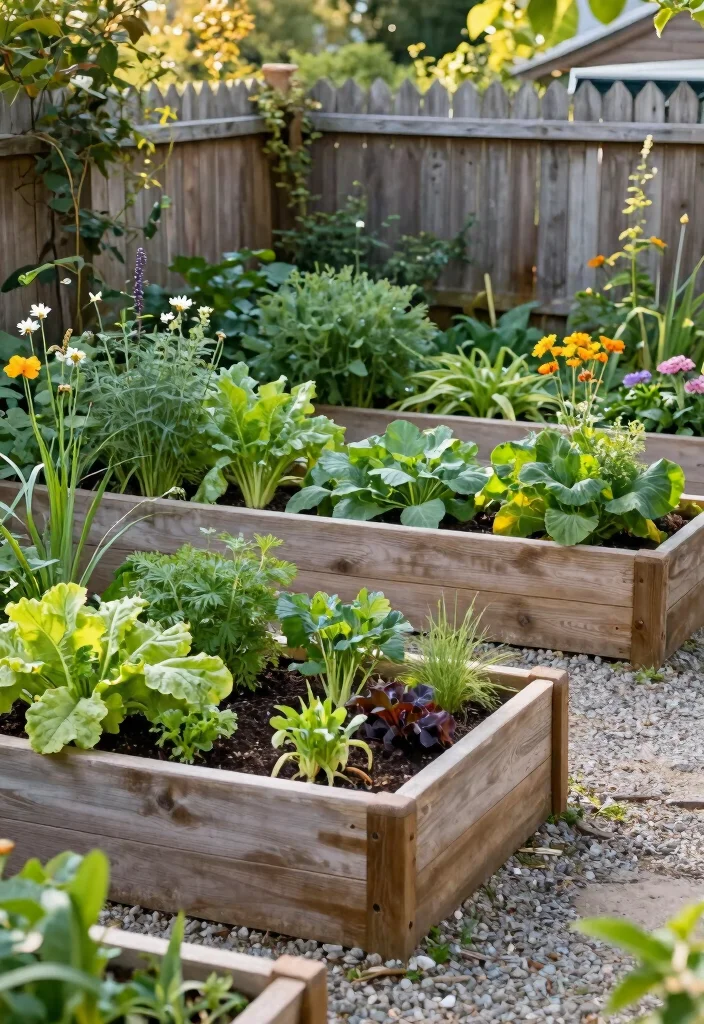
Raised garden beds are an ideal solution for small yards, offering an organized and efficient planting area. These beds elevate your garden, making it easier to manage while promoting excellent drainage for healthy plants. You can craft them from various materials like wood, stone, or recycled bricks to suit your style.
Construct your raised beds to a height of 12-24 inches for easy access during planting and maintenance. Position them in a sunny spot, ideally getting at least six hours of sunlight daily. Filling them with a rich mix of soil and compost will ensure your plants flourish.
Here’s how to maximize your raised bed garden:
– Choose shapes wisely: Square or rectangular beds fit well in small spaces.
– Use safe materials: Untreated wood prevents chemicals from leaching.
– Create pathways: Design walkways for easy access between beds.
– Pair compatible plants: Group plants that benefit each other.
– Mulch generously: This helps retain moisture and reduce weeds.


3. Cozy Nooks: Create an Outdoor Living Space
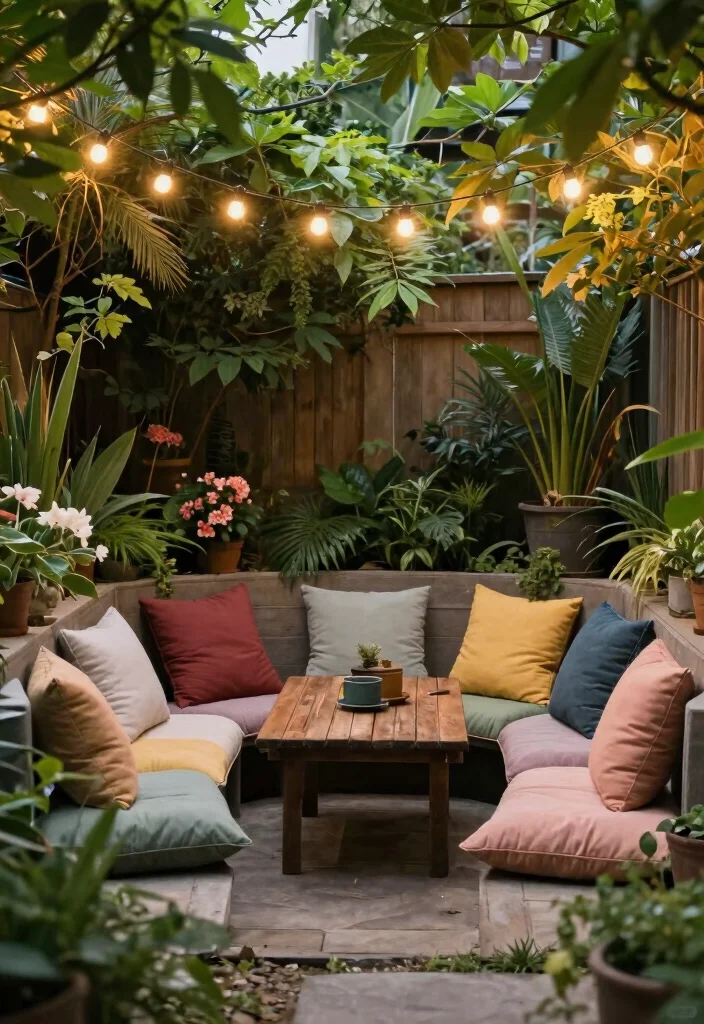
Designing cozy nooks in your backyard can turn it into a welcoming retreat. These intimate corners are perfect for reading, enjoying your morning coffee, or simply basking in the sun. Incorporate comfortable seating with cushions and throws to make your outdoor area feel as inviting as your living room.
Choose natural materials like wood or stone to harmonize your nook with the landscape. Surround your seating area with planters filled with fragrant herbs or colorful flowers to enhance the ambiance. A small outdoor rug can bring warmth, while string lights or lanterns will create a magical atmosphere for evening relaxation.
Steps to create your perfect nook:
– Find a secluded spot: Look for a corner that feels private.
– Choose comfy seating: Weather-resistant options like hammocks or lounge chairs are ideal.
– Add soft lighting: String lights can create a cozy evening glow.
– Use vibrant cushions: Bright colors can liven up your space.
– Include plants: Potted greenery adds life and tranquility.


4. Patio Pavers: Defining Spaces
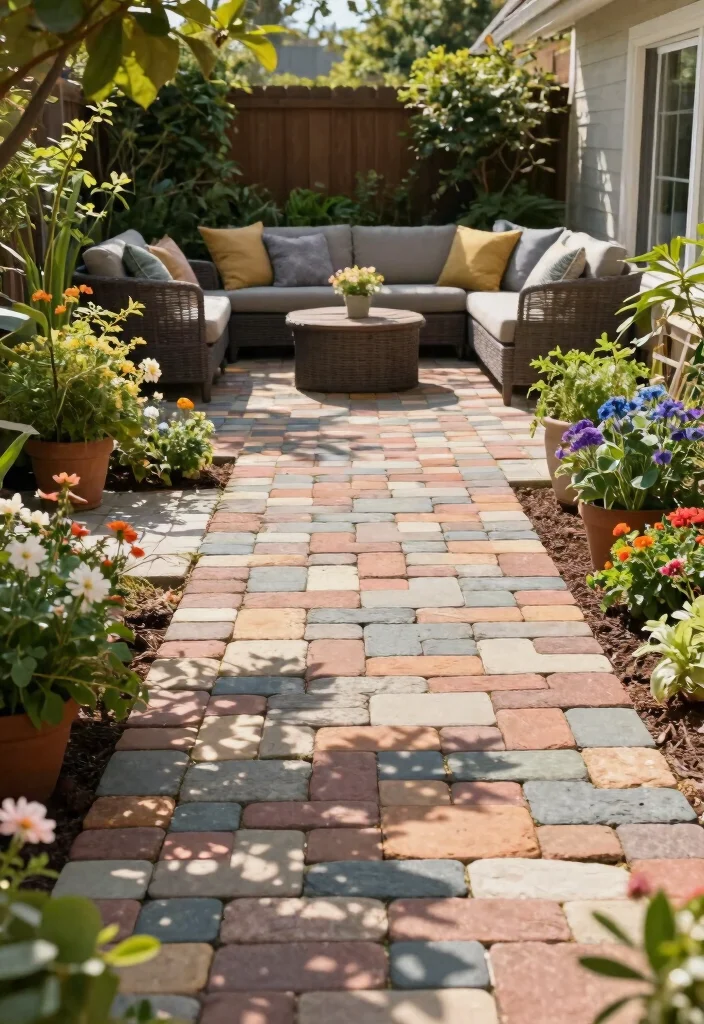
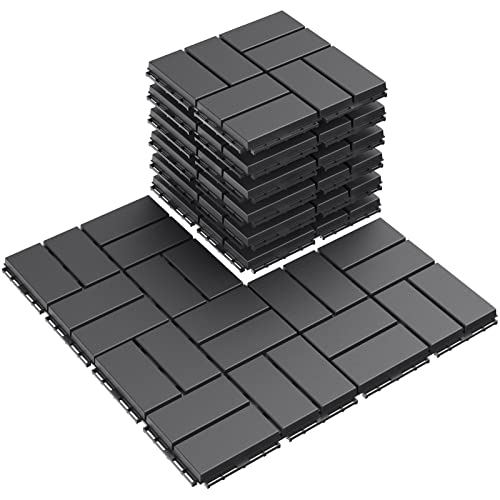
Incorporating patio pavers can help you create defined spaces in your small backyard. These versatile stones can form pathways, seating areas, or intimate dining spots, giving your yard a neat, organized appearance. By selecting pavers in different shapes and colors, you can add texture and interest to your outdoor design.
You can arrange pavers in various patterns, like herringbone or straight lines, to complement your yard’s aesthetics. Opt for lighter colors in small areas to create an illusion of space, and surround paved sections with plants or flower beds to soften the edges.
Here’s how to effectively use patio pavers:
– Choose durable options: Weather-resistant stone or concrete ensures longevity.
– Plan your layout: Sketch your design to visualize the finished look.
– Use bordering plants: Frame paved areas with flowers or low shrubs.
– Ensure proper drainage: Plan for water runoff to prevent puddles.
– Add furniture: Outdoor seating can enhance functionality.


5. Miniature Water Features: Adding Tranquility
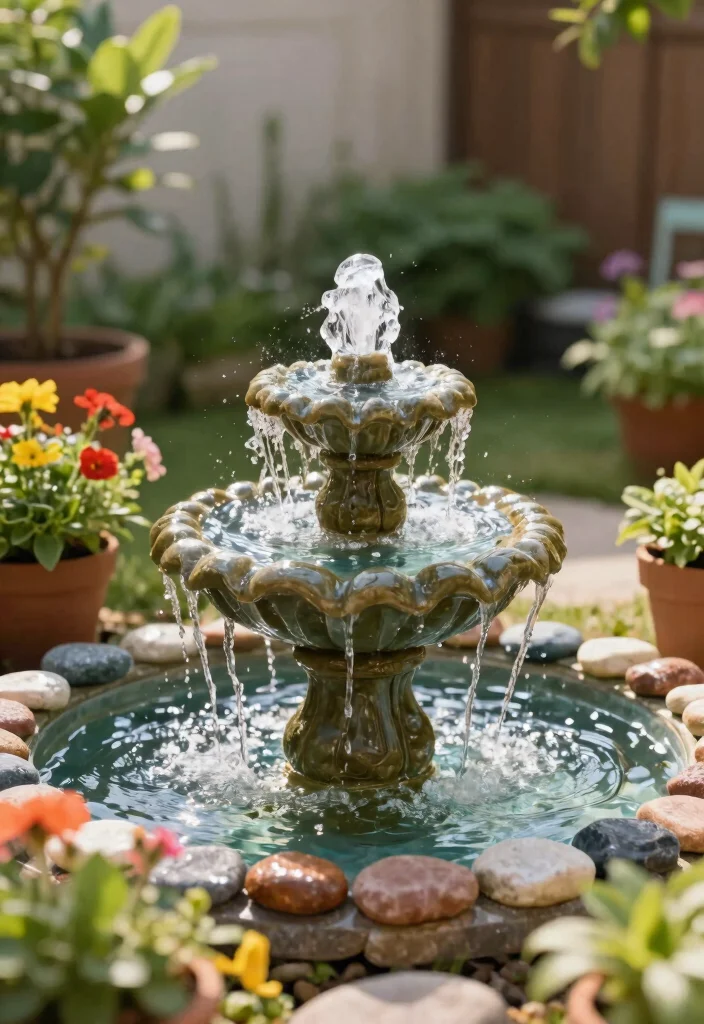
Adding a miniature water feature can instantly bring tranquility to your small backyard. Whether a small fountain or a tiny pond, the soothing sound of water creates a peaceful ambiance. These features not only enhance the beauty of your garden but also attract wildlife like birds and butterflies.
Select a water feature that fits your yard’s scale. A wall-mounted fountain can serve as an eye-catching focal point, while a mini pond surrounded by pebbles can offer a serene escape. Choose easy-to-maintain options, such as solar-powered fountains, to keep your gardening efforts simple.
Key considerations for your water feature:
– Find a quiet spot: Position it for maximum enjoyment with minimal noise.
– Add aquatic plants: Water lilies or lotuses can enhance the visual appeal.
– Use natural stones: Incorporate local materials for a cohesive look.
– Create a seating area: Enjoy the tranquility with a nearby bench.
– Maintain regularly: Clean the feature to keep it looking fresh.


6. Creative Container Gardening: Boundless Possibilities
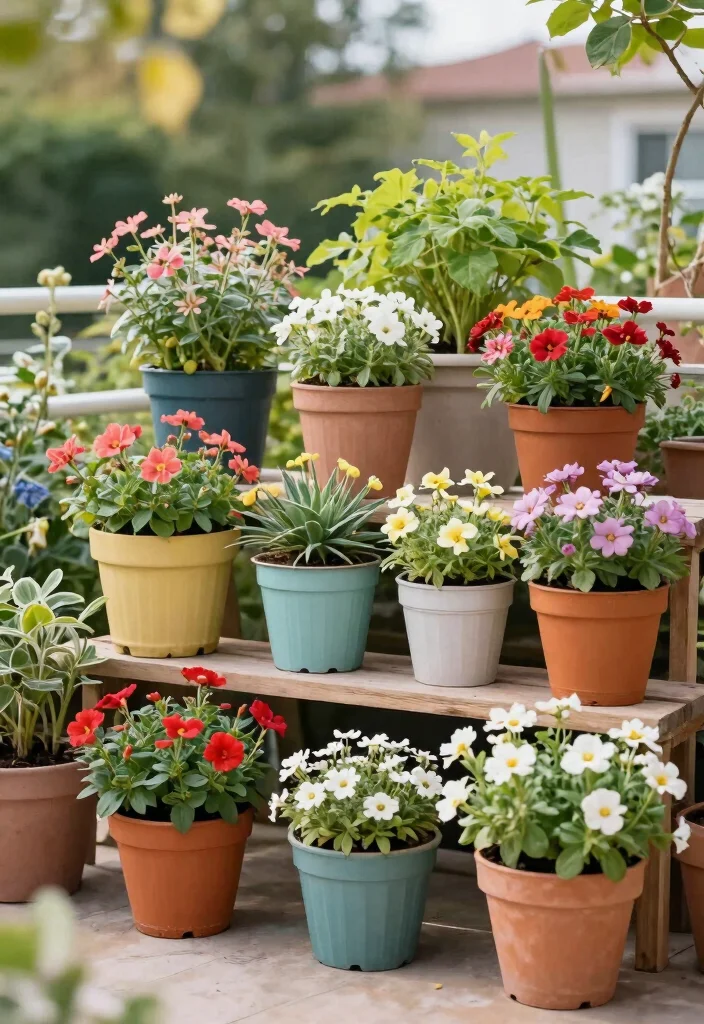
Container gardening is a fantastic option for small yards, allowing you to cultivate a diverse range of plants without needing much ground space. From vibrant flowers to fresh herbs and even compact vegetables, the possibilities are endless. You can use traditional pots or get creative with repurposed items like crates or baskets.
Arranging containers together creates a lush, mini garden effect. Be sure to choose pots with drainage holes for healthy plant growth. Mixing plant heights and colors can add visual interest, while colorful containers express your personal style.
Tips for successful container gardening:
– Use varying sizes: Combine big and small pots for depth.
– Mix materials: Use ceramic, terracotta, and wood for unique displays.
– Incorporate height: Elevate pots or hang them for vertical appeal.
– Plant both perennials and annuals: This ensures blooms all year long.
– Group by sunlight needs: Keep sun-loving plants together for optimal growth.
Did you know container gardening can add up to 40% more growing space in small yards? That means your backyard ideas for small yards can bloom without crowding ground plots. Stack pots, crates, and baskets—it’s practical, creative, and surprisingly productive.
7. Vertical Trellises: Climbing Plants for Vertical Interest
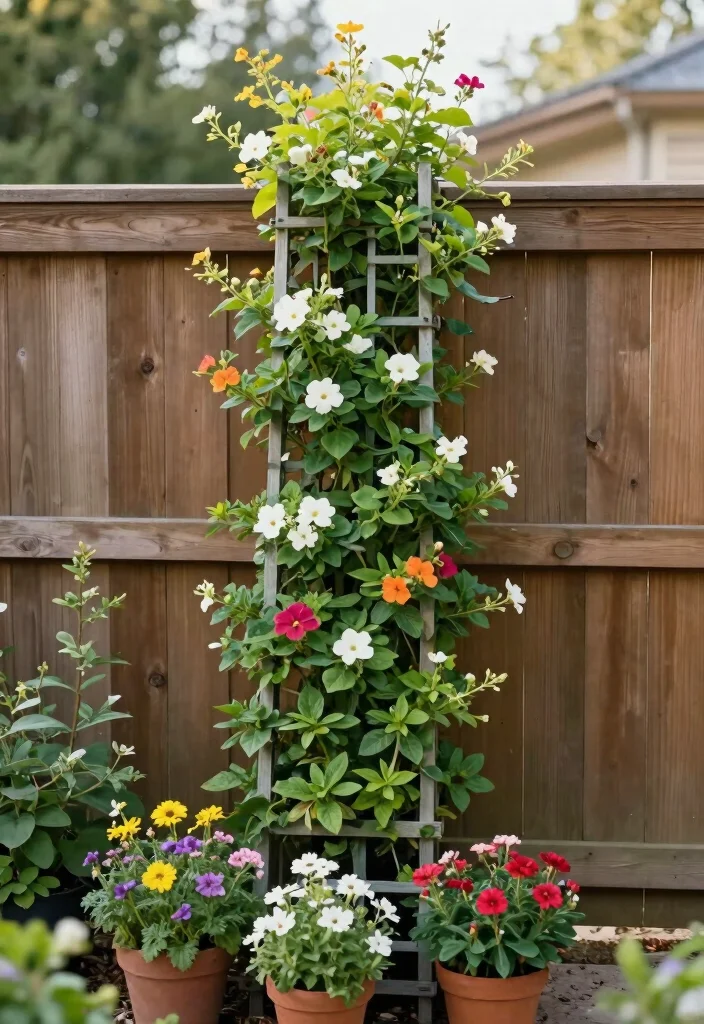
Vertical trellises are a wonderful way to introduce climbing plants into your small backyard. These structures not only provide height and visual interest but also draw the eye upward, making your space feel larger. You can grow beautiful flowering vines, such as clematis or morning glories, that will thrive on the trellis.
Position your trellis against a wall or use it as a partition for added privacy. Opt for natural materials like wood to enhance your garden’s rustic feel. Choose plants based on the sunlight available to your trellis to ensure they flourish.
Steps to integrate trellises effectively:
– Select sturdy materials: Ensure the trellis can support climbing plants.
– Experiment with designs: Arched or fan shapes can add visual flair.
– Secure plants properly: Use ties or clips to encourage upward growth.
– Add lighting: Illuminate the trellis to showcase plants at night.
– Combine with base pots: Plant complementary flowers at the base for a cohesive look.
❝Vertical trellises turn small yards into lush spaces. Grow climbing vines like clematis or morning glories and add height without crowding your footprint. A trellis against a wall boosts privacy and makes backyard ideas for small yards feel bigger!❞


8. Herb Spiral: Efficient and Beautiful
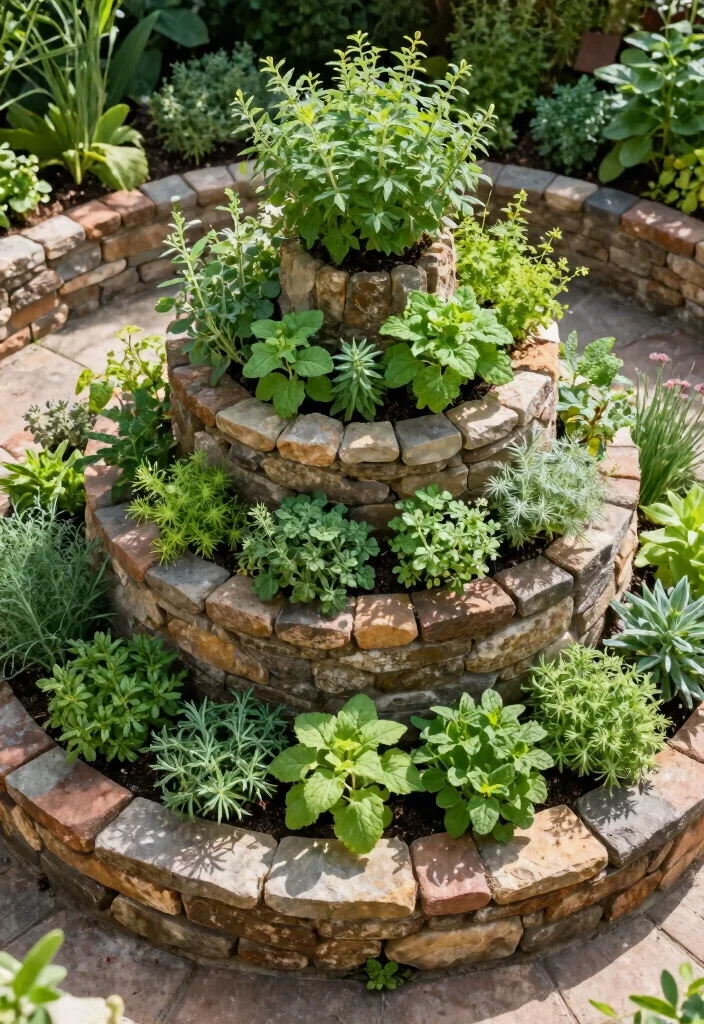
An herb spiral is a clever way to maximize vertical space while growing a variety of herbs. This spiral design creates different microclimates, making it perfect for cultivating an array of herbs. You can build it using stones or bricks, forming a spiral mound that rises in the center and gently slopes down.
This design utilizes the sun’s warmth and creates shaded areas for herbs that prefer cooler conditions. Mixing perennial herbs like thyme with annuals such as basil will keep your spiral thriving and visually appealing.
How to create a successful herb spiral:
– Collect materials: Use stones or bricks that match your garden’s style.
– Plan the layout: Ensure a stable base and gradual slope to prevent erosion.
– Choose herbs wisely: Select plants based on their sun and water requirements.
– Allow for access: Incorporate pathways for easy reaching of herbs.
– Maintain regularly: Trim herbs to encourage growth and prevent overcrowding.
9. Greenhouse in a Box: Portable Gardening
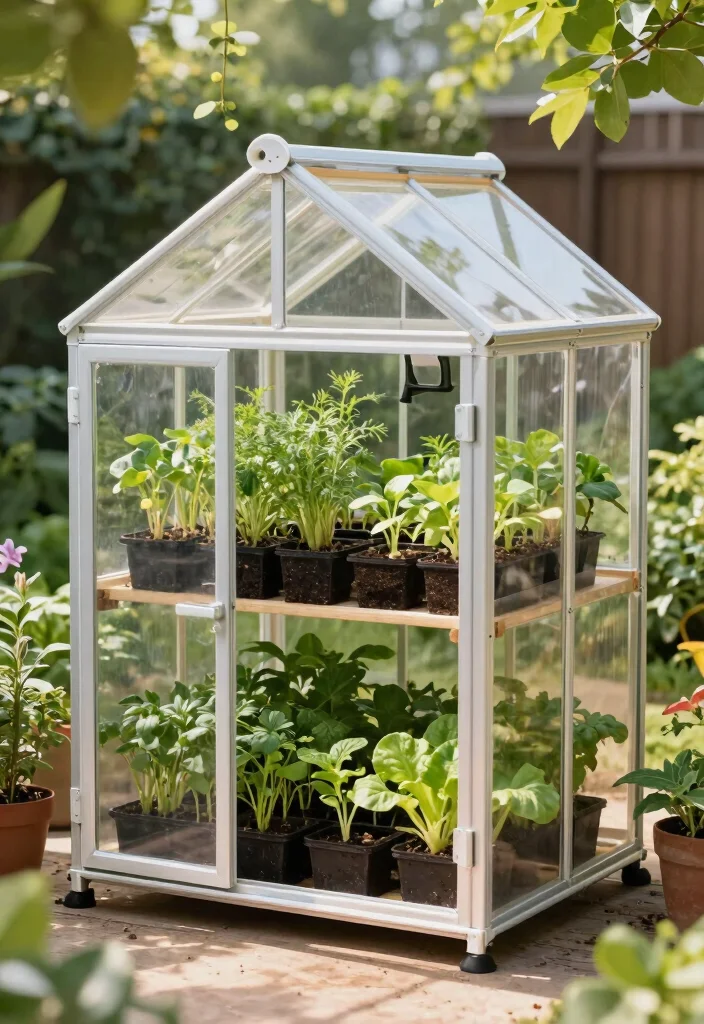
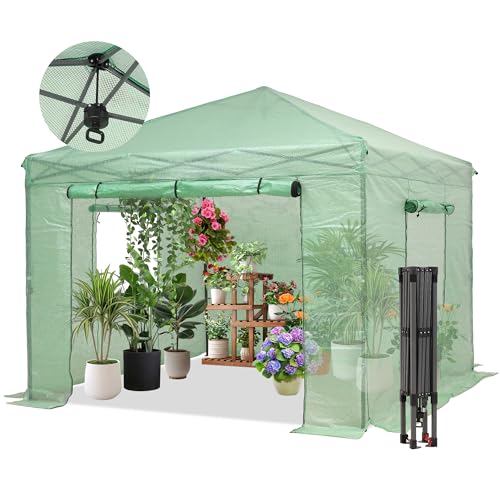
If you want to grow plants but have limited space, a portable greenhouse in a box can be a fantastic addition to your small yard. These compact structures create an ideal environment for herbs, vegetables, or flowers, especially beneficial in cooler climates.
Available in various sizes, these mini-greenhouses can fit on patios, balconies, or directly in your garden. They establish a microclimate that fosters seed germination and plant growth, providing protection from harsh weather. Consider adding shelving to maximize vertical space.
Tips for using a portable greenhouse:
– Choose lightweight materials: Look for easy-to-move options for flexibility.
– Select the right location: Ensure it gets enough sunlight while being sheltered from the wind.
– Monitor temperature: Keep track of the internal climate and adjust as needed.
– Ensure good ventilation: Open vents to avoid overheating on warm days.
– Stay organized: Use plant labels to track growth and types.


10. Garden Lighting: Illuminating Your Space
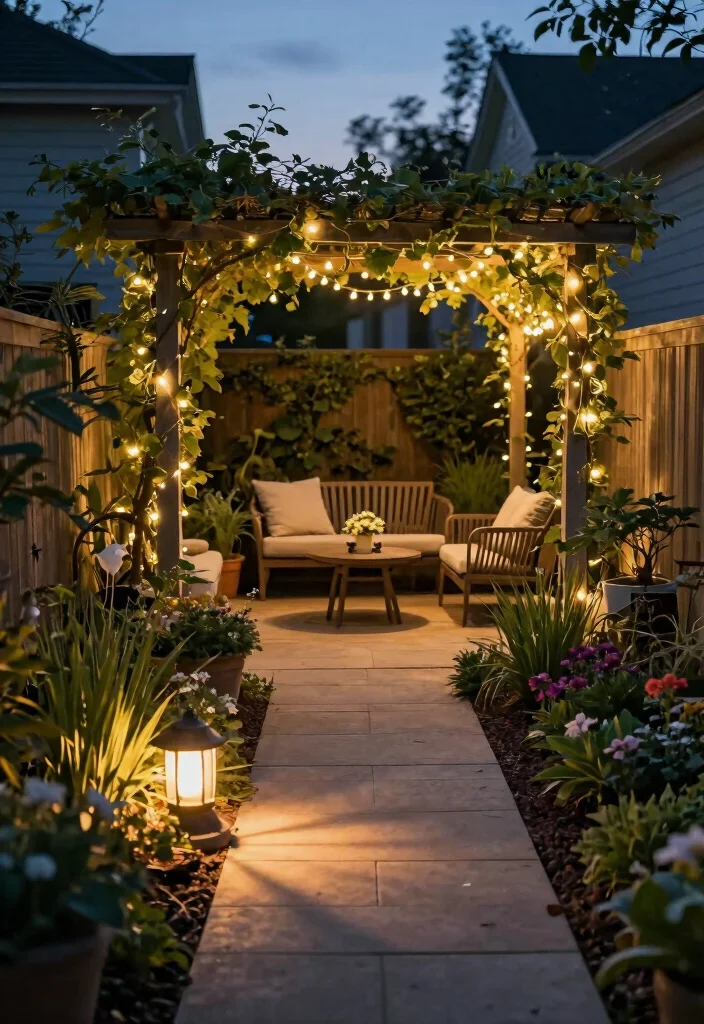
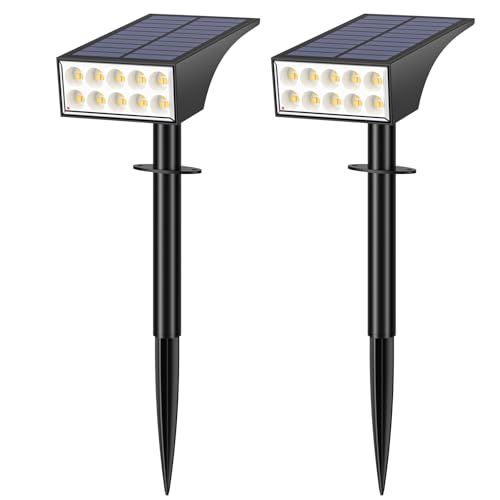
Garden lighting is crucial for transforming your small yard into a captivating evening escape. Thoughtfully placed lights can illuminate features like plants, paths, and seating areas, enhancing the ambiance of your outdoor space after dark. Soft lighting options such as string lights or lanterns can create a warm and inviting atmosphere.
Consider solar-powered lights for an eco-friendly solution, making installation easy while saving on electricity costs. Spotlights can highlight specific plants, while ground lights can gently illuminate paths. Mixing various lighting styles can add depth and character to your design.
Steps to create effective garden lighting:
– Plan your layout: Identify key areas to illuminate for safety and appeal.
– Choose warm tones: Warm white lights foster a cozy environment.
– Layer your lighting: Combine styles for a well-rounded effect.
– Use timers or smart controls: Simplify managing outdoor lighting.
– Test placements: Adjust light positions for the best results.
Fun fact: A string of 15-20 LED bulbs can light up a small yard for up to 5 hours after sunset. Solar-powered lights cut electricity use while boosting safety and ambiance. For backyard ideas for small yards, smart placement along paths and seating areas can transform the space.


11. Colorful Flower Borders: Framing Your Yard
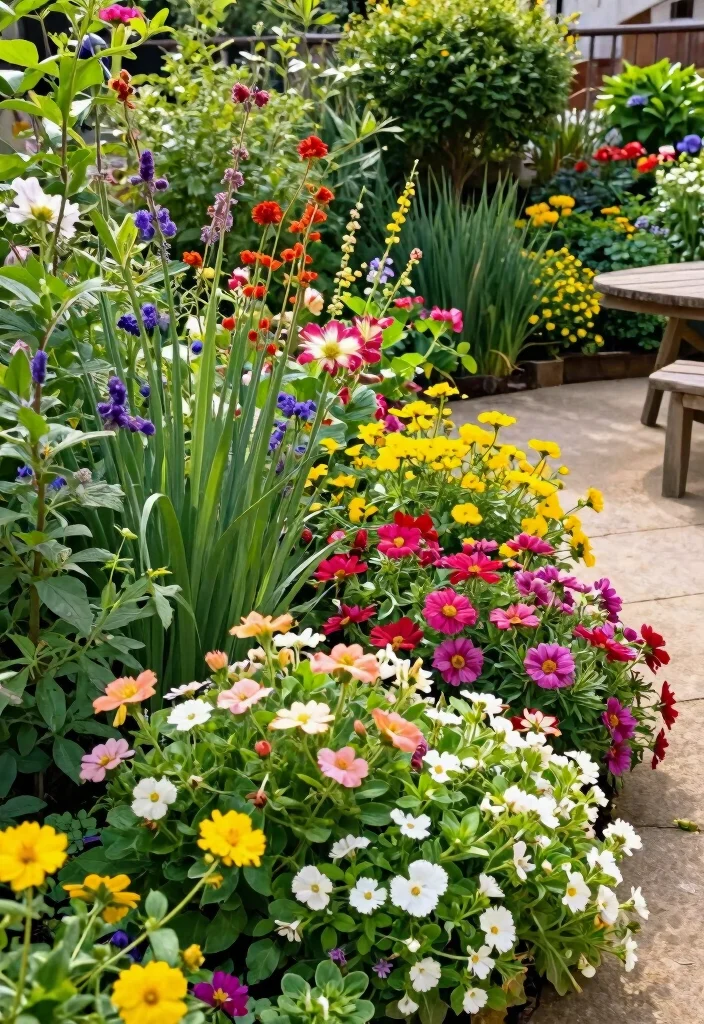
Establishing colorful flower borders can dramatically enhance the charm of your small yard. These borders serve as natural dividers, adding brightness and vibrancy while framing specific areas. Select a mix of flowering plants to ensure color throughout the seasons, using perennials for stability and annuals for seasonal excitement.
Opt for native plants that thrive in your climate, as they generally require less maintenance and support local biodiversity. Layer taller plants in the back and shorter ones in front for added depth and visual interest. Using mulch can help retain moisture and control weeds.
Here’s how to create effective flower borders:
– Define spaces: Use borders to separate areas for various purposes, like dining or relaxation.
– Mix colors and textures: Combine diverse foliage and flowers for a rich display.
– Choose plants with similar needs: Ensure compatibility for watering and sunlight.
– Plant in clusters: Grouping plants creates a more cohesive and visually appealing look.
– Add seasonal varieties: Rotate blooms to maintain freshness year-round.
12. Mini Outdoor Kitchen: Culinary Adventures
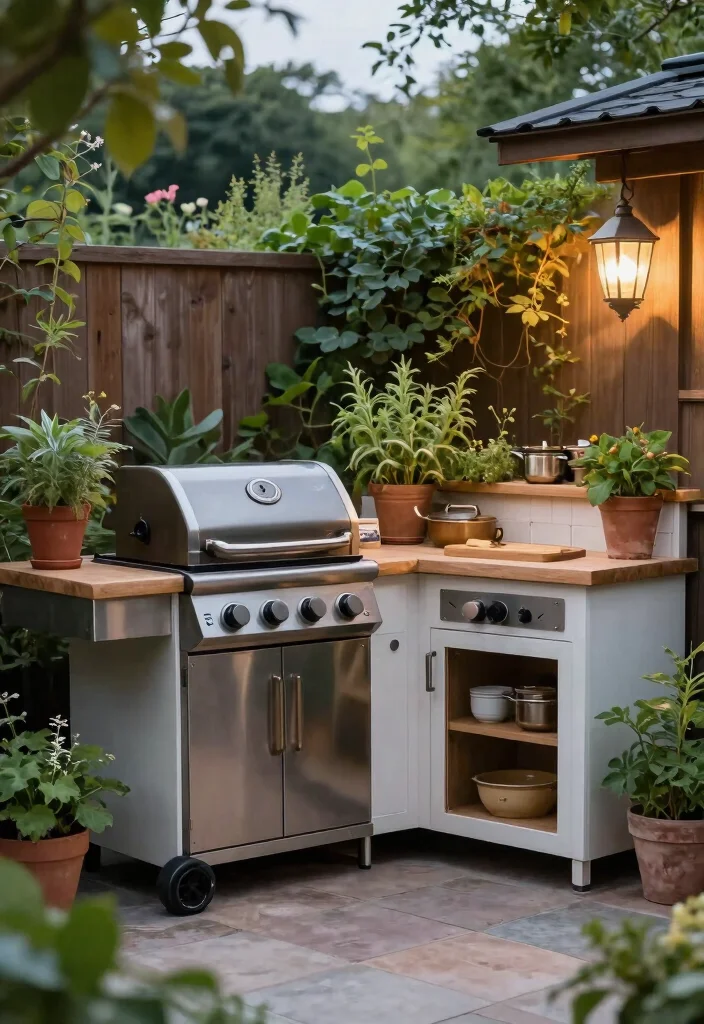
Designing a mini outdoor kitchen in your small yard can greatly enhance your outdoor living experience. Picture grilling fresh vegetables or herbs from your garden while entertaining friends and family. A compact outdoor kitchen can include a small grill, a food prep countertop, and even a bar area for drinks.
Using weatherproof materials for surfaces ensures durability. Consider placing a small herb garden nearby to elevate your culinary adventures. Including seating can foster a communal atmosphere, making your small yard a perfect gathering point.
Tips for creating a mini outdoor kitchen:
– Choose space-efficient appliances: Look for compact grills or cookers that fit your layout.
– Add a sink if possible: It simplifies food prep and cleaning.
– Incorporate storage: Designate space for utensils and cooking gear for organization.
– Use lighting wisely: Ensure the cooking area is well-lit for nighttime use.
– Plan for flow: Maintain accessibility between cooking and dining areas.


Conclusion
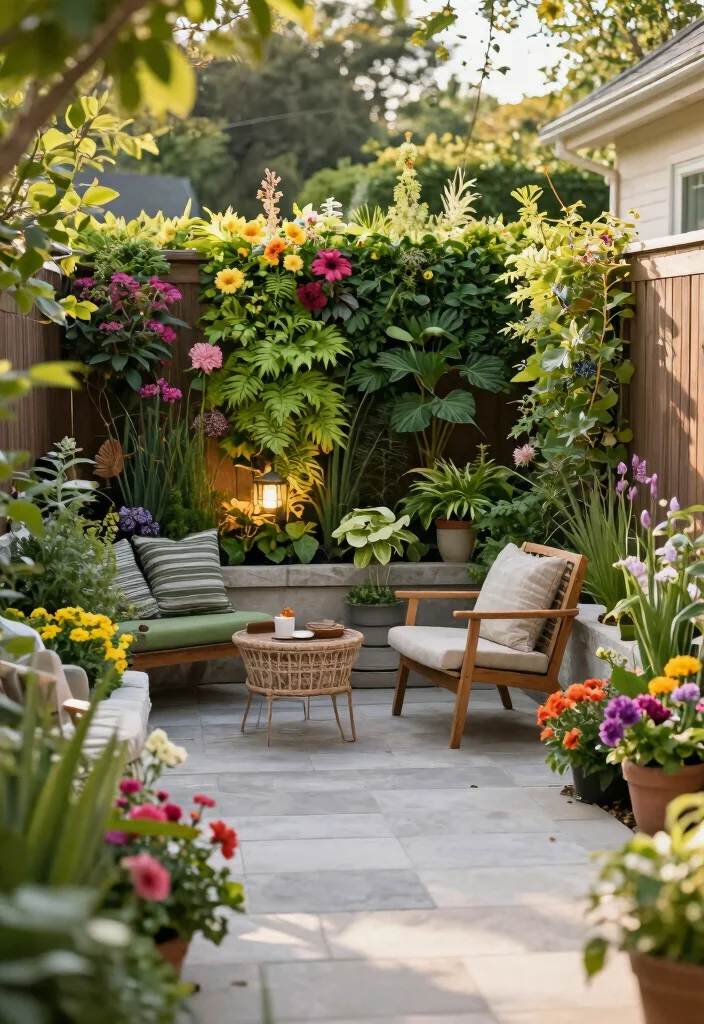
Transforming a small backyard into a livable oasis filled with greenery and charm is absolutely possible with creativity and smart design choices. From vertical gardens to cozy outdoor nooks, each idea brings unique elements that enhance your outdoor space.
By incorporating these innovative backyard ideas, you’ll create a personal retreat right outside your door, perfect for relaxation, entertaining, or simply enjoying nature. So, roll up your sleeves and get ready to bring your backyard dreams to life!
Note: We aim to provide accurate product links, but some may occasionally expire or become unavailable. If this happens, please search directly on Amazon for the product or a suitable alternative.
This post contains Amazon affiliate links, meaning we may earn a small commission if you purchase through our links, at no extra cost to you.
Frequently Asked Questions
What are the most effective vertical gardening ideas for small yards to maximize outdoor space?
Vertical gardening can dramatically increase growing space without widening your footprint. Try wall-mounted planters, hanging pockets, trellises, and railing planters to create a living wall that blends into your yard. Pick lightweight, weatherproof materials and plan for sun exposure and drainage. Add a simple drip irrigation line to keep everything hydrated with minimal effort. This setup is a great fit for backyard ideas for small yards and maximizes outdoor space while keeping the yard open and livable. Mix vertical elements with low ground covers to prevent a crowded feel, and include herbs (basil, chives), compact greens (lettuce, spinach), and small fruiting options (strawberries) for quick, rewarding harvests.
How can I design small yard landscaping that feels open and livable using vertical elements?
Think of vertical elements as bringing height without crowds on the ground. Start with a cohesive color palette and a few tall plantings or a slim trellis, then pair them with low ground covers to keep sightlines open. Use a vertical focal point like a lattice screen or a wall-mounted herb garden to draw the eye upward. Keep pathways clear and avoid too many competing textures. This approach aligns with small yard landscaping and outdoor living ideas, helping your space feel airy, organized, and welcoming.
Which plants work best for vertical gardens in limited spaces?
Choose plants that are compact, vigorous, and suited to your sun exposure. Great vertical picks include herbs such as basil, thyme, and mint, leafy greens like lettuce and spinach, and compact fruiting options such as strawberries or dwarf tomatoes. For color and texture, add trailing plants like sweet potato vine or ornamental climbers. Always match plant choices to your climate and the available light to get the most out of your vertical gardening solutions.
What are budget-friendly ways to create vertical gardening solutions in a tiny backyard?
You don’t need a big budget to go vertical. Try DIY pallet planters, repurposed gutter planters, fabric or canvas pockets, and shoe organizers mounted on fences or walls. Use inexpensive trellises or lattice panels as the backbone for climbing plants. Recycle containers with good drainage, and consider a simple drip irrigation line to keep costs down while maximizing water efficiency. These ideas are practical for small garden designs and align with maximizing outdoor space on a budget.
How do I maintain vertical gardens in small yards with limited sunlight or water?
First, assess the microclimate of each wall or fence—some spots get more sun than others. Use sun-loving plants on hot, bright walls and shade-tolerant options in dimmer spots. Water with a small drip system or soaker hose, then mulch to reduce evaporation. Regularly prune and rotate plants to prevent overcrowding, and watch for pests before they spread. With thoughtful maintenance, vertical gardens stay healthy and productive, fitting neatly into your outdoor living ideas and small yard landscaping goals.
Related Topics
backyard ideas
small yard landscaping
vertical gardening
maximizing space
outdoor living
small garden designs
easy gardening
urban gardening
DIY backyard
space-saving solutions
beginner friendly
seasonal gardening