Creating a stunning backyard is more than just a trend; it’s a way to enhance your lifestyle and reconnect with nature. I put this post together because I believe everyone deserves a beautiful outdoor space that reflects their personality and meets their needs. Whether you want to grow your own food, entertain friends, or find a peaceful retreat, the right backyard design can make all the difference.
If you love gardening, enjoy outdoor living, or are simply looking to enhance your property, this article is for you. You’ll find inspiration tailored to your vision, giving you the tools to create inviting spaces that are functional and stylish.
In this post, I’ve compiled 12 big backyard ideas that offer open and flexible designs, perfect for any lifestyle. You’ll discover tips on edible landscaping, how to set up a multipurpose outdoor kitchen, and ideas for making cozy seating areas. Each section is crafted to spark your imagination and help you visualize how you can revamp your outdoor environment.
From creating wildlife-friendly gardens to incorporating sustainable water features, these ideas will help you transform your backyard into a sanctuary. You’ll leave with practical insights that empower you to take on your backyard renovation with confidence. Let’s dive in and unlock the potential of your outdoor space together!
Key Takeaways
– Explore edible landscaping to grow fresh produce right at home, maximizing both beauty and functionality.
– Discover how to create a flexible outdoor kitchen that adapts to your cooking and entertaining needs.
– Learn to design multi-functional seating areas that encourage relaxation and gatherings.
– Incorporate wildlife-friendly gardens to support local ecosystems while enjoying nature’s beauty.
– Make informed choices with sustainable furniture options that enhance both style and environmental responsibility.
1. Edible Landscaping Heaven

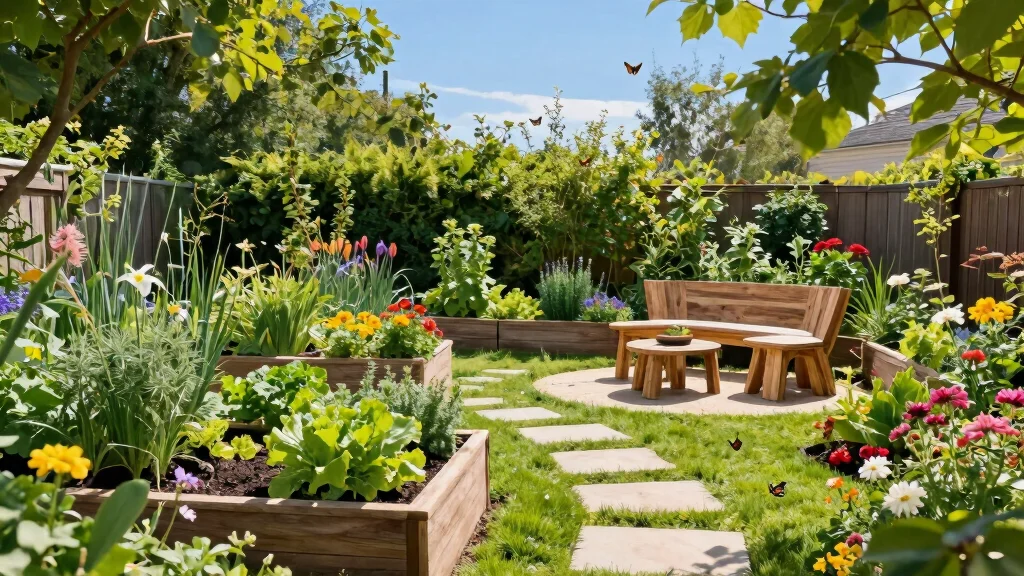
Have you ever dreamed of a backyard that’s not just pretty but also yields fresh fruits and veggies? Edible landscaping harmonizes aesthetics and practicality by weaving edible plants into your garden design. With this approach, you create a stunning outdoor space that feeds both your eyes and your appetite.
Imagine vibrant berry bushes lining your walkways or graceful fruit trees blossoming in spring, adding visual delight to your garden. You can enhance your space further by using decorative containers or raised beds for vegetables, making your garden both functional and inviting.
1. Choose a Variety of Edibles: Mix fruits, vegetables, herbs, and ornamental plants.
2. Anchor Points: Use taller plants like sunflowers or corn as focal points.
3. Color Coordination: Select plants with complementary colors for visual appeal.
This design isn’t just about food; it’s about crafting a lively environment that beckons you and your guests to explore and savor the beauty of your garden every day.
2. A Flexible Outdoor Kitchen

Are you ready to elevate your outdoor dining experience? An outdoor kitchen designed for flexibility allows you to cook, entertain, and dine under the stars. This setup expands your living space and lets you savor meals al fresco, fully embracing the great outdoors.
One essential feature of a flexible outdoor kitchen is a spacious island or counter for preparation and dining. Pair it with folding chairs that tuck away easily when not in use. Don’t forget to add a portable fire pit for warmth and ambiance during those lovely evening gatherings.
1. Mobile Grill: Use a cart-style grill for easy mobility.
2. Storage Solutions: Install a weatherproof cabinet for utensils and supplies.
3. Power Sources: Add power outlets for blenders or lights.
This setup not only simplifies cooking but also sets the stage for unforgettable moments with family and friends right in your backyard.
3. Multi-Functional Seating Areas

Do you want your backyard to adapt effortlessly to various activities? Incorporating flexible seating options allows for everything from lively barbecues to peaceful afternoons spent reading. Mix benches, hammocks, and modular seating to create an inviting atmosphere tailored to your gathering needs.
Distinct seating zones not only serve different purposes but also enhance your backyard’s visual appeal. Picture a cozy nook with comfy chairs and a coffee table perfect for reading, alongside a large area with picnic tables ideal for family dinners.
1. Use Natural Materials: Wooden or wicker furniture blends beautifully with the surroundings.
2. Incorporate Cushions: Add plush outdoor cushions for comfort.
3. Shade Solutions: Use umbrellas or pergolas to provide shade.
With these elements, your backyard can easily shift between different vibes, transforming it into the ultimate social hub.
Fact: Flexible seating can boost usable yard time by up to 40 percent, just add modular benches, hammocks, and movable chairs. In big backyard ideas, create distinct zones for reading, socializing, and grilling, so every gathering feels tailored and effortless.
4. Cozy Fire Pits

Looking for a cozy gathering spot in your backyard? A fire pit serves as a delightful centerpiece, providing warmth and a magical glow during cool evenings. Crafting a fire pit can be a fun DIY project, and it can be made simple with stones or bricks to match your space.
Surround your fire pit with comfortable seating and soft blankets for added warmth. Enhance the ambiance with string lights or lanterns, creating an inviting atmosphere perfect for roasting marshmallows or sharing stories under the stars.
1. Safety First: Ensure a safe distance from flammable structures.
2. Seating Options: Use benches or oversized cushions for comfort.
3. Patio Enhancements: Surround the fire pit with decorative stones or gravel.
With a fire pit, your backyard transforms into a magical retreat, perfect for making lasting memories.
5. Vertical Gardening for Small Spaces

Short on space but eager to garden? Vertical gardening is a brilliant solution that unlocks your backyard’s potential. This innovative technique allows you to grow flowers, herbs, and even vegetables on vertical structures like trellises and wall planters, adding depth and visual intrigue to your garden.
Create a DIY pallet garden against a fence or invest in wall-mounted planters to maximize space. Add climbing plants such as peas or cucumbers for lush greenery, while flowering vines can create breathtaking displays.
1. Choose the Right Plants: Select varieties that thrive vertically, such as tomatoes, beans, and ornamental vines.
2. Support Structures: Ensure sturdy supports to hold your plants.
3. Mix Textures: Combine different plants for an eye-catching arrangement.
With vertical gardening, even the tiniest backyard can blossom into a vibrant oasis filled with life.
Did you know vertical gardens can triple your growing space in a small yard? A simple 4×6 ft wall can yield herbs, leafy greens, and compact veggies all season. Start with trellises and wall planters; your big backyard ideas just went vertical.
6. Nature-Inspired Pathways

Want to enhance your backyard’s charm? Thoughtfully designed pathways do more than serve a functional purpose; they create an inviting atmosphere. Use natural materials like stone, gravel, or wood to craft rustic paths that guide visitors through your outdoor sanctuary.
Winding paths can lead to various garden spots or seating areas, encouraging exploration and discovery. Consider adding small accent plants or lanterns along the edges for a magical touch during the evening.
1. Create Curves: Avoid straight lines for a more organic feel.
2. Layering Materials: Mix stones with grass or plants for an interesting look.
3. Incorporate Lighting: Solar-powered lights along the pathway enhance safety and beauty.
With these thoughtfully designed pathways, your backyard transforms into a journey of discovery, inviting adventure and creating a charming atmosphere.
7. Community Garden Spaces

Looking to strengthen your community ties? Creating a shared garden space in your backyard can foster social interaction while promoting sustainable practices. Invite neighbors to take part in a vegetable or flower garden, cultivating a spirit of cooperation and collaboration.
Designate specific areas for individual plots or collective gardens and provide the necessary tools and resources to support your gardening community. Hosting regular gardening events or workshops can further strengthen these bonds.
1. Shared Responsibilities: Assign tasks to ensure everyone participates.
2. Education: Organize workshops on sustainable gardening techniques.
3. Celebration: Host a harvest party to celebrate your collective efforts.
With a community garden, your backyard evolves into a lively hub of collaboration and growth, enriching the lives of everyone involved.
Big backyard ideas shine when neighbors join a shared garden. Schedule plot days, share tools, and host monthly planting workshops. Suddenly sustainable edible landscaping becomes simple, social, and rewarding for everyone.
8. Wildlife-Friendly Gardens

Do you want to attract beneficial wildlife to your backyard? Creating a wildlife-friendly garden enhances your outdoor experience while promoting biodiversity. By planting native flora, providing water sources, and creating shelter options, you can attract birds, butterflies, and helpful insects.
Features like bird feeders, butterfly bushes, and small ponds or birdbaths can create a lively atmosphere. Using native plants fosters a rich habitat that supports local wildlife and reduces maintenance needs.
1. Native Plants: Choose plants that are local to your area for best results.
2. Provide Food: Incorporate a variety of flowers that provide nectar and seeds.
3. Natural Structures: Include logs or stones for shelter and hiding spots.
A wildlife-friendly garden not only creates a unique connection with nature but also makes your backyard a haven for you and your local wildlife.
9. Sustainable Water Features

Want to add tranquility to your backyard while being environmentally conscious? Incorporating a water feature, such as a rain garden, pond, or recirculating fountain, can enhance the beauty of your space and promote sustainability. These features not only create a serene ambiance but also support local ecosystems.
Water features attract wildlife, including birds and frogs, fostering a lively atmosphere. For example, a rain garden absorbs runoff, filtering it naturally while providing a habitat for diverse plants and creatures.
1. Choose Native Aquatic Plants: These will thrive while benefiting local wildlife.
2. Recirculating Pumps: Use energy-efficient pumps for minimal environmental impact.
3. Maintain Balance: Monitor the ecosystem to keep it healthy and thriving.
With a sustainable water feature, your backyard becomes a peaceful retreat, inviting relaxation while positively contributing to the environment.
10. Garden Art Installations

Want to add a personal touch to your garden? Art installations can transform your backyard into a unique expression of creativity. From sculptures to wind chimes, incorporating artistic elements adds charm and interest to your outdoor space. Opt for pieces made from sustainable or recycled materials to underscore your commitment to the environment.
A colorful mural on a fence or a series of whimsical garden stakes can serve as delightful focal points, sparking conversation and admiration. You might even consider showcasing local artists’ work in your garden.
1. Personal Touch: Use DIY art projects for a personal connection.
2. Theme Consistency: Ensure all pieces complement your garden’s style.
3. Interactive Art: Consider art that engages visitors, like sound installations.
With art in your garden, you create a gallery that reflects your personality and creativity while encouraging an appreciation for nature.
11. Seasonal Planting and Harvesting

Eager to keep your garden vibrant year-round? Embracing seasonal planting and harvesting ensures a continuous supply of fresh produce while keeping your garden lively with changing colors. Choose plants that thrive in different seasons for a rich and diverse landscape.
For instance, early spring can feature peas and greens, while summer brings tomatoes, squash, and melons. In the fall, consider harvesting root vegetables, and a winter garden can include hardy greens or decorative kale.
1. Plan Ahead: Map out your planting schedule for each season.
2. Companion Planting: Use compatible plants to enhance growth.
3. Rotate Crops: Change plant placements each season to maintain soil health.
With a seasonal approach, your garden becomes a dynamic space that harmonizes with nature’s cycles, providing beauty and bounty all year round.
12. Sustainable Furniture Choices

Ready to make eco-friendly choices for your outdoor space? Prioritize sustainability when selecting furniture by opting for pieces made from recycled materials, sustainably sourced wood, or upcycled options. This approach helps reduce waste and lessen your environmental footprint.
Choose durable furniture that withstands the elements, meaning fewer replacements over time. Bright cushions and outdoor rugs can add comfort and style while remaining eco-friendly. This mindful approach makes your backyard not just visually appealing but also a responsible choice for the planet.
1. Research Materials: Understand the sustainability of the materials used.
2. Mix and Match: Combine different styles for a unique look.
3. Maintenance: Choose furniture that’s easy to clean and maintain.
By prioritizing sustainability in your furniture choices, you create an outdoor space that reflects your values while providing comfort and style.
Conclusion

Your backyard can be more than just a patch of grass; it can be a thriving ecosystem that reflects your values and creativity. With these 12 big backyard ideas, you can cultivate a space that’s beautiful, functional, and sustainable. Each idea emphasizes flexibility and innovation, making your outdoor area a true extension of your home.
Feel inspired to take the plunge and create your outdoor sanctuary? Start planning today and watch your backyard transform into a vibrant space full of life and joy!
Note: We aim to provide accurate product links, but some may occasionally expire or become unavailable. If this happens, please search directly on Amazon for the product or a suitable alternative.
This post contains Amazon affiliate links, meaning we may earn a small commission if you purchase through our links, at no extra cost to you.
Frequently Asked Questions
What are some big backyard ideas for open and flexible sustainable edible landscaping?
Create open, flexible spaces that blend food growing with social areas. Start with defined zones: edible gardens, a seating area, and a circulation path to keep the space feeling airy. For big backyard ideas that work, use flexible garden layouts with modular raised beds and movable planters so you can reconfigure for entertaining or harvesting. Choose sustainable edible plants like kale, berries, herbs, and perennial vegetables, which cut down on replanting. Collect rainwater for irrigation, and compost kitchen scraps to improve soil fertility. Finally, layer textures with mulch, groundcovers, and vertical trellises to maximize production without crowding the space.
How can I achieve budget-friendly backyard renovation ideas for a big yard that still supports edible landscaping?
Start with a clear plan. Map out zones for edible beds, seating, and paths so you only buy what you truly need. For backyard renovation ideas that don’t break the bank, use modular, durable features like treated timber raised beds, second-hand furniture, and DIY trellises. Look to outdoor design inspiration that emphasizes simplicity and function. Use container gardening and vertical gardens on fences to maximize production without expanding square footage. Install a simple drip irrigation system to save water, mulch to retain moisture, and compost to feed soil. Reuse rain barrels for irrigation, and repurpose pallets or cinder blocks for inexpensive planters.
What backyard landscaping tips help a large space feel cohesive and manageable?
Start with a unifying color palette and a few repeating materials (stone, wood, metal) to tie zones together. Use backyard landscaping tips like scale-appropriate planting, layered borders, and recurring textures. Create a central focal point (a fruit tree, fire pit, or water feature) to anchor the space. Plan flexible garden layouts that allow movable seating and modular beds so the space adapts for gatherings or harvests. Mix edible border plants with ornamental choices for beauty and practicality. Look to outdoor design inspiration to keep ideas fresh.
How can I design creative outdoor spaces in a big backyard that are both functional and sustainable?
Create multiple creative outdoor spaces that blend utility and beauty: a sunny kitchen garden zone, a shaded seating nook, and a fire-friendly gathering spot. Use a pergola or shade sails to extend outdoor living and support climbing edible plants like grapes or kiwis. Add a creative outdoor space with a vertical herb wall, a small water feature for cooling, and solar-powered lighting. Draw on outdoor design inspiration from nature and local edible landscaping practices. Keep layouts flexible by using mobile seating and raised-bed modules so you can swap uses with the seasons.
What maintenance routine should I follow for a big backyard with edible plants?
Maintenance is simpler when you plan in seasons. Start with a weekly irrigation check, a monthly mulch refresh, and a quarterly soil amendment. Use a simple drip irrigation system and mulch deeply to reduce water use and weed pressure. Rotate crops yearly and interplant with herbs to deter pests. Keep a compost bin running for ongoing soil improvement. Set up a rain barrel system to collect water for dry spells. These practical steps help your big backyard ideas stay productive and tidy.
Related Topics
backyard landscaping
sustainable gardening
outdoor design
flexible layouts
edible landscaping
creative spaces
backyard renovation
garden tips
beginner friendly
seasonal planting
DIY backyard
outdoor inspiration