Plants transform any space from ordinary to extraordinary with their natural beauty and vibrant energy. Whether you’re dealing with a cramped apartment or a spacious home, incorporating greenery into your décor creates an instant connection to nature while improving air quality and boosting your mood.
We’ve discovered that decorating with plants isn’t just about placing a few pots around your room – it’s about creating living art that reflects your personality and enhances your lifestyle. From dramatic statement pieces like fiddle leaf figs to charming cascading pothos, the right plants can define spaces, add texture, and bring life to forgotten corners.
The best part? You don’t need a green thumb to create stunning plant displays that’ll make your guests wonder if you’ve hired a professional interior designer. With the right techniques and plant choices, we’ll show you how to transform your home into a lush sanctuary that’s both Instagram-worthy and genuinely livable.
Choose the Right Plants for Your Space and Lifestyle
Selecting appropriate plants for your home creates the foundation for successful plant decorating. We’ll guide you through the essential factors that determine which plants will thrive in your exact environment.
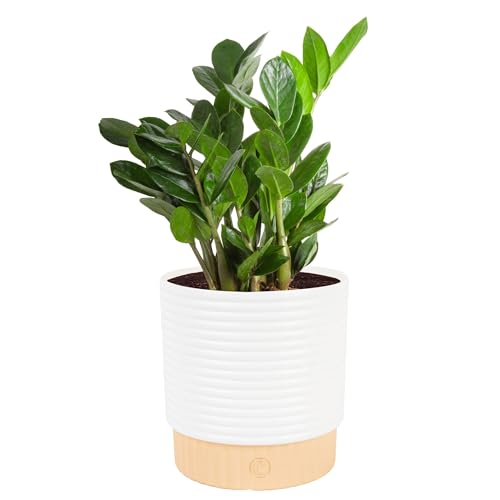
STYLISH ROOM DECOR: The architectural upright leaves of the live ZZ Plant provide a modern, sleek look that defines minimalist home decor. An excellent, stylish real plant choice for an office desk, plant shelf, or tabletop

LIVE PLANT – READY TO GROW: Receive 1 healthy ZZ Plant (Zamioculcas zamiifolia) in a 4” grower’s pot, approximately 6-12” tall. Grown in the USA, shipped live with roots wrapped for safe transport. Includes a ragnaroc Care Card. A perfect low-maintenance plant for home or office décor!

STRIKING LIVE HOUSEPLANT: The Everlasting ZZ features bold, upright architectural foliage that transitions in color as it matures, making it a dynamic, eye-catching addition to any modern home or office decor
Consider Your Light Conditions
Assess your natural light sources before choosing plants, as light requirements vary dramatically between species. South facing windows provide the brightest light for sun loving plants like succulents, fiddle leaf figs, and bird of paradise. East and west facing windows offer moderate light perfect for pothos, snake plants, and rubber trees. North facing windows provide lower light conditions ideal for ZZ plants, peace lilies, and Chinese evergreens.
Measure light intensity using a light meter app or observe how shadows appear throughout the day in each room. Bright indirect light creates soft shadows, while low light produces barely visible shadows. Direct sunlight streams through windows and creates sharp, defined shadows on nearby surfaces.
Match plant categories to your available light conditions for optimal growth and decorative success. High light plants typically require 6+ hours of direct sunlight daily, medium light plants need 4-6 hours of bright indirect light, and low light plants thrive with 2-4 hours of indirect light.
Assess Your Maintenance Commitment
Determine your watering schedule based on your lifestyle and travel frequency to select plants that match your care routine. Low maintenance plants like snake plants, ZZ plants, and pothos require watering every 2-3 weeks, making them perfect for busy schedules or frequent travelers. Medium maintenance plants such as fiddle leaf figs, monstera, and rubber plants need weekly attention and consistent care routines.
Evaluate additional care requirements including pruning, fertilizing, and repotting to understand the full commitment each plant demands. Some plants like fiddle leaf figs require regular leaf cleaning and precise watering schedules, while others like snake plants tolerate neglect and irregular care patterns.
Consider seasonal care variations as many plants need different attention levels throughout the year. Growing seasons typically require more frequent watering and fertilizing, while dormant periods need reduced care and attention.
Factor in Pet and Child Safety
Research plant toxicity levels before bringing any greenery into homes with pets or young children, as many common houseplants contain harmful compounds. Toxic plants include pothos, philodendrons, snake plants, and fiddle leaf figs, which can cause digestive issues or more serious health problems if ingested.
Choose pet safe alternatives that provide the same decorative appeal without safety concerns for curious animals and children. Safe options include spider plants, Boston ferns, parlor palms, and prayer plants, which offer beautiful foliage without toxic properties.
Position potentially harmful plants in elevated locations like high shelves, hanging planters, or rooms with restricted access to maintain your desired aesthetic while prioritizing safety. Wall mounted planters and ceiling hooks create stunning displays while keeping dangerous plants away from floor level exploration.
Create Visual Interest with Varying Heights and Sizes
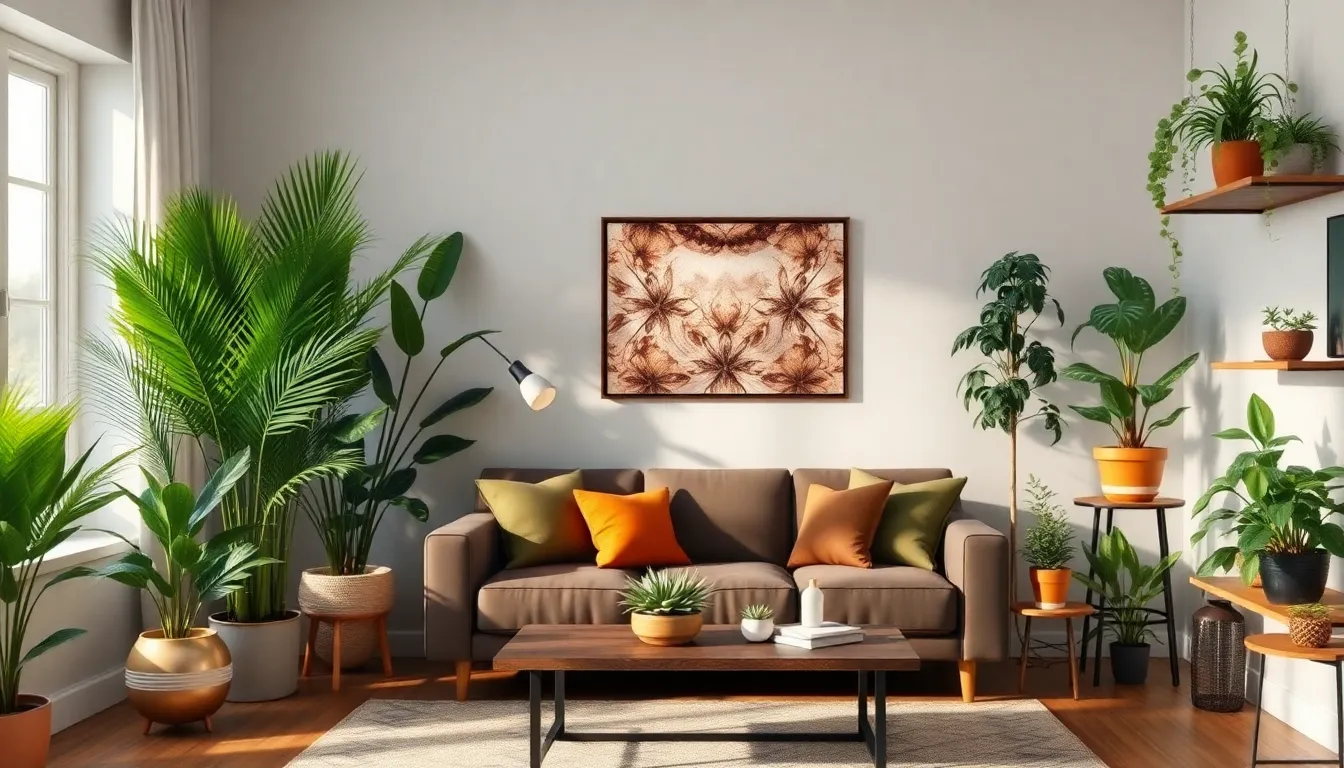
Plants of different heights help balance a room and direct the eye upward, making spaces feel larger and more ever-changing. We’ll show you how to layer your greenery for maximum visual impact.

LIVE INDOOR PLANTS: Includes 4 easy to grow pothos plants, approximately 8-10 in. tall measured from bottom of pot

【Vibrant Neon Foliage】 – Stunning bright green chartreuse leaves add bold color and instant impact to any indoor setting. Includes a required winter heat pack for safe cold-weather shipping.

SMALLER & STRONGER: SANSI LED pot clip plant light equipped with SANSI unique ceramic technology, provides more efficient power conversion. The indoor plant light provides 5W output power with 35.78 μmol/s/㎡ @6 inches growing power. Compared with the similar 10W plant light, the output power is saved by 50% and the plant growing effect increased by 25%. The LED grow light is suitable for various indoor potted plants, such as succulents, aloe vera, devil's Ivy, calibrachoa, African violet, etc.
Use Floor Plants as Statement Pieces
Large floor plants serve as focal points that transform empty corners into lush, inviting spaces. We recommend positioning striking varieties like majesty palms or dracaenas near seating areas or entryways to anchor the room’s design. These tall specimens such as snake plants, rubber plants, or fiddle figs act as vertical elements that add structure to your decor.
Floor plants occupy otherwise forgotten spaces while creating a natural vibe that draws attention upward. Their size and visual impact make them perfect conversation starters when guests enter your home. We’ve found that placing one dramatic floor plant can instantly elevate the entire room’s aesthetic.
Add Medium Plants on Plant Stands
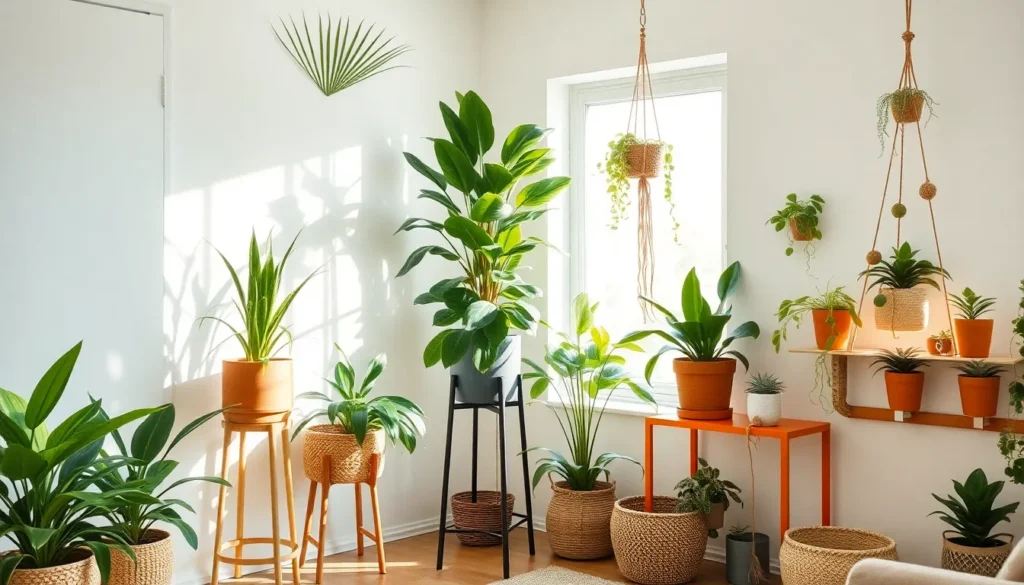
Elevating medium plants on stands breaks monotony and adds variety to your display arrangements. We use this technique to showcase plants in decorative pots more prominently while giving a sense of dimension to flat surfaces. Plant stands help create layers and depth by providing a transition between tall floor plants and smaller tabletop varieties.
This approach works exceptionally well in living rooms or open plan areas where you want to fill vertical space without crowding the floor. Medium sized plants on stands allow us to bring greenery to eye level, making the plants more noticeable and creating better visual flow throughout the space.
Incorporate Small Plants on Shelves and Tables
Small plants bring greenery into often overlooked spaces like shelves, side tables, or desks. We love using succulents, small ferns, or trailing plants to brighten up these areas and contribute to a layered look that adds freshness to any room.
Wall mounted or hanging plants offer another excellent way to add greenery without using floor or table space, especially in smaller rooms or pet friendly homes. These compact varieties help us create visual interest at different levels while maximizing our decorating potential in tight spaces.
Master the Art of Plant Grouping and Clustering
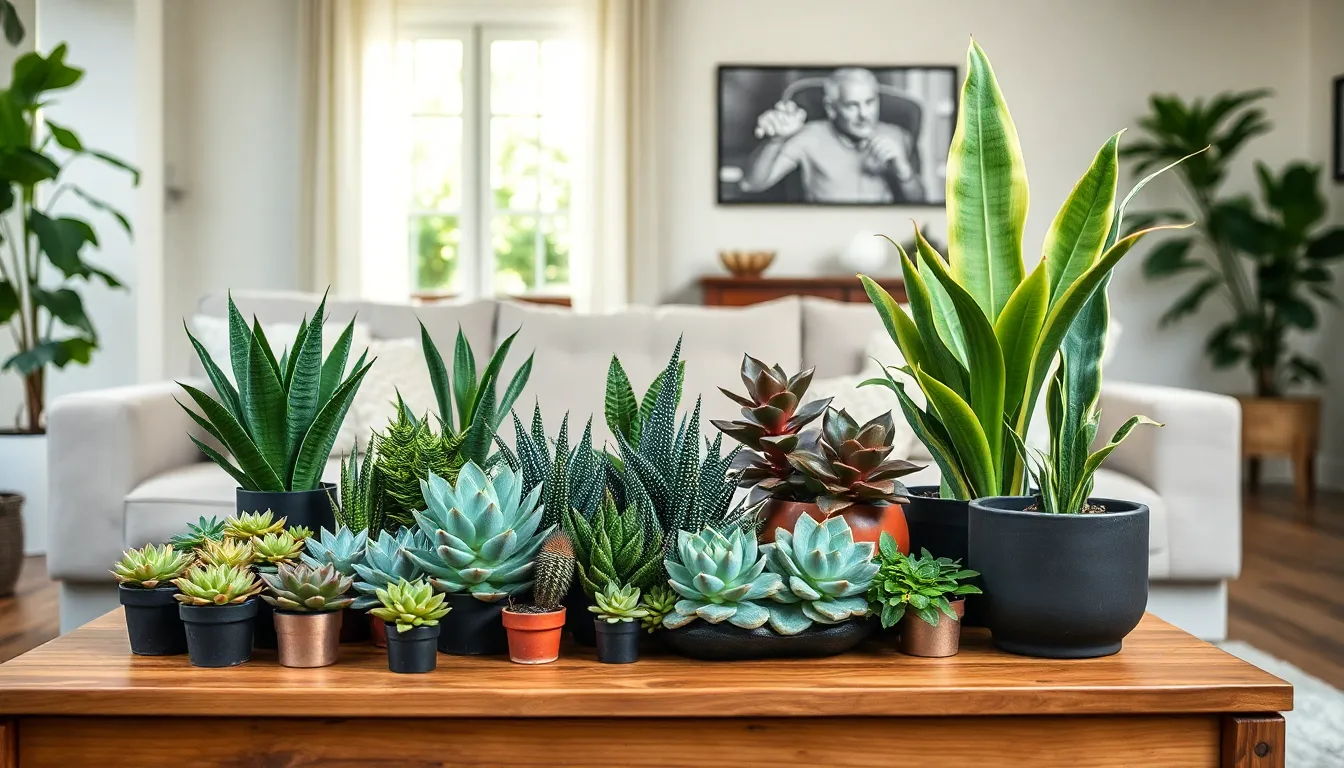
Grouping plants of similar styles or pot colors together creates a cohesive display that feels intentional and harmonious. Clustering plants also helps to amplify their visual impact and makes decorating easier compared to scattering individual plants randomly around a room.

✅ Planter Included - Our Fiddle Leaf Fig tree comes with a 7 inch White Planter ,save extra purchase of planter.The artificial Fiddle Leaf Fig tree is pre-assembled in a sturdy plastic planter for easy placement and care.

【Exquisite and Quality Planter Included】Realead artificial fig tree come with 8.3 inch tall planter, which has been meticulously designed and sized to seamlessly complement our faux fig tree. It is not only very sturdy, offering an ideal balance of aesthetics and functionality. You don't need spend extra time and money on it

STYLISH LIVE PLANT: Bring home a beautiful Fiddle Leaf Fig live plant for a tropical feel. Ficus lyrata houseplants are lush and green, dramatically improving indoor room decor aesthetic and bringing a focal point to any living room, office, and bedroom
Follow the Rule of Odd Numbers
Using an odd number of plants (such as 3, 5, or 7) when grouping creates a more ever-changing and natural arrangement. Odd numbered clusters are generally more visually interesting and balanced than even numbered ones, making your plant displays feel more organic and pleasing to the eye.
Consider grouping three small succulents on a coffee table or arranging five plants of varying heights on a plant stand. Seven plants can work beautifully in larger spaces like living rooms or entryways where you’ve got more room to spread out your arrangement.
Start with groups of three if you’re new to plant clustering, as this number provides enough variety without overwhelming the space. Expand to larger odd numbered groupings as you become more comfortable with the arrangement process.
Mix Different Textures and Leaf Shapes
Combining plants with various foliage colors, patterns, textures, and leaf shapes adds contrast and richness to your decoration. Pairing broad, smooth leaves with fine, textured ones makes the display more captivating and visually appealing.
Think about contrasting a glossy rubber plant with a fuzzy African violet or positioning a spiky snake plant next to a trailing pothos. These combinations create visual tension that draws attention and keeps viewers interested in your plant arrangements.
Incorporate plants with different growth patterns to enhance the textural variety. Upright plants like dracaenas work well with cascading varieties such as string of pearls or ivy, while bushy plants like ferns provide a middle ground between these extremes.
Create Depth with Layered Arrangements
Layer plants by placing taller ones in the back and shorter ones in the front to add depth and dimension to your display. You can also use hanging or wall mounted plants to use vertical space and create layered greenery that draws the eye upward throughout your room.
Position your tallest statement plants against walls or in corners, then arrange medium height plants on stands or tables in front of them. Fill in with smaller plants on lower surfaces to create a cascading effect that guides the eye naturally through your arrangement.
Hanging houseplants can brighten dark corners and save shelf or floor space, especially in pet friendly homes where floor plants may be unsafe. Wall mounted plants serve as attractive focal points and add freshness, particularly in modern interiors where they counterbalance sterility and create living art installations.
Select Stylish Planters That Match Your Decor
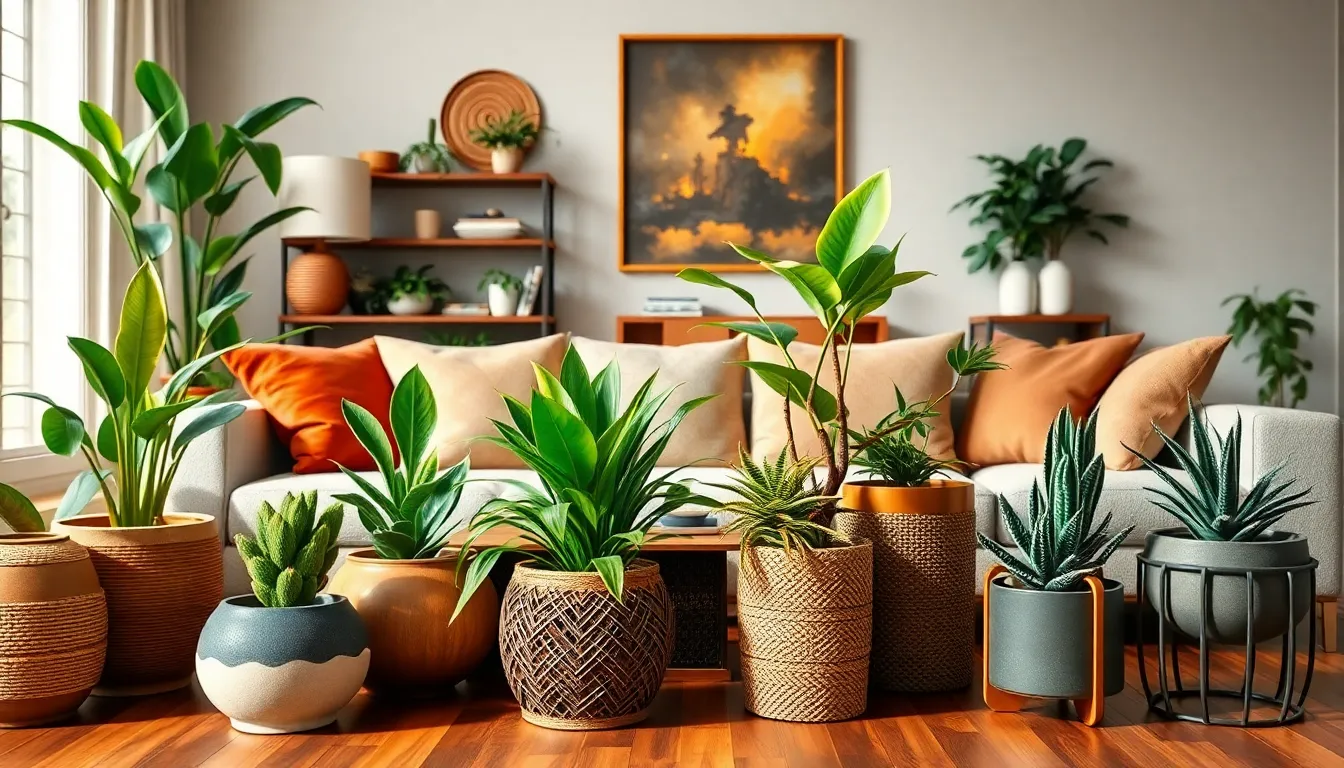
Choosing planters that complement your room’s aesthetic creates a seamless integration between your plants and existing design elements. We’ll explore how decorative planters can elevate your plant displays while improving your overall decor.

Made for Monstera Plants – Formulated to support healthy growth in monstera and tropical houseplants.

Miracle-Gro Indoor Plant Food for Tropicals contains nutrients for lush, green foliage in indoor tropical plants
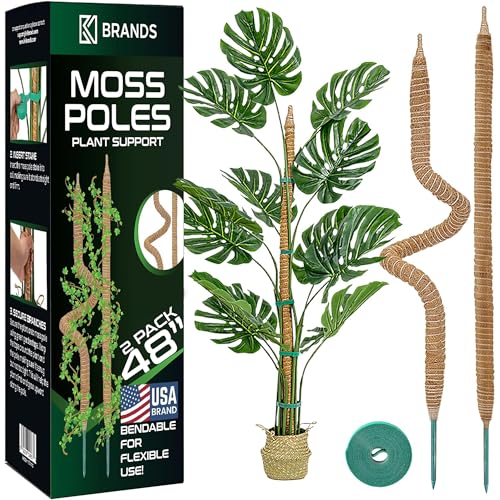
Sturdy and Easy to Use: Crafted from premium, durable materials, our 2-pack of 48-inch moss poles empowers your climbing plants with reliable support while ensuring hassle-free installation
Coordinate Colors with Your Existing Palette
Match your planter colors with your current room palette to achieve a cohesive, polished look throughout your space. Neutral-toned planters blend beautifully in minimalist settings, creating a calming, unified appearance that doesn’t compete with other design elements. Bright or patterned pots work perfectly when you want to add strategic pops of color to complement your existing color scheme.
Consider your room’s dominant colors when selecting planters—if you have cool blues and grays, white or gray planters will maintain that serene atmosphere. Warm spaces with earth tones benefit from terracotta, warm wood, or cream-colored containers that enhance the cozy feeling. Bold accent colors in your throw pillows or artwork can be echoed in your planter choices to create intentional design connections.
Mix Materials for Added Texture
Using planters made from different materials adds tactile interest and visual dimension to your plant displays. Ceramic planters offer smooth, refined surfaces that work well in modern spaces, while woven baskets bring natural texture and warmth to any room. Metal containers provide industrial appeal and durability, making them perfect for contemporary or minimalist settings.
Wood planters introduce organic warmth and pair beautifully with both rustic and Scandinavian design styles. Combining these materials prevents monotony and creates ever-changing visual layers—imagine pairing a sleek ceramic pot with a rustic woven basket for an eclectic yet harmonious display. This approach enhances the overall visual appeal while adding personality to your plant arrangements.
Consider Scale and Proportion
Balance your plant and planter sizes with your room’s scale and furniture proportions for optimal visual harmony. Large plants like snake plants, rubber plants, or fiddle leaf figs in substantial planters create impressive vertical elements that draw the eye upward and make rooms feel more expansive. These statement pieces work particularly well in corners or beside furniture that matches their visual weight.
Smaller plants and succulents thrive in proportionally sized containers on shelves, tabletops, or as hanging displays that save floor space while adding decorative layers. Wall-mounted planters create fresh focal points without consuming valuable floor area, making them ideal for modern interiors seeking green vibrancy. We recommend mixing various plant and planter sizes to create visual dimension while ensuring each piece feels appropriately scaled for its intended location.
Utilize Vertical Space with Hanging and Wall-Mounted Plants
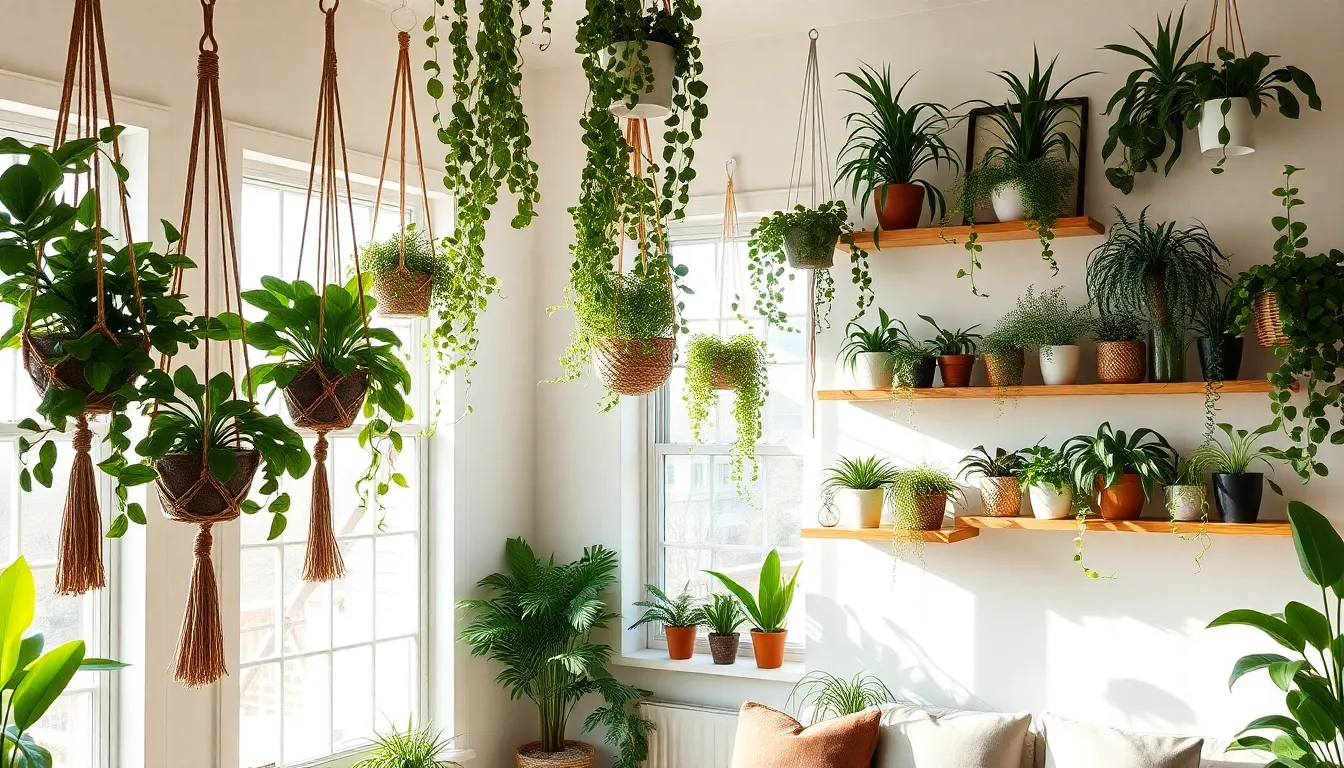
Building on our plant grouping and planter selection strategies, we can now explore how vertical spaces transform any room into a lush sanctuary. Vertical plant displays maximize greenery without sacrificing precious floor space.

Highly Realistic Design - Crafted with meticulous attention to detail, this artificial Sansevieria Snake Plant mimics the natural texture and vibrant green hues of a real plant. Its lifelike appearance adds a touch of freshness to any space, making it a perfect choice for those who want the beauty of greenery without the upkeep
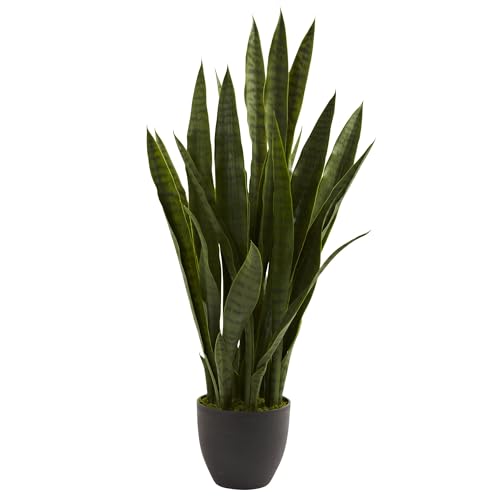
HOME DECOR ACCENT: A beautiful lifelike plant perfect to accent any room or space for year-round greenery. Some plants simply exude class, and that's exactly the case with this wonderful Sansevieria plant. Standing nearly three feet in height, the lush green leaves point skyward, while the included decorative black planter gives it a stout base. It's ideal for both home and office decorating, and will stay looking fresh for years, with nary a drop of water.
Lovely Rustic Wood Snake Room Decors: the 2 pieces floral snake wall decors are available in 2 colors, light natural and black, and the natural and mysterious rustic decors are ideal for a bohemian witch's house
Install Floating Shelves for Plant Displays
Floating shelves provide versatile areas to showcase small to medium-sized plants at different heights throughout your space. We recommend positioning these shelves near windows or light sources to help your plants thrive while creating stunning visual elevation. Clustering plants on floating shelves allows us to create ever-changing displays that draw the eye upward and make rooms feel larger.
Strategic shelf placement works particularly well in corners and along walls where floor space is limited. We can layer multiple shelves at varying heights to create a cascading green effect that adds depth and dimension to any room.
Add Macrame Hangers for Bohemian Style
Macrame hangers bring handcrafted texture and bohemian charm to our plant displays through their intricate knotted rope or cord designs. These hanging planters complement lush greenery perfectly while creating an inviting, relaxed atmosphere that enhances our home’s aesthetic appeal.
Trailing plants like pothos or philodendrons work exceptionally well in macrame hangers, allowing their vines to cascade naturally for maximum visual impact. We can suspend these stylish hangers from ceiling hooks or wall brackets to add greenery at eye level without using floor space.
Create Living Walls with Mounted Planters
Living walls transform entire wall surfaces into vibrant focal points by mounting multiple planters in grid or artistic formations. This technique maximizes our vertical planting area while creating stunning green displays that become conversation pieces in any room.
We achieve the most visual interest by selecting plants with different leaf shapes and colors, such as pothos, philodendrons, and spider plants that thrive in these enclosed environments. Wall-mounted planters at various heights create eye-catching displays that make full use of vertical walls and corners where traditional plant placement might not work.
Incorporate Plants into Different Rooms Strategically
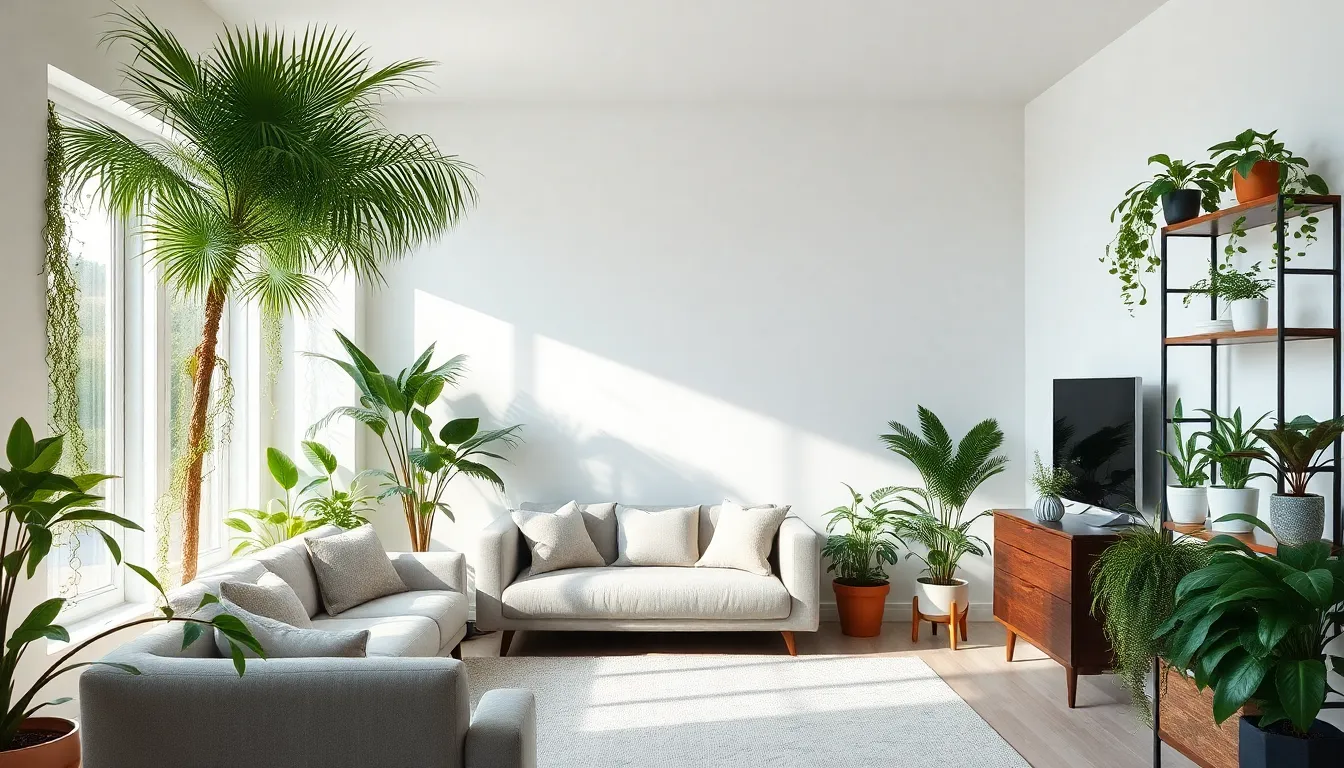
We’ll maximize the impact of our plant décor by matching species to each room’s unique environment and function. Strategic room placement transforms living spaces into healthier, more inviting environments.

Zamioculcas is genus of flowering plants in the family Araceae, containing the single species Zamioculcas zamiifolia.

SLEEK, STYLISH ROOM DÉCOR: The architectural upright leaves of a real ZZ Plant provide a modern, sleek look that defines minimalist home decor. An excellent, stylish live plant choice for an office desk, plant shelf, or tabletop

Transform Your Living Room into a Green Oasis
Larger plants like Areca Palms serve dual purposes in living rooms by adding lush greenery while filtering indoor air pollutants like formaldehyde. Corner placement creates stunning focal points that draw the eye and transform empty spaces into dramatic design elements. Statement plants positioned beside furniture establish visual anchors that ground seating arrangements and enhance room flow.
Trailing plants on shelves or in hanging baskets soften harsh architectural lines and add organic movement to structured spaces. Mixed varieties with different leaf textures and heights create dimensional displays that prevent monotony. Combine glossy broad leaves with delicate fronds to establish visual contrast that keeps living rooms captivating and ever-changing.
Add Life to Bedrooms with Air-Purifying Plants
Bedroom plant selection focuses on species that enhance sleep quality through nighttime air purification. Aloe Vera produces oxygen at night while absorbing harmful chemicals such as formaldehyde and benzene. English Ivy elegantly drapes from shelves or trains on trellises while actively cleaning air pollutants throughout rest periods.
Boston Fern improves humidity levels and cleans the air, making bedrooms more comfortable for restful sleep. Proper soil moisture and bright, indirect light placement ensure these plants deliver maximum air quality benefits. Position plants strategically near windows or on nightstands where they’ll receive adequate light without disrupting sleep patterns.
Create a Spa-Like Bathroom with Humidity-Loving Plants
Bathroom environments naturally support humidity loving plants that thrive in moist conditions typical of these spaces. Boston Fern, Bromeliads, and tropical palms tolerate and flourish in steamy bathroom atmospheres that would stress other plant varieties. Small potted plants on shelves or window sills add instant freshness while maximizing limited counter space.
Hanging baskets or wall mounted installations use vertical space effectively in compact bathrooms. Moisture rich bathroom air keeps these plants healthy and vibrant without additional humidity requirements. This natural compatibility creates calming, spa like atmospheres that transform daily routines into rejuvenating experiences.
Use Plants as Natural Room Dividers and Focal Points
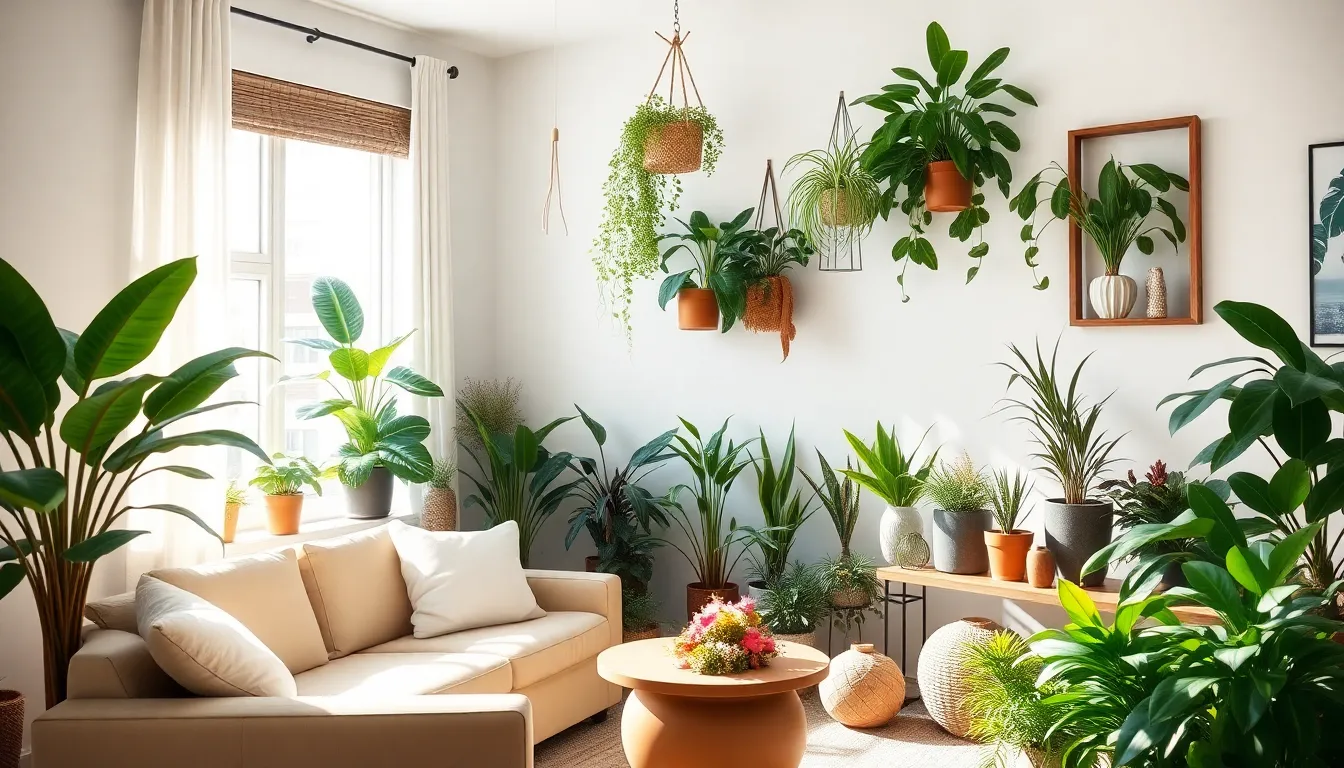
Plants offer an elegant solution for dividing open spaces without the commitment of permanent walls. Clustering medium to tall plants together creates natural partitions that breathe life into any room while maintaining an open, airy feel.
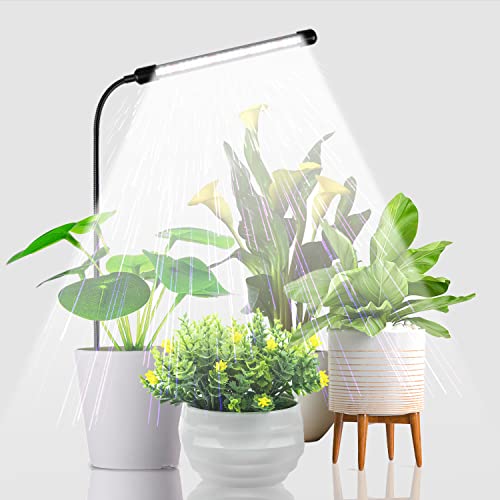
6000K Sunlight Full Spectrum - With 40pcs White & 8pcs Red LED, just like natural daylight, professionally designed for flowers, herbs, peppermint, succulents, seed starting, or any type of locations (hanging, trellis, floor, potted, bonsai plants).
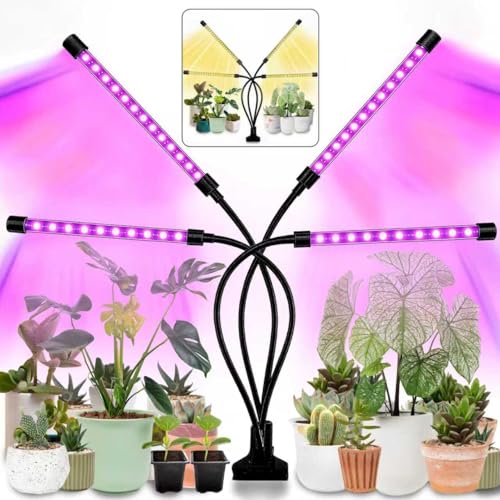
🌻Efficient LED Combination: This LED lamp has grow lights made up of 80 efficient growing LEDs ( 32 red lights, 12 blue lights,20 yellow lights and 16 white lights). It meets the conditions of plant growth without sunlight. 1--Full Spectrum(380nm-800nm): Suitable for all plants to root and sprout. 2--Red(660nm)+BLUE(460nm) Spectrum: for blooming and fruits. 3--Red+Blue+Full Spectrum: A mix of Red+Blue+Warm White is best to fuel the growth of your plants.

LIVE PLANT SIZE: Comes in a 6-inch grower pot with potential growth height up to 12-15 inches, perfect for indoor spaces
Create Privacy with Tall Plant Screens
Tall plants naturally draw the eye upward while providing effective privacy barriers. Snake plants, rubber plants, and corn plants (Dracaena) excel at creating vertical screens that make rooms feel larger and more balanced. Fiddle leaf figs add dramatic architectural presence with their broad leaves, while majesty palms bring tropical elegance to any divider arrangement.
Arranging these tall specimens in matching pots along room edges creates cohesive privacy barriers. Positioning them strategically near windows or open areas screens off private zones without blocking natural light flow. Multiple plants of varying heights within the same species family maintain visual consistency while adding organic texture to your space.
Design Eye-Catching Corner Displays
Corner spaces transform into stunning focal points when we layer plants of different heights and foliage types. Placing tall plants like dracaenas or rubber trees in the back creates a dramatic backdrop for shorter specimens positioned in front. This layering technique adds dimensional depth while softening harsh architectural angles.
Mixing textures and leaf shapes creates visual interest that draws attention to previously overlooked corners. Broad-leafed plants paired with spiky or trailing varieties establish ever-changing contrast that keeps the eye engaged. Decorative planters and elevated stands enhance these corner gardens while adding stylistic elements that complement your existing décor.
Frame Doorways and Windows with Greenery
Plants beautifully soften architectural transitions while adding welcoming color contrast to entry points. Hanging varieties near windows take advantage of natural light sources while creating lush, cascading displays that draw attention upward. Wall-mounted options flanking doorways establish vibrant frames that highlight these important transition areas.
Window sill arrangements combine practical growing conditions with decorative appeal. Plants positioned here receive optimal light exposure while creating living curtains that provide gentle privacy screening. Strategic placement of trailing plants like pothos or spider plants near doorways adds fresh, organic movement that welcomes guests with natural beauty.
Maintain Your Plant Decor for Long-Term Success
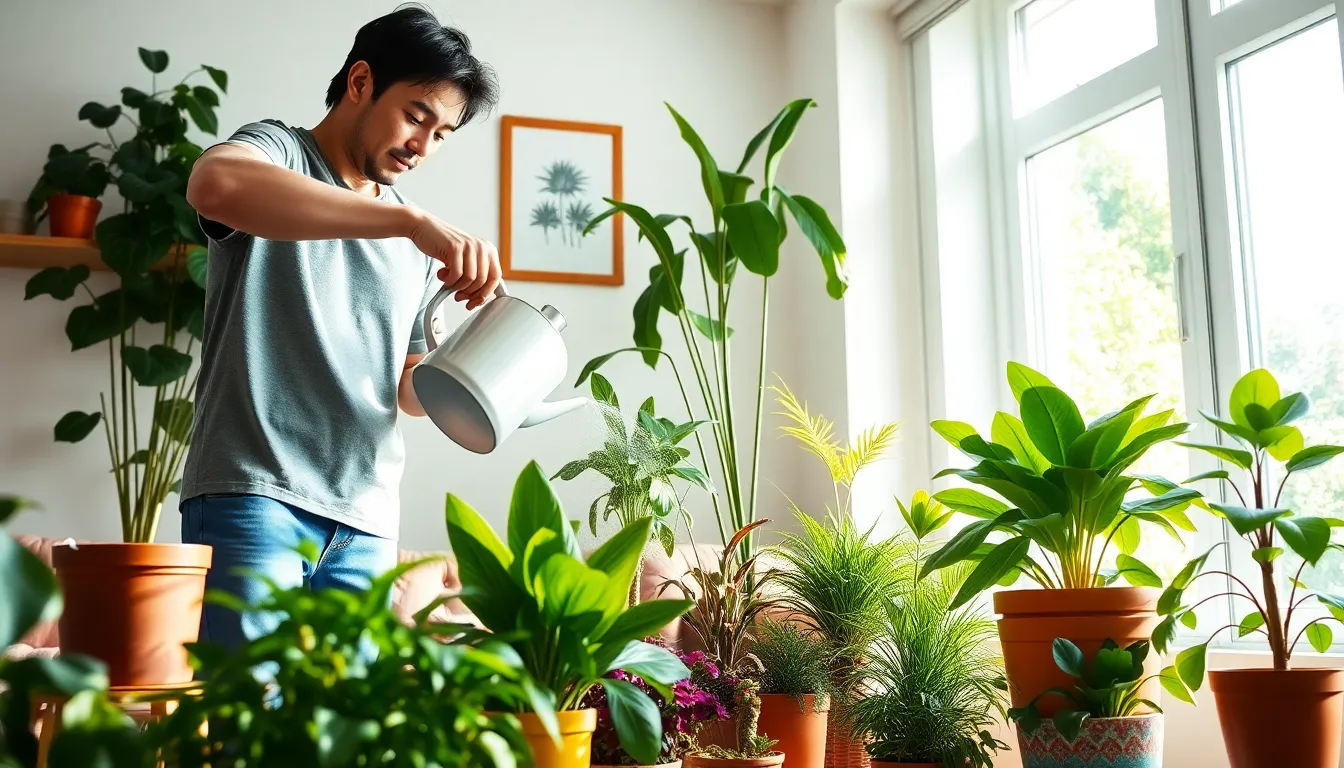
Creating beautiful plant displays is just the beginning. Success comes from consistent care that keeps your green décor thriving and looking its best year-round.

【CRAZY REALISTIC & BUSHY】Stop guessing if this artificial fiddle leaf fig tree is real—your guests definitely will. We designed this 5ft fake plants with a unique 3 trunks setup and massive, heart-shaped leaves that rock a natural vein texture. It brings the lush beauty of nature indoors without the hassle.
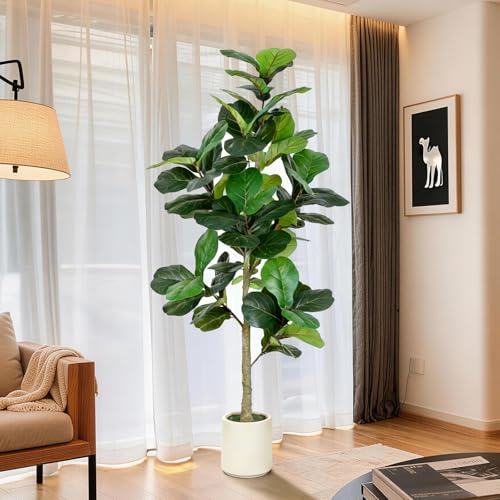
✅ Planter Included - Our Fiddle Leaf Fig tree comes with a 7 inch White Planter ,save extra purchase of planter.The artificial Fiddle Leaf Fig tree is pre-assembled in a sturdy plastic planter for easy placement and care.

DRAMATIC ROOM DÉCOR UPGRADE: The large, broad leaves of the iconic live Fiddle Leaf Fig Tree make it a must-have piece of modern home decor. Perfect for a bright living room, dining room, or office room focal point
Establish a Consistent Watering Schedule
Watering schedules prevent both overwatering and drought stress that can damage your carefully curated plant displays. Different plant species require varying amounts of water, so we recommend creating a personalized schedule based on each plant’s exact needs. Most houseplants thrive with weekly watering, but succulents may only need water every two weeks, while tropical plants like Boston ferns might require more frequent attention.
Creating a watering routine helps maintain the health and appearance of your plant décor. We suggest checking soil moisture by inserting your finger about an inch deep into the soil. Dry soil indicates it’s time to water, while moist soil means you can wait another day or two. Overwatering is one of the most common causes of plant failure, so establishing this consistent approach protects your investment in beautiful plant displays.
Rotate Plants for Even Growth
Rotating your plants regularly ensures even exposure to sunlight and prevents lopsided growth. Plants naturally grow toward their light source, which can create uneven, asymmetrical shapes that detract from your carefully planned décor. We recommend turning your plants a quarter turn every week to promote balanced foliage development on all sides.
Even growth maintains the visual appeal of your plant arrangements throughout the year. This simple practice helps snake plants, rubber plants, and fiddle leaf figs grow symmetrically, preserving their role as stunning statement pieces in your home. Plants positioned near windows or in corners especially benefit from regular rotation, as they tend to lean heavily toward available light sources.
Prune and Clean Regularly for Best Appearance
Pruning dead or yellowing leaves keeps your plant décor looking fresh and promotes healthy new growth. We recommend inspecting your plants weekly and removing any damaged foliage immediately. Brown tips on leaves can be trimmed with clean scissors, while entirely yellow or brown leaves should be removed at the stem to prevent disease spread.
Cleaning dust off plant foliage enhances both appearance and plant health. Dusty leaves can’t photosynthesize effectively, which weakens the plant over time and makes your décor look neglected. We suggest wiping leaves with a damp cloth or giving plants a gentle shower monthly to remove accumulated dust and debris. This simple maintenance step keeps your plants looking vibrant and ensures they continue serving as beautiful focal points in your living spaces.
Conclusion
We’ve explored the endless possibilities that plants bring to our homes from creating stunning visual displays to improving our daily well-being. The key lies in understanding that plant décor isn’t just about adding greenery—it’s about crafting living spaces that reflect our personal style while improving our quality of life.
By thoughtfully selecting plants that match our lifestyle and space requirements we can transform any room into a vibrant sanctuary. Whether we’re using towering statement plants or delicate trailing varieties the impact on our home’s atmosphere will be remarkable.
Remember that successful plant decorating is an ongoing journey of experimentation and care. As we maintain our green displays and watch them flourish we’ll discover new ways to incorporate nature’s beauty into our everyday living spaces.


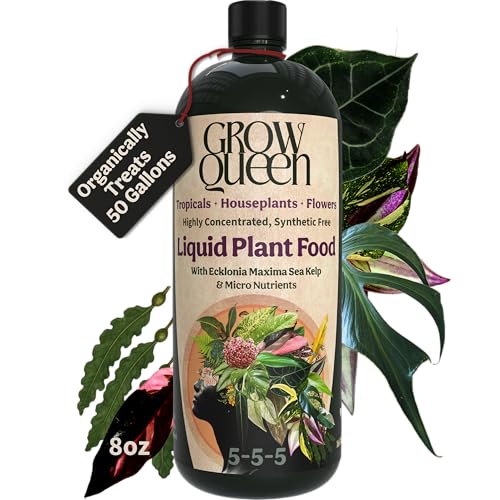
STRONGEST 5-5-5 ORGANIC LIQUID FERTILIZER – The only true 5-5-5 organic indoor plant fertilizer and plant food. Professional-grade yet gentle; feeds instantly without burn for fast growth, greener leaves, and strong roots in houseplants, tropicals, and potted plants; ideal daily indoor use. Boosts nutrients and vigor with balanced NPK.
Frequently Asked Questions

INSTANT ROOM DÉCOR UPGRADE: The architectural upright leaves of this live Snake Plant provide a modern, sleek look that defines minimalist decor. An excellent, stylish choice for a floor accent in your home or offlice
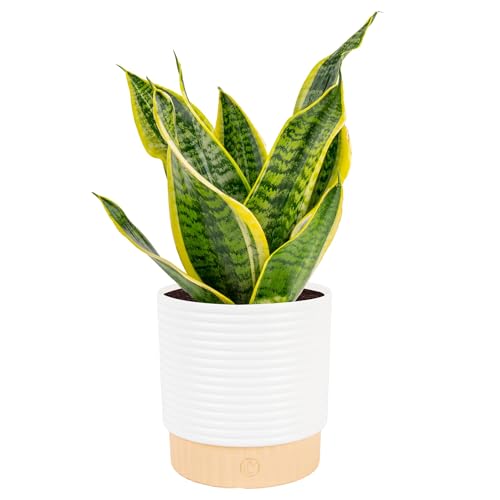
SLEEK & MINIMALIST DÉCOR: The architectural upright leaves of this live Snake Plant provide a modern, sleek look that defines minimalist decor. An excellent, stylish gifting choice that shines as a statement piece for any living room, office, or desk

Versatile Décor for Any Space:Bring the beauty of nature indoors with our incredibly lifelike 3ft fake snake plant. Designed with realistic textures and vibrant greenery, this faux snake plant blends seamlessly into any setting—entryway, living room, bedroom, office, porch, or patio—instantly brightening your space with natural charm
What are the main benefits of decorating with plants in my home?
Decorating with plants enhances both aesthetics and well-being by creating living art that reflects your personal style. Plants improve indoor air quality, add natural beauty, and transform any space into a vibrant, inviting sanctuary. They serve as focal points, create visual interest, and contribute to a calming atmosphere throughout your home.
How do I choose the right plants for my home décor?
Choose plants based on three key factors: light conditions in your space, your maintenance commitment level, and safety for pets and children. Assess natural light sources to match plants with appropriate lighting needs, consider low-maintenance varieties if you have a busy lifestyle, and research plant toxicity to ensure safety.
What’s the best way to create visual interest with different plant sizes?
Use large floor plants as statement pieces in empty corners, medium plants on stands to add dimension, and small plants on shelves and tables to brighten overlooked spaces. Incorporate wall-mounted or hanging plants to maximize greenery in smaller areas and create a layered, dynamic look throughout your home.
How should I group and arrange plants for the best visual impact?
Group plants of similar styles or pot colors together for cohesive displays, using odd numbers for a more natural look. Mix different textures and leaf shapes to enhance visual appeal, and create depth by positioning taller plants in the back with shorter ones in front for layered arrangements.
What should I consider when selecting planters for my plant décor?
Coordinate planter colors with your existing room palette, using neutral tones for minimalist settings or bright pots for color pops. Mix materials like ceramic, woven, metal, and wood for added texture. Ensure proper scale and proportion by balancing plant and planter sizes with your room’s dimensions.
How can I maximize vertical space with plants?
Install floating shelves near light sources for small to medium plants, use macrame hangers for trailing plants to add bohemian charm, and create living walls with mounted planters. These techniques maximize greenery without sacrificing floor space while creating stunning vertical visual elements.
Which rooms work best for specific types of plants?
Living rooms benefit from larger plants like Areca Palms as focal points and air purifiers. Bedrooms are ideal for air-purifying plants like Aloe Vera and English Ivy to improve sleep quality. Bathrooms suit humidity-loving plants such as Boston Ferns and Bromeliads for spa-like atmospheres.
How can I use plants as natural room dividers?
Cluster medium to tall plants like snake plants and rubber plants to create elegant partitions that maintain an open feel. These natural dividers provide privacy while enhancing aesthetics. Layer plants of different heights and textures in corners, and frame doorways with greenery for welcoming transitions.
What maintenance practices keep my plant décor looking its best?
Establish consistent watering schedules tailored to each plant’s needs to prevent over or under-watering. Regularly rotate plants for even growth, prune dead or yellowing leaves, and clean foliage to maintain freshness. These practices preserve beauty and vitality throughout the year.
Can I successfully decorate with plants if I’m a beginner?
Absolutely! Start with low-maintenance plants that match your light conditions and lifestyle. Focus on simple arrangements using the rule of odd numbers, choose plants with similar care requirements when grouping, and gradually expand your collection as you gain confidence and experience.