Are you feeling like your yard is missing that cozy, private vibe? Maybe you’re tired of nosy neighbors catching glimpses of your family gatherings or just want a peaceful retreat in your own garden. That’s why I created this post! Today, we’ll explore some clever and natural ways to use hedges and plants for privacy.
This guide is perfect for you if you’re passionate about gardening and sustainability. If you’re someone who loves the idea of transforming your outdoor space into a serene sanctuary, you’re in the right place. Whether you live in a busy urban area or a quiet suburb, these tips will help you create an inviting haven where you can relax without feeling exposed.
I’ve gathered 10 natural privacy fence ideas that utilize a range of hedge plants and greenery. These ideas are not only eco-friendly but also add beauty to your landscape. From the classic boxwood hedge to edible options, you’ll find solutions that suit your style and needs. By the end of this post, you will have a toolkit of practical ideas and inspiration to make your garden a more private and personal space.
Let’s dig into how you can enhance your garden with these stunning natural fencing options and create a green wall that provides both privacy and a touch of elegance.
Key Takeaways
– Discover different hedge plants for privacy, including the versatile Leyland Cypress and fragrant lavender.
– Learn how to create eco-friendly privacy screens with bamboo and natural willow fences.
– Explore mixed shrub borders that enhance texture and depth while offering privacy.
– Find out how to incorporate edible hedges into your garden for both beauty and function.
– Get inspired to transform your outdoor space into a serene retreat that feels both personal and inviting.
1. The Classic Boxwood Hedge
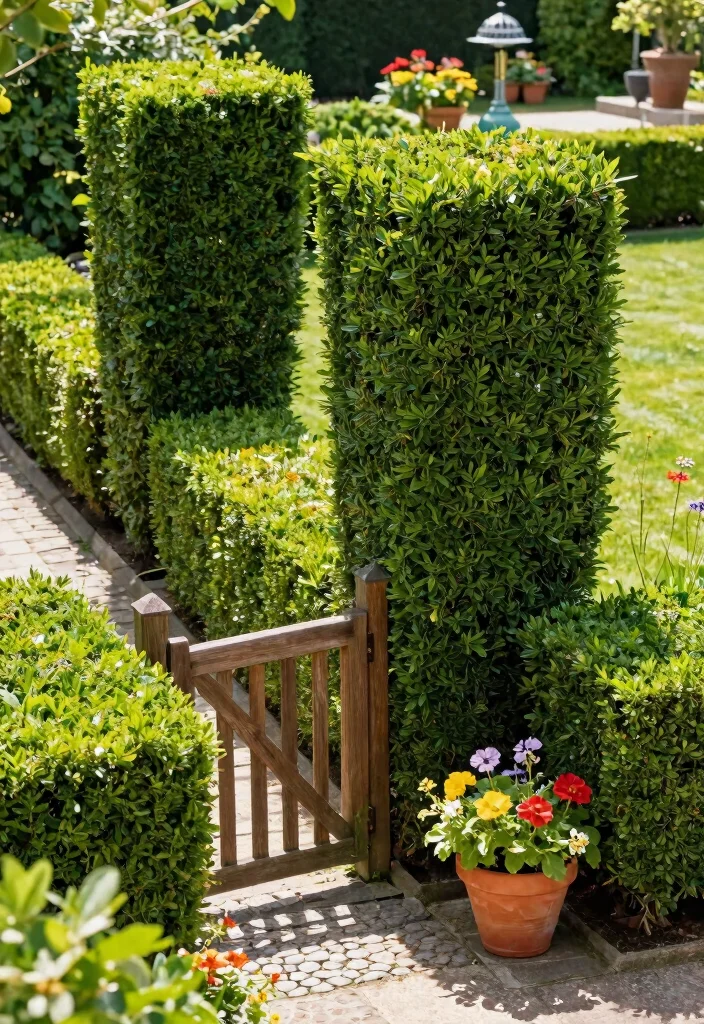
If you’re searching for a way to introduce elegance into your outdoor space, look no further than the classic Boxwood hedge. These evergreen beauties not only provide a stunning visual appeal but also serve as a reliable privacy solution. With their lush, dense foliage and ability to be shaped through regular trimming, Boxwoods can reach heights of up to five feet, creating a perfect natural barrier. They thrive in a variety of light conditions and well-drained soil, making them a versatile choice for many gardens.
To achieve the best results with your Boxwood hedge, consider planting them in staggered double rows for added thickness. Focus on these practical tips:
– Plant in staggered rows for a fuller appearance.
– Regularly prune to maintain shape and health.
– Apply mulch around the base to retain moisture and control weeds.
With their ability to absorb noise and act as windbreaks, Boxwoods not only enhance your garden’s beauty but also improve your outdoor comfort.


2. The Versatile Leyland Cypress
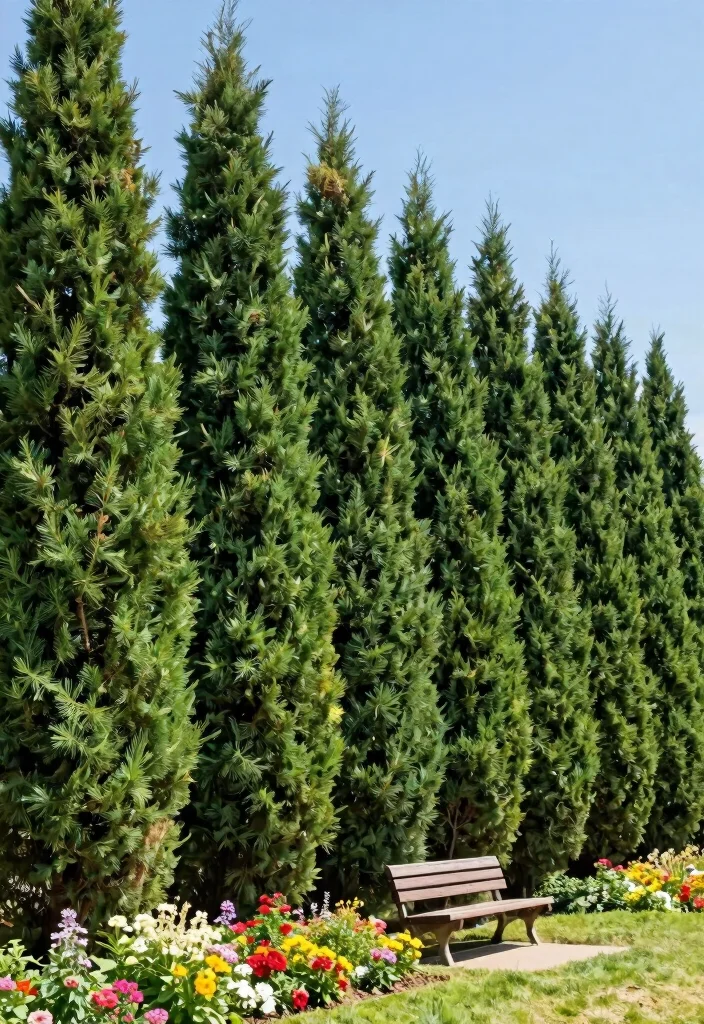
For those needing a quick and effective privacy screen, the Leyland Cypress is an excellent choice. This fast-growing evergreen can soar to heights of 30-50 feet, offering a towering green wall that shields your yard from prying eyes. Known for their lush, needle-like foliage, Leyland Cypresses require minimal maintenance and can thrive in various conditions, making them a gardener’s favorite.
When planting your Leyland Cypresses, keep these tips in mind:
– Space them 5-10 feet apart for optimal growth.
– Ensure young trees are watered regularly until established.
– Check for good drainage to prevent root rot.
With their striking presence and low upkeep, Leyland Cypresses not only serve a functional purpose but also add a touch of elegance to any urban garden.


3. Bamboo Privacy Screens
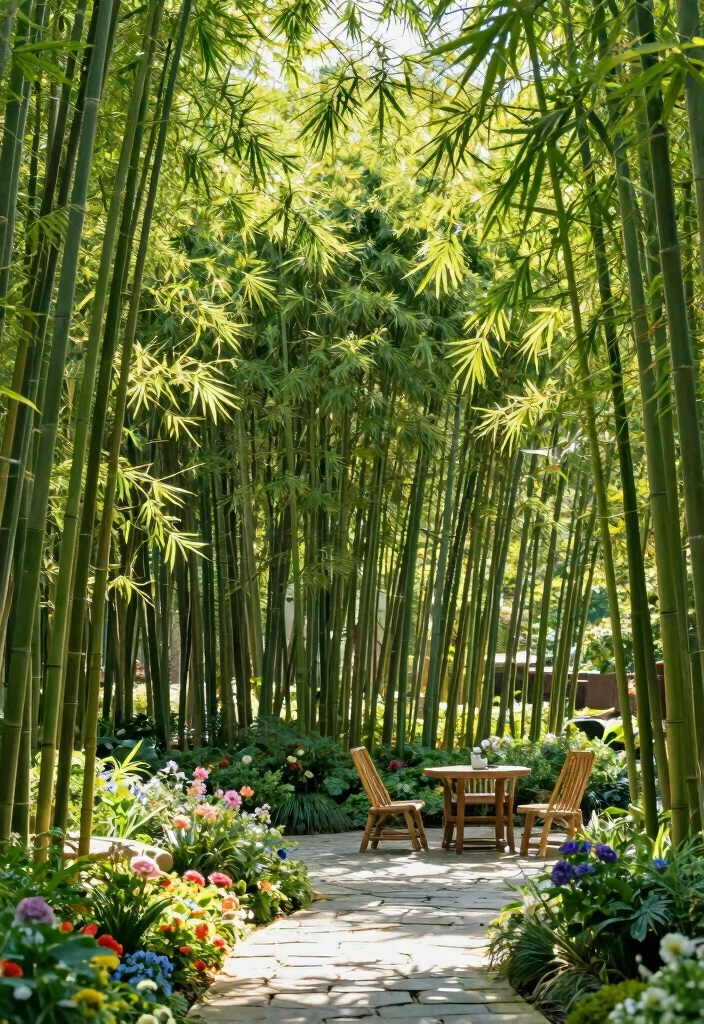
If you’re aiming for a tropical vibe, look no further than bamboo for your natural fencing needs. This eco-friendly grass grows rapidly and reaches impressive heights, providing a unique texture that standard hedges lack. Bamboo flourishes in full sun with well-drained soil, making it a low-maintenance choice for your landscape. When planted in clusters, bamboo creates a dense screen that effectively blocks noise while ensuring your privacy.
To successfully incorporate bamboo into your garden, consider these guidelines:
– Choose clumping varieties like Fargesia for controlled growth.
– Install a rhizome barrier to prevent unwanted spreading from running types.
– Water regularly, especially during the crucial first growing season.
With its sleek, tall canes, bamboo not only adds modern aesthetics but also creates a serene atmosphere in your garden.
❝ Fun fact: Some bamboo can grow up to 91 cm (35 inches) in a single day. Plant in clusters for a fast, dense privacy hedge that blocks noise and adds a tropical vibe—eco-friendly and low maintenance.


4. Lavender Hedge for Scented Serenity

Lavender might not be the first plant that comes to mind for privacy, but its aromatic charm offers a delightful twist. Not only does it provide some visual seclusion, but its stunning purple blooms also create a captivating display. Lavender thrives in sunny spots with well-drained soil and is easy to maintain once established, plus its fragrant flowers attract helpful pollinators like bees and butterflies.
To create an enchanting lavender hedge, follow these simple tips:
– Plant in staggered rows for a fuller look.
– Trim after flowering to promote bushier growth in the next season.
– Pair with drought-tolerant companions like rosemary or sage for added beauty.
With its pleasing aroma and vibrant colors, a lavender hedge enhances both privacy and the sensory experience of your outdoor space.

5. Ornamental Grasses for Texture
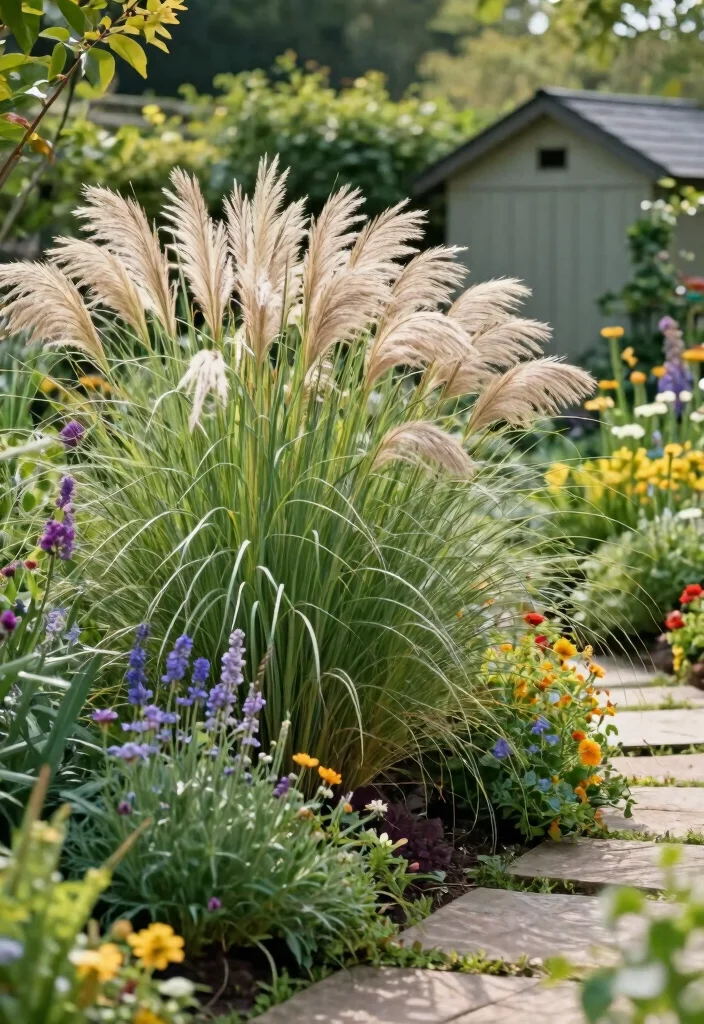
If you want a soft, textured look that also provides privacy, ornamental grasses are an ideal choice. Varieties like Miscanthus and Pennisetum can grow tall, creating graceful screens that sway beautifully in the wind. They require minimal care and adapt well to various soil conditions, making them perfect for urban gardens.
When adding ornamental grasses to your landscape, keep these tips in mind:
– Mix different heights for a dynamic visual effect.
– Avoid overcrowding by giving each plant enough space to thrive.
– Choose varieties that provide seasonal interest with diverse colors and textures.
By incorporating ornamental grasses, you can create a gentle privacy barrier that blends harmoniously with your garden’s overall design.
Ornamental grasses make privacy feel effortless and flexible. Mix Miscanthus and Pennisetum at varying heights to create a living privacy screen that sways with the wind. It’s a practical, low-maintenance way to bring natural fence ideas privacy hedge into urban gardens.
6. Natural Willow Fences
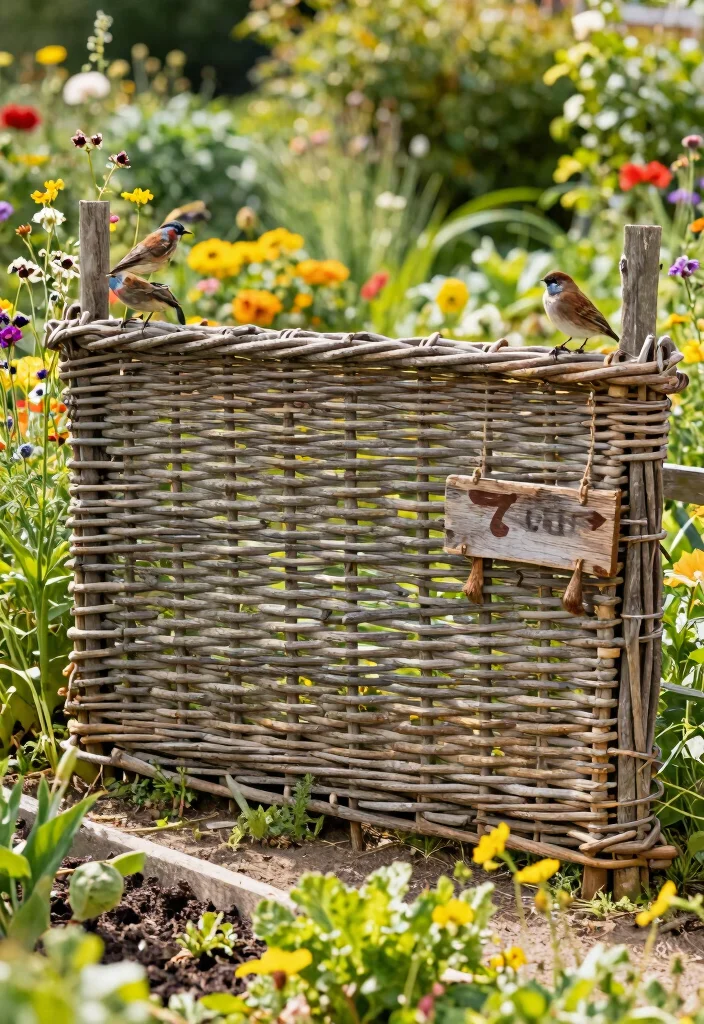
For a rustic touch, consider natural willow fences as a unique fencing option. By weaving together willow branches, you can create a living fence that brings character to your garden. This method, known as willow weaving, not only offers a distinctive look but also supports biodiversity by providing habitats for various birds and insects. Willows thrive in moist soil and prefer partial shade, making them ideal for wetter areas of your garden.
Here’s how to craft your natural willow fence:
– Use young, flexible willow branches for weaving.
– Plant in moist areas for optimal growth.
– Weave branches tightly for a sturdy fence.
With their natural beauty and intricate design, willow fences create a charming privacy solution while enhancing the overall aesthetic of your outdoor space.
Willow weaving is a simple, hands-on way to create living privacy—turn your yard into a natural fence ideas privacy hedge you can actually maintain. With moist soil and partial shade, these fences invite birds and bring character to wetter corners you typically hide.
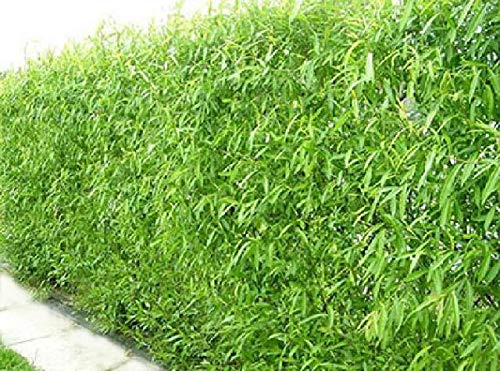

7. The Elegant Privet Hedge
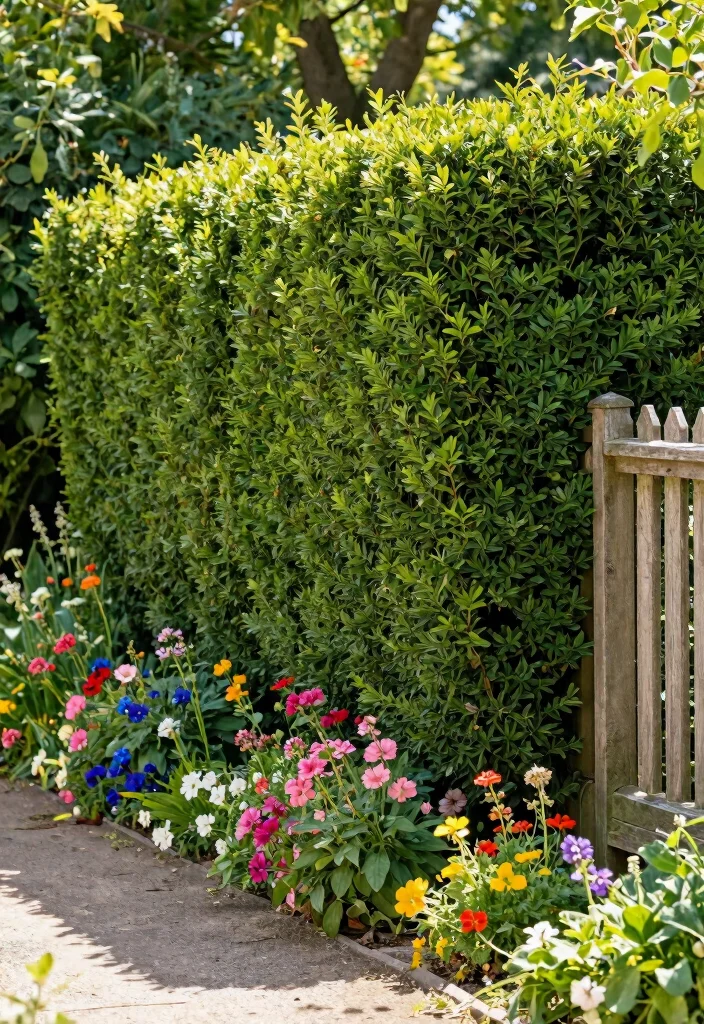
If you’re seeking a formal and classic look, privet hedges are a great option for privacy. This fast-growing shrub can reach heights of 6-12 feet, creating a dense barrier perfect for urban environments. With their glossy green leaves, privets provide an attractive backdrop for other plants in your garden. Regular trimming helps maintain their shape and density.
When adding privet hedges to your landscape, consider these tips:
– Plant them in full sun or partial shade for best results.
– Fertilize annually to encourage healthy growth.
– Prune twice yearly to keep the desired height and density.
A privet hedge not only elevates your garden’s visual appeal but also acts as an effective noise reducer, making it a favorite among city dwellers.
8. Flowering Dogwood as Natural Privacy
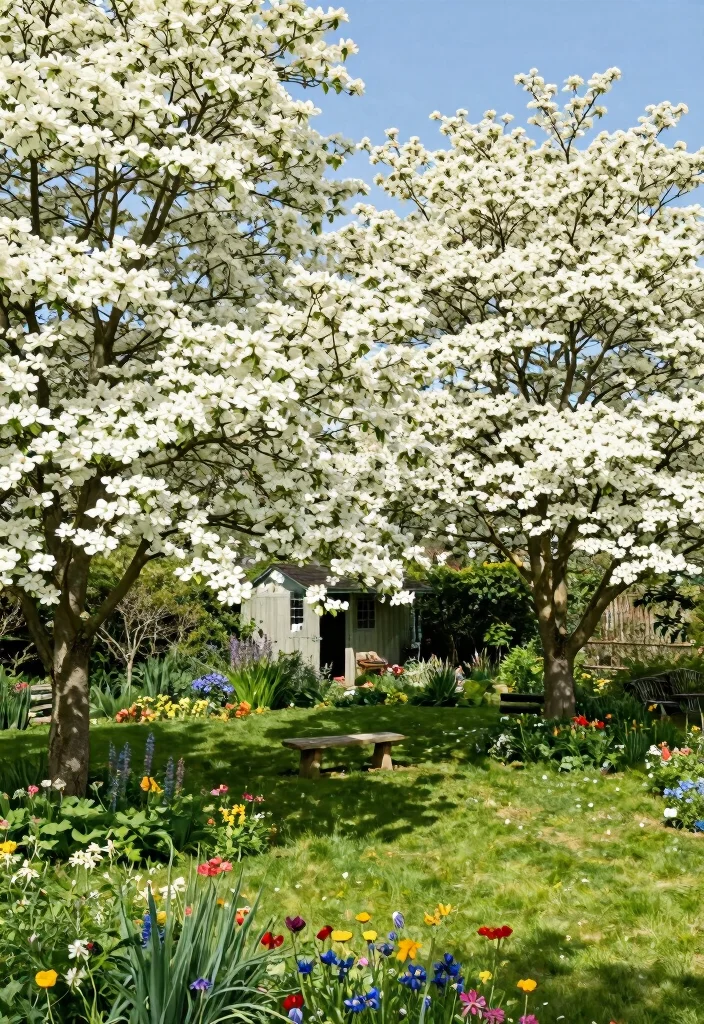
For those who love blooming plants, the flowering dogwood tree is an excellent natural privacy option. With its striking white or pink flowers, it adds a stunning display in spring while providing ample height for privacy. Typically growing to about 15-30 feet tall, they can create a lovely layered effect when planted in groups. Flowering dogwoods thrive in rich, well-drained soil and partial shade, making them ideal for many urban gardens.
To effectively incorporate flowering dogwoods, remember these tips:
– Plant in clusters for enhanced visual impact and privacy.
– Keep the soil moist, especially during dry spells.
– Regularly check for pests to maintain tree health.
With their year-round interest, flowering dogwoods not only provide a beautiful natural fence but also enhance your garden with seasonal blooms.
9. Mixed Shrub Borders for Privacy
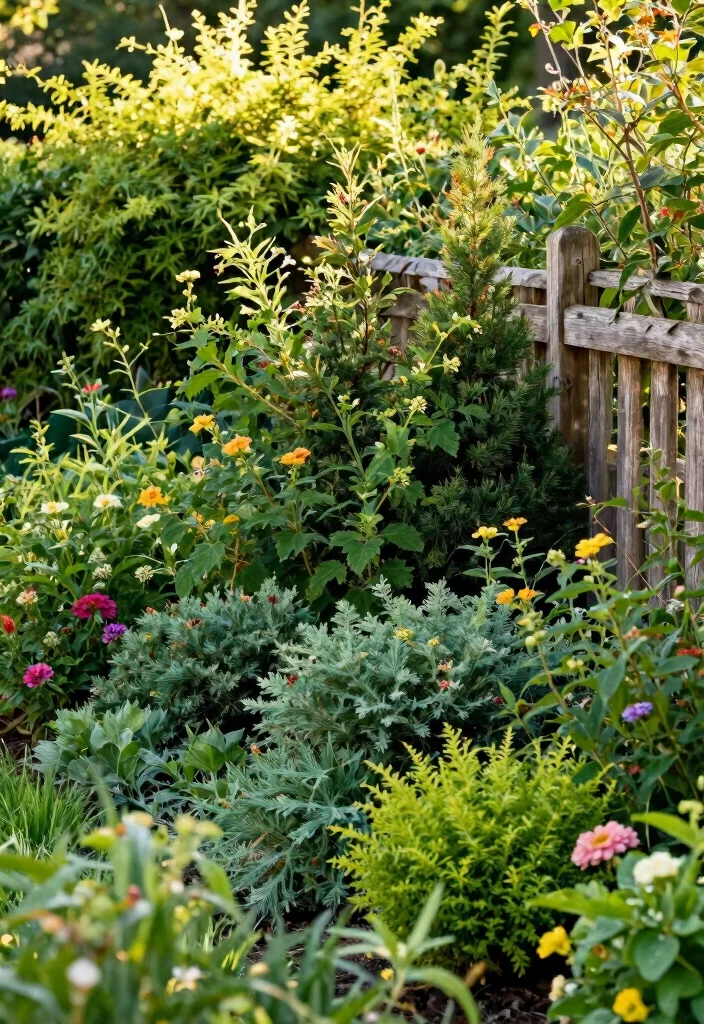
Creating a mixed shrub border is a fantastic way to achieve privacy while enhancing your garden’s depth and interest. By combining a variety of shrubs, you can create a layered, textured look that adds charm to your outdoor space. Opt for both evergreen and deciduous plants to ensure year-round privacy and seasonal appeal. This method also encourages biodiversity, offering habitats for local wildlife.
When designing a mixed shrub border, consider these strategies:
– Select varied heights to create visual interest.
– Use native plants for resilience and ecosystem benefits.
– Group plants by water needs for easier care.
This approach provides an attractive and sustainable way to create privacy while keeping your garden vibrant throughout the year.
10. Edible Hedges for Practical Privacy
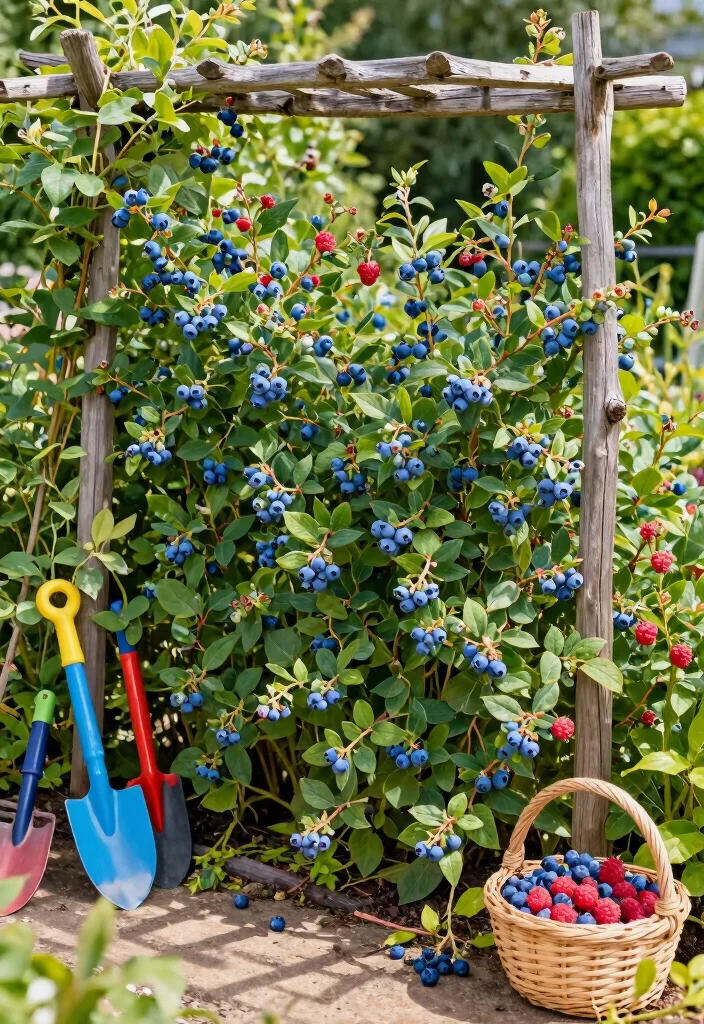
Combine aesthetics and functionality with edible hedges that offer both beauty and fresh produce. Plants like blueberries, raspberries, and currants can create a dense barrier while providing delicious fruits. Thriving in sunny locations, these plants are relatively easy to care for, making them perfect for urban gardening.
To create your own edible hedge, follow these simple guidelines:
– Select high-yield varieties for better harvests.
– Ensure proper spacing for healthy growth.
– Water and prune regularly to maintain plant health.
By planting edible hedges, you can enjoy the benefits of privacy alongside the joy of harvesting fresh fruits right from your garden.

Conclusion
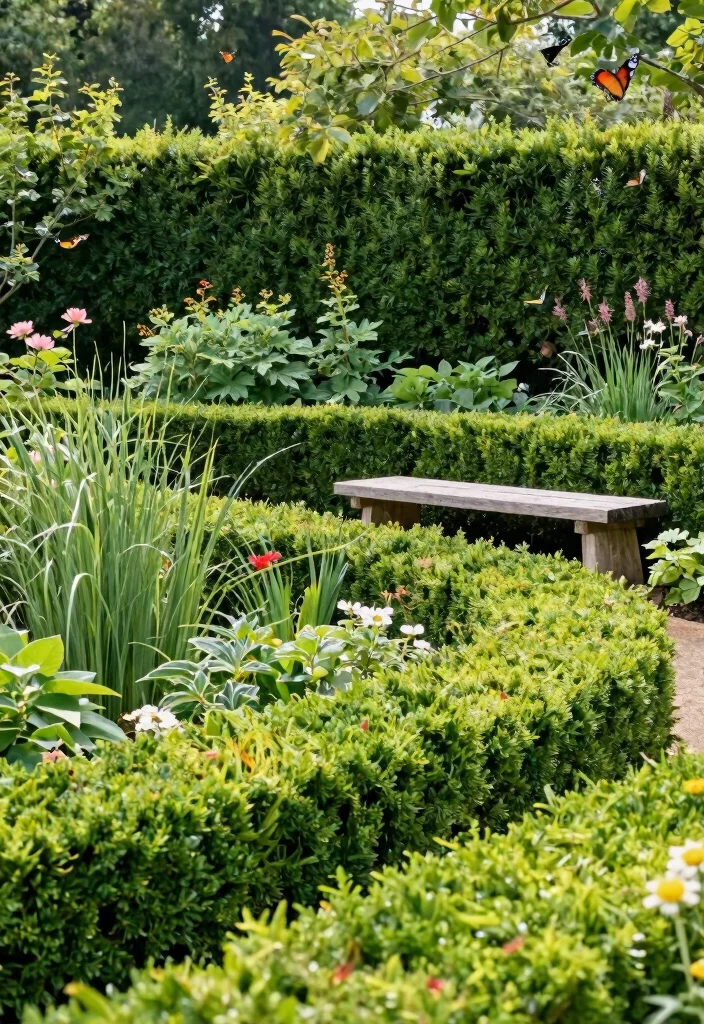
Natural fences made from hedges and plants offer creative, sustainable solutions for privacy in urban gardens.
From the classic Boxwood to versatile bamboo, each option brings its unique charm and benefits to your outdoor space. By choosing eco-friendly plants, you not only enhance your garden’s beauty but also contribute to a healthier environment. Embrace these natural privacy fence ideas and transform your garden into a serene retreat.
Note: We aim to provide accurate product links, but some may occasionally expire or become unavailable. If this happens, please search directly on Amazon for the product or a suitable alternative.
This post contains Amazon affiliate links, meaning we may earn a small commission if you purchase through our links, at no extra cost to you.
Frequently Asked Questions
What are the best hedge plants for privacy in small urban yards?
For compact spaces, prioritize evergreen, dense-growing options that give year‑round coverage. Great hedge plants for privacy include boxwood for a neat, formal screen; privet for fast coverage; arborvitae and yew for taller, reliable screens; and clumping bamboo for rapid, lush privacy (choose non‑invasive cultivars). Native evergreens like holly or viburnums can also work well in many climates. When selecting, match height, growth rate, and light needs to your site, then plan a layered approach so you get natural fence ideas privacy hedge that feel intentional and harmony with the garden.
Tip: start with a fast‑growing back layer and fill in with slower, denser plants to achieve quick privacy without sacrificing ecology or light.
How can I choose natural fencing options that blend with my garden while maximizing privacy?
Begin with a quick space/conditions check: sun, soil, wind, and how much privacy you actually need. Choose 2–3 species that share similar light needs and mature to the desired height, then layer them for depth and airflow. This approach fits garden privacy solutions that look cohesive rather than like a wall. Prioritize native or well‑adapted hedge plants for resilience and eco-friendly privacy screens. Consider a mix of back‑row tall evergreens, mid‑height shrubs, and groundcovers to soften edges and keep the look landscaping with hedges friendly and natural.
How long does it take for a hedge privacy screen to establish, and what maintenance is required?
Most screens take 1–3 years to reach solid density, with faster results from aggressive shrubs like privet or laurel and slower ones from boxwood. Maintenance is practical and doable: water deeply during establishing, mulch to retain moisture, prune to encourage dense branching, fertilize lightly in spring, and remove any dead or crossing branches. Regular trimming helps keep a compact, healthy silhouette and ensures the screen stays effective as natural fence ideas privacy hedge evolve. A little ongoing care goes a long way in turning a plant row into a reliable garden privacy solution.
Can hedge privacy screens help with noise reduction and eco-friendly landscaping?
Yes, a dense, multi‑layer hedge can dampen noise and create a calmer yard vibe. Choose hedge plants for privacy that are evergreen and tightly packed, and aim for a height that blocks sightlines and reduces sound reflection. A layered approach—tall back rows, mid‑height shrubs, and groundcover—often maximizes both privacy and noise reduction. Plus, using native or drought‑tolerant species makes the project eco-friendly privacy screens and aligns with sustainable landscaping with hedges practices.
What spacing and planting tips ensure a dense privacy hedge in a small urban yard?
Start with a staggered planting pattern to speed up density: 2–3 ft (about 60–90 cm) apart for fast‑growing varieties like privet or laurel, and 4–6 ft (1.2–1.8 m) apart for slower, denser options like boxwood. Use 2–3 species with similar light needs to create a layered screen, then backfill with groundcovers or low shrubs to eliminate gaps. Prepare well‑drained soil, water deeply after planting, and mulch to conserve moisture. With thoughtful spacing and regular pruning, you’ll achieve a robust, natural fence ideas privacy hedge that suits a small urban yard while staying eco‑friendly and stylish.
Related Topics
natural fence ideas
privacy hedge
sustainable gardening
hedge plants for privacy
eco-friendly screens
landscaping with hedges
urban gardening
garden privacy solutions
easy privacy options
green fencing
plant-based barriers
beginner gardening