Creating a peaceful outdoor space is something many of us dream about. We all crave a little escape from the hustle and bustle of everyday life. That’s why I put this post together. It’s filled with ideas to help you create a natural and serene retreat right in your own backyard.
If you love gardening, nature, or simply spending time outside, you’re in the right place. This guide is perfect for anyone who wants to transform their backyard into a calming woodland haven. Whether you have a small patio or a sprawling yard, you’ll find inspiration that suits your space and style.
What can you expect to find here? I’ve gathered 12 wooded backyard ideas that are not only beautiful but also sustainable. From cozy seating areas to wildlife habitats, these suggestions will help you design a space that feels like a breath of fresh air. You’ll learn how to incorporate natural outdoor decor and make the most of your surroundings.
Imagine walking through your own woodland pathways or relaxing by a charming water feature. No matter your taste, there’s something here to spark your creativity. Let’s dive into these ideas together and turn your backyard into a peaceful retreat where you can unwind and connect with nature.
Key Takeaways
– Explore native plant gardens to support local wildlife and create a lush environment that thrives naturally.
– Discover how to design cozy seating areas that invite relaxation and encourage outdoor living.
– Learn about the beauty of woodland pathways that can guide you through your backyard sanctuary.
– Incorporate water features to enhance tranquility and attract birds and other wildlife.
– Find practical tips for creating edible landscapes that provide fresh produce while beautifying your space.
1. Native Plant Garden

Imagine walking into a garden that not only looks beautiful but also supports your local ecosystem. A native plant garden is a fantastic way to accomplish this while using plants that thrive naturally in your area. These plants require less water and maintenance, making them perfect for busy homeowners. Plus, they attract essential pollinators like bees and butterflies, creating a vibrant, buzzing atmosphere in your backyard.
To get started, research the native plants that flourish in your climate. Aim for a mix of colors and heights to keep the garden visually appealing year-round. Group plants with similar needs together for easier care, and consider using mulch to retain moisture and suppress weeds.
Key benefits of native plants:
– Support local wildlife with natural habitats
– Reduce water usage with drought-resistant varieties
– Improve soil health with deep root systems
By incorporating native flora, you create a stunning, sustainable garden that enhances both beauty and biodiversity.
Fun fact: A native plant garden can cut watering and maintenance by up to 30-50%. They attract bees and butterflies, boosting biodiversity and transforming your wooded backyard ideas into a buzzing, low-effort oasis.
2. Cozy Seating Areas

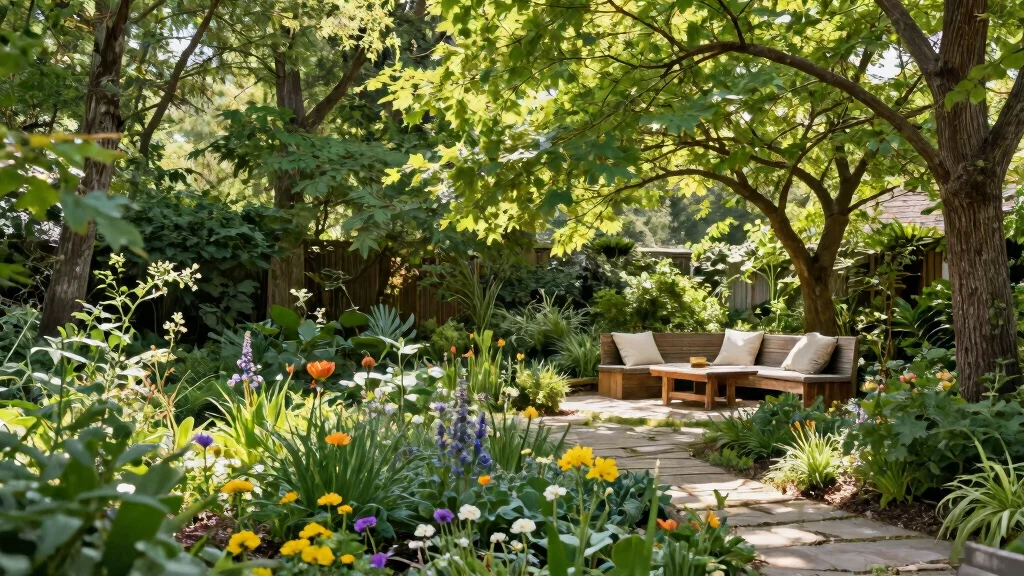
Transform your wooded backyard into a serene retreat with cozy seating areas designed for relaxation and connection. This space can become the perfect spot for morning coffee or evening gatherings with friends. Comfortable seating encourages you to unwind and enjoy the beauty of nature all around you.
Consider using reclaimed wood for rustic benches, or add plush, weather-resistant cushions for extra comfort. A fire pit surrounded by seating can create warmth and ambiance, making your outdoor space inviting year-round. Enhance the atmosphere with fairy lights or lanterns that twinkle at night.
Ideas for seating arrangements:
– Create benches from reclaimed wood
– Add soft cushions for a cozy touch
– Incorporate hammocks for a fun seating option
With welcoming seating spots, your backyard transforms into a cherished space where memories and moments are made.
3. Woodland Pathways

Woodland pathways add charm and character to your backyard, inviting exploration and discovery. Crafted from natural materials like stones or mulch, these paths blend seamlessly into the landscape, enhancing your garden’s beauty.
Creating winding paths can lead visitors to focal points like seating areas, ponds, or flower beds. Consider lining the edges with native ground cover plants that enhance the natural feel while preventing weeds. This design not only improves access but also protects your garden from soil compaction.
Benefits of pathways:
– Define different garden areas
– Provide easy access to plants and features
– Reduce soil erosion and compaction
With beautifully planned pathways, your backyard will feel like a peaceful escape into nature.
4. Water Features

Imagine a tranquil pond or a soothing fountain that enhances the serenity of your wooded backyard. Adding a water feature can create a peaceful ambiance and attract diverse wildlife, including birds and beneficial insects.
Consider small ponds filled with aquatic plants or a striking fountain that serves as a focal point. A waterfall can be integrated into your garden beds for a dynamic effect, enhancing both sound and sight. Be mindful of the size of your feature to ensure it complements your space.
Types of water features to consider:
– Create a small pond with fish and plants
– Add a fountain for visual appeal
– Integrate a waterfall for a dramatic touch
By incorporating a water feature, you’ll cultivate a serene atmosphere that enriches your outdoor experience.
5. Edible Landscapes

Imagine enjoying fresh fruits and vegetables right from your own backyard. An edible landscape combines beauty with functionality, allowing you to create a garden that feeds your body as well as your soul. By integrating fruit trees, berry bushes, and vegetable patches, you enhance your outdoor space while promoting sustainability.
Consider mixing ornamental plants with edible varieties, such as apple trees alongside colorful flowers. Raised garden beds can provide a structure for vegetables and herbs, keeping everything organized and appealing. This setup not only looks great but also encourages biodiversity.
Benefits of edible landscaping:
– Enjoy fresh produce at your fingertips
– Attract beneficial insects to your garden
– Reduce grocery costs while enhancing meals
By incorporating edible plants into your design, you create a beautiful and productive garden that nourishes both body and spirit.
6. Sustainable Materials

Choosing sustainable materials for your backyard design is essential for creating an eco-friendly space. Using reclaimed, recycled, or locally sourced materials for structures like decks and fences minimizes your environmental impact while adding unique charm.
Consider options like reclaimed wood for pathways or bamboo for fencing, both of which are sustainable choices. Each material not only tells a story but also enhances the rustic feel of your outdoor retreat. Combining different materials can create an eclectic look that reflects your personal style.
Types of sustainable materials to explore:
– Use reclaimed wood for structures and paths
– Choose bamboo for an eco-friendly fence
– Incorporate recycled metal for garden art
By opting for sustainable materials, your backyard becomes a beautiful, responsible space that respects the planet.
7. Vertical Gardening

If your backyard space is limited, vertical gardening can maximize your growing potential while adding a unique dimension to your outdoor area. By utilizing vertical space, you can create a lush landscape that is visually striking and functional.
Consider using trellises for climbing plants or wall planters for herbs. Repurposing pallets can also create vertical gardens that hold pots, making them ideal for small spaces. This approach not only beautifies your yard but also can improve air quality and reduce noise.
Benefits of vertical gardening:
– Make the most of limited space
– Add height and texture to your garden
– Create natural privacy screens
With vertical gardening, even the smallest backyard can flourish into a vibrant green oasis.
Did you know vertical gardening can add 2x usable growing space in a small wooded yard? Trellises, wall planters, and repurposed pallets turn walls into lush, productive greens—practical for tiny spaces and instantly elevating your wooded backyard ideas.
8. Natural Outdoor Decor

Incorporating natural outdoor decor into your wooded backyard can enhance its charm while keeping it eco-friendly. Selecting decor made from sustainable materials emphasizes the beauty of your garden’s natural elements.
Consider using stone sculptures, wooden benches, or hanging bird feeders that harmonize with the landscape. Art installations crafted from driftwood or bamboo can add a personal touch that tells a story about your space. Aim for decor that complements your backyard’s design and enhances its organic feel.
Ideas for natural decor include:
– Use stone sculptures to blend with nature
– Hang bird feeders to support local wildlife
– Create art with driftwood or bamboo
By thoughtfully selecting decor items, you’ll cultivate a charming atmosphere that feels authentically connected to nature.
9. Wildlife Habitat

Creating a wildlife habitat in your backyard can bring an abundance of joy and biodiversity to your outdoor space. By offering food, water, and shelter, you’ll attract various birds, insects, and wildlife, enriching your garden’s ecosystem.
Start by planting native flowers and shrubs that provide nectar and seeds. Install birdhouses and nesting boxes to encourage local birds to visit, and create a small pond to offer drinking and bathing opportunities. Observing the wildlife that visits can provide delightful moments for you and your family.
Ways to create a wildlife habitat:
– Plant native flowers for nectar and seeds
– Install birdhouses for local birds
– Create a small pond for wildlife
By fostering a wildlife habitat, your wooded backyard becomes a lively sanctuary for both you and the local creatures that call it home.
10. Organic Gardening Practices
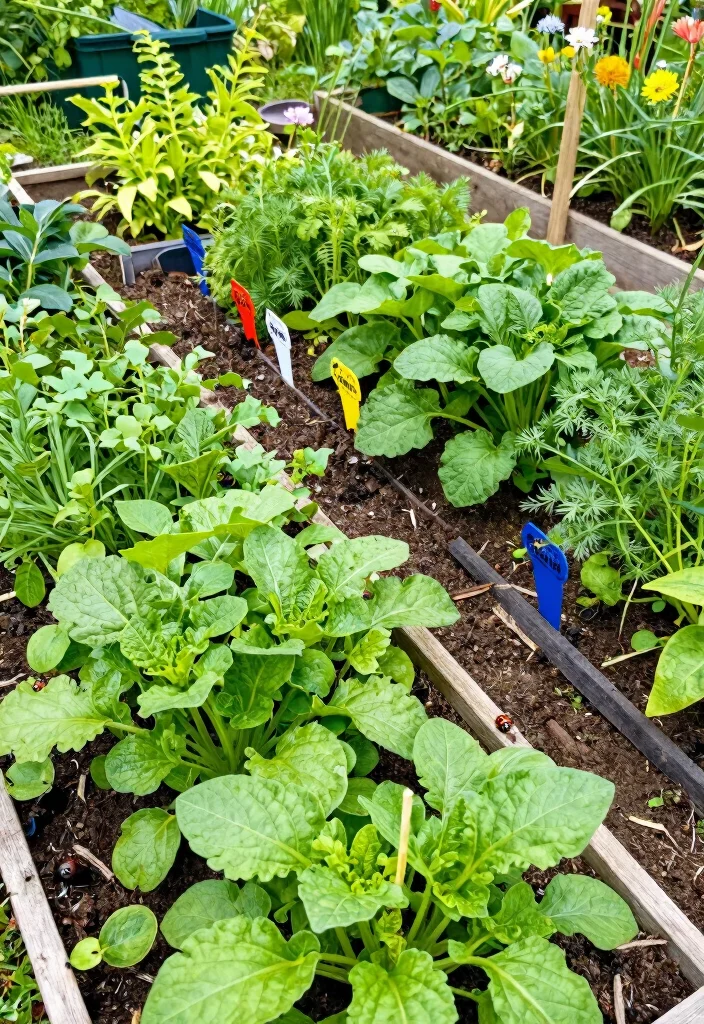
Adopting organic gardening practices in your wooded backyard benefits both your health and the environment. By avoiding synthetic pesticides and fertilizers, you promote healthier soil and plants while safeguarding local wildlife.
Start by incorporating compost to enrich the soil naturally and practicing crop rotation to prevent pest issues. Companion planting techniques can also enhance growth and deter pests. This organic approach encourages sustainability and provides fresh produce free from harmful chemicals.
Core organic practices to implement:
– Use compost to enrich soil naturally
– Rotate crops to prevent pests
– Practice companion planting for better growth
By embracing organic gardening, you’ll cultivate a healthier environment that thrives naturally and contributes positively to the ecosystem.
11. Mindful Meditation Spaces

Creating a mindful meditation space in your wooded backyard can offer a peaceful retreat for relaxation and rejuvenation. This dedicated area can be designed with natural elements that promote tranquility and reflection.
Choose a spot surrounded by trees for privacy and use comfortable cushions or yoga mats for seating. Adding calming elements like a small fountain or wind chimes can enhance the atmosphere. This space allows for quiet moments, whether for meditation, yoga, or simply enjoying the beauty of nature.
Design elements for meditation spaces:
– Select a private, shaded spot for calm
– Use comfortable seating like cushions or mats
– Incorporate calming features such as fountains
By designing a mindful meditation space, your backyard can become a personal sanctuary where you find peace and connection with nature.
Small mindful pauses turn a wooded backyard into a sanctuary. Place a cushion by a fountain, breathe for five minutes, and listen to the wind chimes. These wooded backyard ideas become your daily reset, bringing calm without leaving home.
12. Seasonal Color Changes

Planning your backyard with seasonal color changes will create an engaging outdoor space that delights all year long. By selecting plants that bloom at different times, you’ll craft an ever-evolving landscape that appeals to the senses.
A mix of flowering plants, evergreens, and deciduous trees can ensure vibrant colors throughout the seasons. Incorporate bulbs for spring blooms and late summer flowers for added color. Ornamental grasses can provide texture and movement as they sway in the breeze.
Strategies for seasonal interest:
– Mix flowering plants with evergreens for year-round color
– Use bulbs for early and late blooms
– Incorporate grasses for seasonal texture
With thoughtful plant choices, your wooded backyard can become a stunning tapestry of colors, providing beauty and enjoyment all year long.
Conclusion

Creating a wooded backyard that is both beautiful and sustainable is an enriching experience. Each of these ideas offers a pathway to enhance your outdoor space, supporting local wildlife while providing a peaceful retreat for you and your family. Consider starting with one or two concepts that resonate with you and watch your garden flourish into a vibrant sanctuary.
Take your time as you design your space, and remember that the joy of gardening often lies in the journey, not just the destination.
Note: We aim to provide accurate product links, but some may occasionally expire or become unavailable. If this happens, please search directly on Amazon for the product or a suitable alternative.
This post contains Amazon affiliate links, meaning we may earn a small commission if you purchase through our links, at no extra cost to you.
Frequently Asked Questions
What are the essential elements of wooded backyard ideas to create a natural and peaceful outdoor space?
These wooded backyard ideas blend native plants, natural textures, and low-maintenance design to keep a peaceful space while supporting wildlife. Start with a layered understory of shade-loving natives, lay a meandering path of stepping stones, and add natural outdoor decor like rocks and driftwood to blend with the woods. A small water feature or birdbath invites wildlife, while rain barrels and compost support sustainability. For outdoor living spaces, tuck a cozy seating nook into a quiet corner and let wooded retreat ideas and peaceful garden design guide the layout. These wooded backyard ideas show how to balance beauty with practicality.
Which native plants thrive in a wooded backyard and how should I choose them for sustainable woodland gardening?
Native, shade-tolerant plants are the backbone of sustainable woodland gardening. Choose ferns, trilliums, Solomon’s seal, native dogwoods, and groundcovers like creeping thyme or pachysandra. Plan in layered groups: canopy trees, understory shrubs, and groundcover to mimic a forest understory. Avoid deep digging near tree roots; amend soil with compost and mulch; collect rainwater with barrels to support sustainability. This approach supports backyard landscaping that looks natural and creates natural outdoor decor and peaceful garden design. It also inspires wooded retreat ideas.
How can I create outdoor living spaces in a wooded setting without losing the natural feel?
Build with natural materials and scale that blends with the forest. Use untreated timber, stone, and woven textiles. Create a shaded seating area under the canopy, add a simple stone or wooden path, and place furniture at ground level to keep it intimate. Raise beds to protect tree roots and use planters that fit the woodland vibe. Keep maintenance light by choosing perennials and using mulch. This yields outdoor living spaces and wooded retreat ideas that stay harmonious with nature.
How do I manage light, soil, and moisture under trees to support sustainable woodland gardening?
Test your soil and observe light patterns—the dappled sun in a wooded site changes with the seasons. Improve soil with a thick mulch layer, compost, and organic matter; avoid deep digging that disturbs tree roots. Choose shade-tolerant natives and moisture-loving species for damper spots. Use raised beds or shallow containers to improve drainage where needed, and install a simple drip irrigation or rainwater system to water efficiently. This helps maintain healthy woodland soil for wooded backyard ideas that last.
What safety and maintenance considerations should I keep in mind when adding natural outdoor decor to a wooded space?
Wooded spaces can be magical, but safety matters. Clear trip hazards, check for slippery surfaces after rain, and avoid heavy decor that could damage tree roots. Anchor items securely and choose weather-resistant, untreated materials that won’t harm the forest floor. Schedule seasonal cleanups to remove fallen branches and leaves, prune for safe access, and store tools out of reach. By planning around wildlife and weather, you keep your space peaceful and practical—perfect for wooded retreat ideas and outdoor living spaces.
Related Topics
wooded backyard ideas
sustainable gardening
peaceful outdoor spaces
backyard landscaping
natural outdoor decor
wooded retreat ideas
outdoor living spaces
DIY garden projects
beginner friendly
nature-inspired design
landscape techniques
eco-friendly gardening