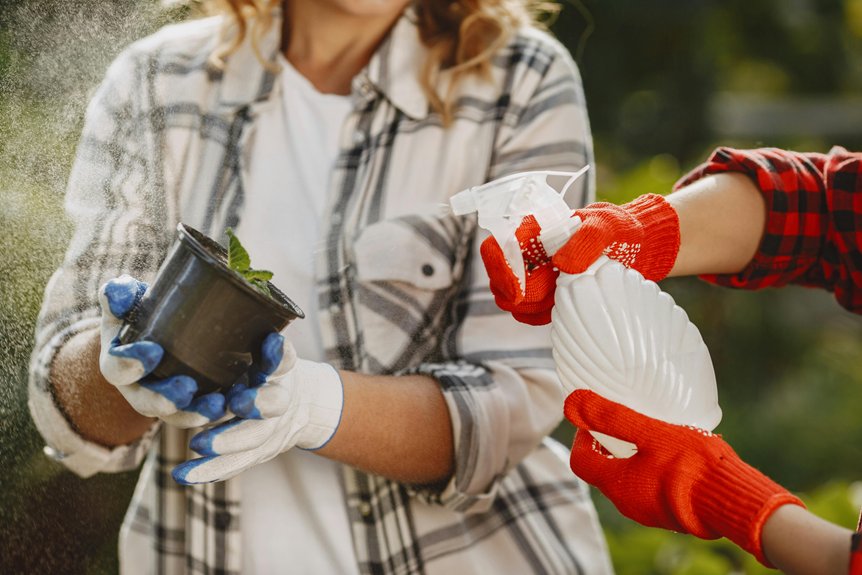
You’re probably watering your houseplants on a schedule, but that’s not the best approach. Instead, check the soil moisture before you water by pushing your finger about two inches deep into the soil to see if it actually needs water.
Different plants have different watering needs based on their type. Tropical plants typically want water once a week, while succulents can go months without a drink. Beyond plant type, several factors affect how fast your soil dries out: how much light your plant gets, the temperature and humidity in your home, the size of your pot, and what material your pot is made from. You’ll need to adjust your watering based on these conditions.
Both overwatering and underwatering cause problems. Too much water leads to mushy roots and fungal issues, while too little leaves your leaves wrinkled and droopy. Paying attention to your soil’s moisture level helps you avoid both extremes and figure out what your specific plants actually need.
Check Soil Moisture First
Before watering, check how moist your soil actually is. This habit might seem tedious at first, but it becomes automatic and saves your plants from drowning slowly in overwatered soil. Push your finger about two inches into the potting soil to feel the real moisture level rather than judging by what the surface looks like. The top layer can look bone-dry while moisture still hangs around deeper where your plant’s roots are. Use a moisture meter if you’re unsure what dry soil feels like—it gives you a clear reading when guessing feels risky.
The rule is simple: water when dry. Forget fixed schedules that don’t account for how much light your plant gets, how humid your home is, or what season it is. Once you water, wait until that soil reaches the dry point two inches down before watering again. This pacing keeps roots from rotting and helps you figure out exactly how often your particular plants need water. Over time, you’ll stop second-guessing yourself and actually know what your plants need.
Choose Watering Frequency by Plant Type
Once you understand how soil feels at different moisture levels, you’ll notice that your houseplants don’t all want water on the same schedule. A Monstera needs something totally different from a succulent, and a maidenhair fern would struggle with the dry conditions a cactus actually loves.
The type of plant you’re growing is the biggest factor in deciding how often to water. Tropical plants need consistent moisture and typically want water once a week, while succulents prefer long stretches between waterings—think monthly rather than weekly. Most common houseplants you’ll find at a garden center, like pothos, dumb cane, and syngonium, fall somewhere in the middle. These plants like it when the top inch of soil dries out before you water again, which means you’ll need to check the soil with your finger before pouring water.
| Plant Type | Watering Frequency | Soil Condition |
|---|---|---|
| Tropical Plants | Weekly | Evenly moist |
| Succulents | Monthly | Dry between waterings |
| Common Houseplants | When top inch dries | Moderate moisture |
This method works better than watering on a set day because it actually matches what your specific plant needs rather than following an arbitrary schedule.
Factor in Light, Temperature, and Humidity
Your watering schedule shifts significantly when you factor in light, temperature, and humidity—and this is where a lot of plant owners run into trouble. The environment around your plants changes how often they need water, no matter what size or material pot you’re using.
Here’s what shapes your watering needs:
- Light exposure speeds up how fast your soil dries out. Plants in bright spots need water more regularly than those in dim corners.
- Temperature affects evaporation rates. Warmer rooms dry out soil faster than cooler spaces, so you’ll water more frequently when it’s hot.
- Humidity matters because dry indoor air pulls moisture from soil quickly. You’ll need to water more often in arid rooms than in humid ones.
- Pot material plays a role too. Terracotta is porous and lets water escape faster, while plastic holds moisture longer.
All these factors work together. A plant sitting in a bright, warm, dry room needs watering much more often than one tucked in a cool, shaded spot. Understanding your specific conditions means you can dial in a schedule that actually works instead of guessing.
Consider Pot Size, Material, and Drainage
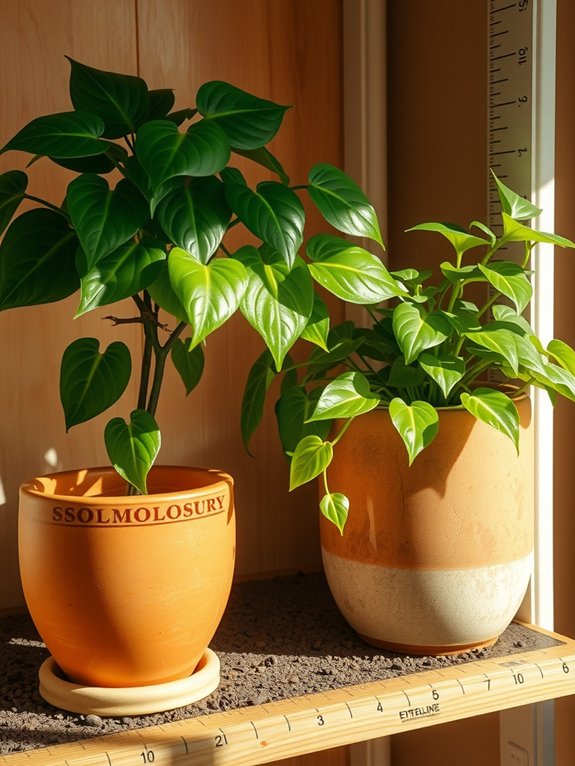
Your pot’s size, material, and drainage holes work together to determine how often you need to water. They matter almost as much as the plant itself.
Smaller containers hold less soil, so they dry out faster and need watering more frequently. Larger pots retain moisture longer, meaning you can go longer between waterings. The material makes a real difference too. Clay is porous and lets water escape through its sides, so clay pots dry out quicker than plastic or glazed ceramic ones, which trap moisture inside longer.
Drainage holes are essential. Without them, water sits in the soil and roots rot. When you water, pour until water flows out the bottom, then wait until the soil dries before watering again. If your pot has a decorative foil or covering around it, remove it so water can actually drain and air can reach the soil.
| Pot Type | Drying Speed | Watering Frequency |
|---|---|---|
| Small clay | Fast | More often |
| Large plastic | Slow | Less often |
| Medium glazed | Moderate | Balanced |
Track Watering and Recognize Overwatering Signs
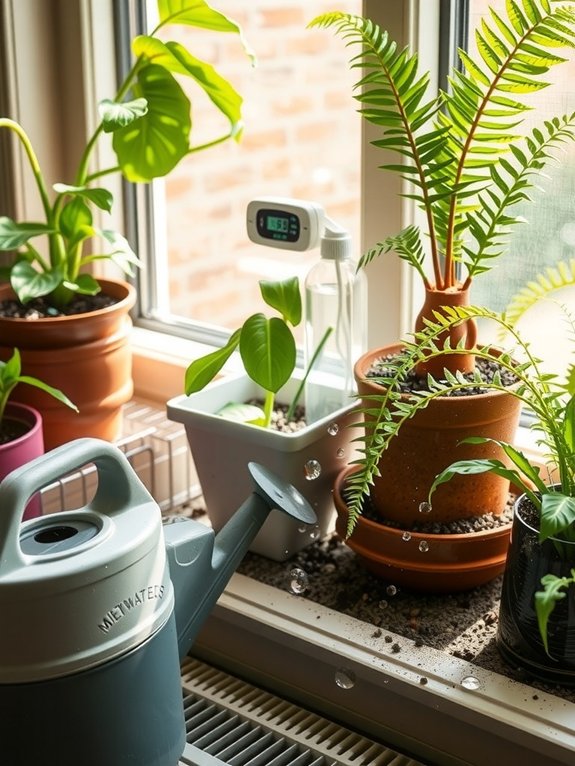
Track Watering and Recognize Overwatering Signs
Most houseplant casualties stem from watering mistakes—either too much or too little—which is why tracking soil moisture matters far more than following a rigid weekly or biweekly schedule.
You’ll develop confidence by using two practical methods that show your plant’s actual moisture levels:
- Finger test: Push two inches into the soil; if it feels dry, your plant likely needs water
- Weight method: Lift the pot to gauge how dry it is by comparing its lightness to how heavy it feels when the soil is moist
Pay attention to how your plant responds to improper watering. Overwatering causes mushy roots, yellowing leaves, brown or black spots, and fungal gnats. Underwatering shows up as pale or wrinkled leaves and soil that pulls away from the pot edges.
Every four to six months, flush the soil with clear water to prevent soluble-salt buildup and keep drainage working properly. This simple step supports your plant’s long-term health without requiring you to guess at when it needs water.