
In Ohio’s zones 5 and 6, you’ll work with a 170-day growing season stretched between the last spring frost around May 15th and the first fall frost. This timeline shapes everything you plant and when you plant it.
Start your cool-season crops—onions, peas, and cabbage—in March once soil reaches 40°F. By mid-May, when soil stabilizes above 60°F, you can move warm-season transplants like tomatoes and peppers into the ground. Since you’re working with a fairly tight window, succession planting throughout May and early summer helps you avoid having everything ready to harvest at once.
Before moving seedlings outside, harden them off over 7-10 days to adjust them to outdoor conditions. Even with your frost dates marked on the calendar, there’s still a 10% chance of unexpected freezes, so keep plastic covers and fabric row cloths on hand. These simple safeguards can protect young plants when temperatures drop unexpectedly.
Your specific microclimate within Ohio—factors like elevation, proximity to water, or urban heat—will shift these dates slightly, so pay attention to how conditions actually play out in your yard rather than relying only on zone averages.
Ohio’s Frost Dates and Growing Season: Your Planting Foundation
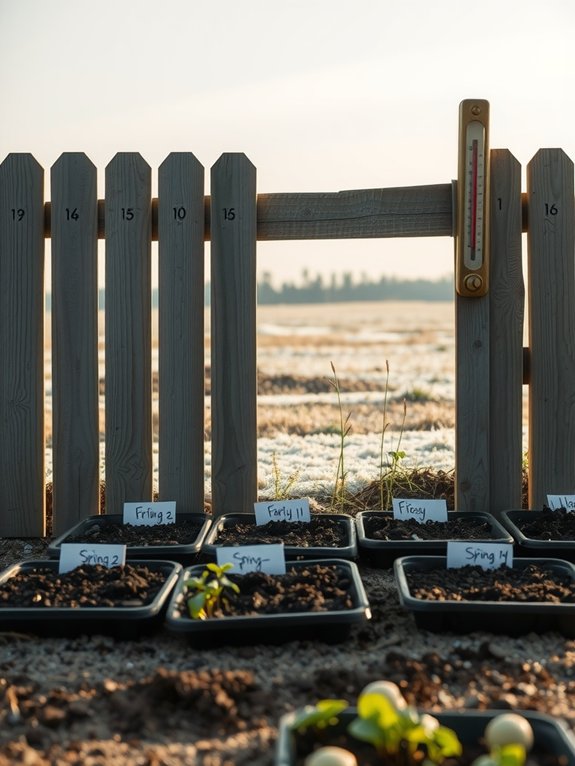
Why do experienced Ohio gardeners obsess over two specific dates each year—the last spring frost and the first fall frost? These dates form the backbone of your entire growing season, determining when you’ll safely start seeds indoors, transplant seedlings outdoors, and harvest before cold returns.
Ohio’s USDA hardiness zones 5 and 6 give you roughly 170 frost-free days to work with. That number matters, but here’s the catch: there’s about a 10% chance of unexpected frost even after your official last frost date. That’s why seasoned gardeners stay vigilant and don’t just pick a calendar date and hope for the best.
Understanding your local transplant timing means you’re planting when conditions actually support growth rather than gambling on unpredictable weather. When you align your planting schedule with these critical frost dates and zone-specific guidelines, you’re gardening with intention instead of accident.
When to Plant Cool-Season Crops in Ohio: March Guide
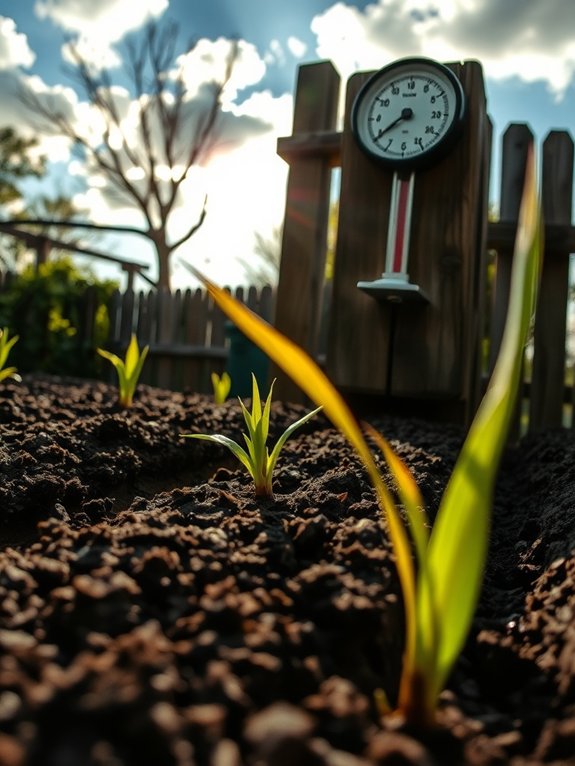
March is a solid time to plant cool-season crops in Ohio. Your soil is warming up, but it’s still cool enough for hardy vegetables like onions, peas, cabbage, and broccoli to do well. These crops actually prefer the cooler temperatures that might make you hesitant.
When you’re getting your beds ready, work in compost and organic matter. This prep work does double duty—it builds a strong base for your plants and sets you up for succession planting. By planting in stages over a few weeks, you’ll spread out your harvest instead of having everything ready at once.
That said, don’t rely only on average frost dates for your area. Your specific yard conditions matter more. Check your local microclimate—how much sun or shade your beds get, how water drains, when that last hard freeze typically hits. Keep an eye on your weather patterns in March and have plastic or fabric row covers ready. Late frosts still happen, and having these handy protects your seedlings when they show up unexpectedly.
Cool-Season Crop Selection
When March arrives in Ohio, your soil is slowly warming up, and that gives you a real advantage for planting cool-season crops. These are vegetables that actually do better in chilly conditions instead of struggling against them. Onions, peas, cabbage, and broccoli are your best bets for March planting because they handle frost without any problem.
Here’s what matters: onions and peas will germinate reliably once soil temperatures get close to 40 degrees. Cole crops like cabbage and broccoli benefit from getting planted early, before the weather turns warm. The timing makes a real difference in how well they establish themselves.
Pay attention to how your soil is warming up in your specific zone—whether that’s Zone 5 or Zone 6. Your location affects exactly when to plant, so check your local soil temperatures before you put seeds in the ground. By picking these hardy varieties now and getting them established early, you’re setting yourself up for earlier harvests and creating opportunities for successive plantings as spring moves forward.
March Planting Timeline
March gives you a real window to establish cool-season crops before your soil warms up, and in Ohio’s Zones 5 and 6, starting now beats waiting until April or May when your succession planting options shrink. Get your soil ready first by turning in compost and checking that water drains properly, then sow hardy vegetables like onions, peas, and cole crops. You’ll need to stay alert about frost since late freezes can still happen—keep row covers and cold frames accessible for protection. Rather than planting everything at once, spread your sowings across the month. This approach lets you harvest over a longer period as soil temperatures gradually climb, and it keeps you from getting everything ready to pick at the same time.
When to Plant Spring Vegetables in Ohio: April Planting
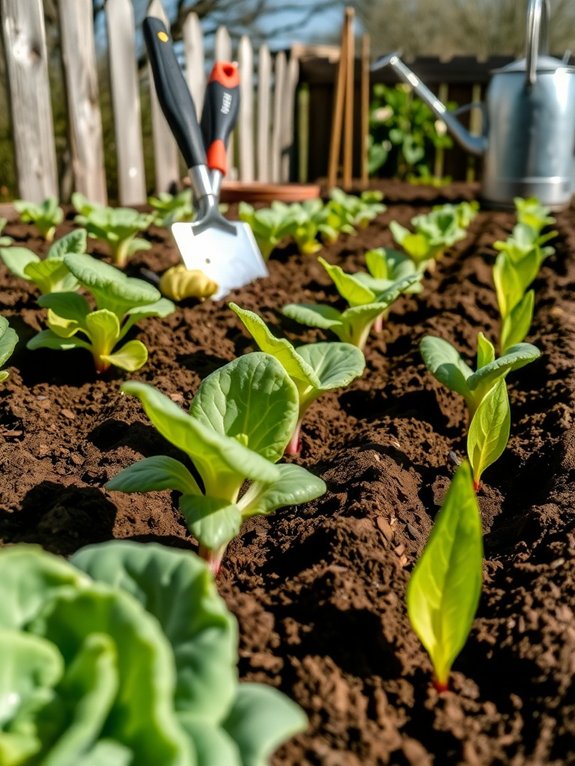
April in Ohio puts you in a tricky spot. You’re trying to plant cool-season crops like onions, peas, and cole crops—cabbage and broccoli—while frost can still show up without warning. Early April especially demands that you keep an eye on local weather forecasts and have frost cloth or row covers ready to pull out if temperatures drop.
Before you plant anything, spend time on soil prep. Turn compost and organic matter into your beds to create well-drained soil. This foundation work directly affects how fast your seeds germinate and how strong your plants grow. It’s not glamorous, but it matters more than the seeds themselves.
Here’s the real tension you face: push forward with planting or hold back to protect seedlings from late freezes. If you’ve gardened in Ohio for a while, you probably remember losing plants to an unexpected April cold snap. That balance between timing and caution is what separates a decent season from one where you’re replanting in May.
Cool Season Crop Timing
Why does April feel like the gardener’s sweet spot in Ohio? You’re timing cool-season crops precisely when soil warms and frost risk diminishes, aligning with your Zone 5 or Zone 6 last frost date. This window—fleeting yet generous—demands your attention and preparation.
Your April planting success hinges on these essential practices:
- Harden off seedlings gradually before transplanting to prevent shock
- Monitor soil moisture consistently, avoiding waterlogged conditions that invite disease
- Continue sowing hardy vegetables like spinach, peas, and cole crops
- Mulch around transplants to regulate temperature fluctuations and retain moisture
- Track local frost forecasts, since a 10% chance persists beyond average dates
Respecting these details transforms April into your most productive month, establishing momentum for the season ahead.
Frost Protection Strategies
Frost—that sudden dip below 32°F—can destroy weeks of indoor seedling work in a single night, which is why having a defense strategy actually matters. You need to know what you’re up against before your April transplants go outside.
Your first line of defense is hardening off. If you gradually acclimate your indoor-started plants to outdoor conditions over 7-10 days, you’ll significantly reduce frost damage risk before you even need to set up covers. This process gives your seedlings time to adjust to wind, temperature swings, and direct sunlight.
When frost threatens despite your hardening efforts, plastic or fabric coverings supported by sturdy frames will trap warmth while still allowing air circulation around your seedlings. The key is that these materials need to stay in place but let your plants breathe.
Know your frost dates for your specific location in Ohio’s Zone 5 or 6. That 10% chance of late frost isn’t just a statistic—it’s real enough that timing your plantings strategically around these dates makes a concrete difference. Check your local extension office for the average last frost date in your area.
Protect your root systems by warming the soil with mulch or dark plastic when temperatures threaten. This extra insulation where it matters most gives your transplants the resilience to bounce back from cold snaps.
When to Plant Warm-Season Crops in Ohio: May Timeline
There’s a particular moment each spring—around mid-May in central Ohio—when you can finally transplant tomatoes, peppers, cucumbers, and squash into your garden beds with reasonable confidence that frost won’t return. The average last frost date hovers near May 15th, marking your gateway to warm-season crops, though timing varies slightly depending on where you are in the state.
Mid-May works well for several practical reasons. You’ll want to wait until soil temperatures stabilize above 60°F before transplanting your established tomato and pepper seedlings. If an unexpected cold snap threatens your frost-free window, have protective coverings ready to throw over vulnerable plants.
In late May, you can sow succession crops like carrots, lettuce, corn, and beans. Planting these in stages rather than all at once gives you continuous harvests throughout the summer instead of everything ripening at the same time.
As your seedlings get established, pay attention to soil moisture levels and begin your regular fertilization and pest management routines. This consistent care during those early weeks matters more than any single action you take.
Start Seeds Indoors: Timeline and Supplies for Ohio
Getting your warm-season crops into the ground by mid-May requires starting seeds indoors several months ahead. Tomatoes, peppers, squash, broccoli, and cucumbers all need that head start to succeed in Ohio’s zones 5 and 6.
Start your planning in February so you’re ready to set up in March. You’ll need quality seed-starting mix, nursery pots or trays, and grow lights positioned to deliver sixteen hours of light daily. These aren’t optional—they make a real difference in how sturdy your seedlings become.
Check your seed packets for timing guidance. Tomatoes, for example, typically produce fruit ninety days after you transplant them outside. This information helps you figure out exactly when to start each type of seed so nothing gets too leggy or rootbound while waiting for outdoor conditions to improve.
Keep your seed-starting mix consistently moist through April as your seedlings grow. Rotate them regularly under the lights so they develop evenly instead of leaning toward the light source. About two to three weeks before your last frost date, begin moving your seedlings outside during the day and bringing them back in at night. This gradual acclimation toughens them up so they can handle outdoor conditions without shock.
Know your specific frost date for your zone before you transplant anything permanently outside. Cold snaps can wipe out an entire season’s worth of work, so err on the side of caution and keep hardened seedlings protected until the danger has passed.
Choose the Right Garden Location and Sun Exposure
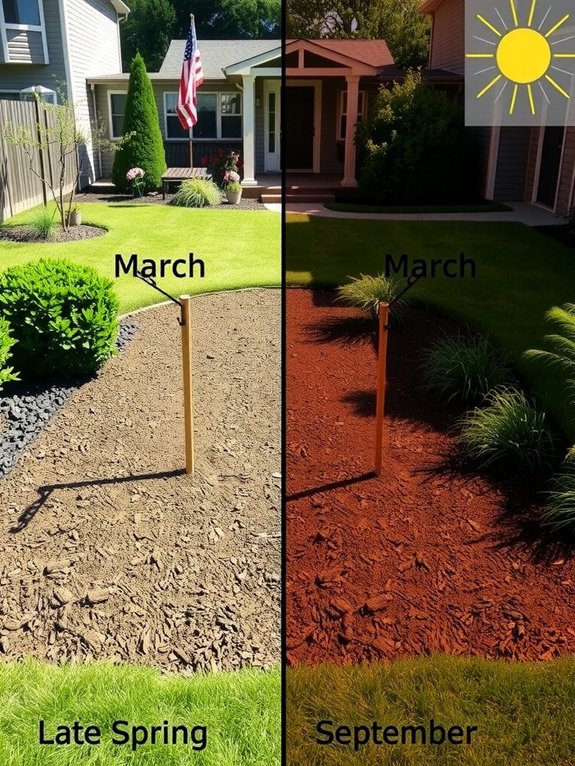
Choose the Right Garden Location and Sun Exposure****
Where you position your garden matters more than you might realize. Even moving your plot a few feet can shift you from decent production to struggling with shade all season. Since sun exposure directly affects how well your tomatoes, peppers, and squash perform, you’ll want to pick your spot with real thought.
Garden placement is critical—even a few feet of difference can mean the difference between thriving plants and struggling in shade all season.
Look for a location that gets at least 6 hours of direct sunlight daily, ideally between 10 am and 6 pm. Before you commit to a spot, spend a few days observing how sunlight moves across your yard at different times. This confirms you’re actually getting the exposure you think you are.
If you’re growing tomatoes, consider positioning them against a warm house wall. The wall reflects heat back to the plants, which helps them get established faster and produce earlier in the season.
Make sure your chosen location falls within Ohio’s plant hardiness zones 5 or 6. This matters because it determines when your last frost date occurs and how much frost protection you’ll need to give your seedlings when you transplant them in spring.
Soil, Water, and Container Care for Ohio Gardens
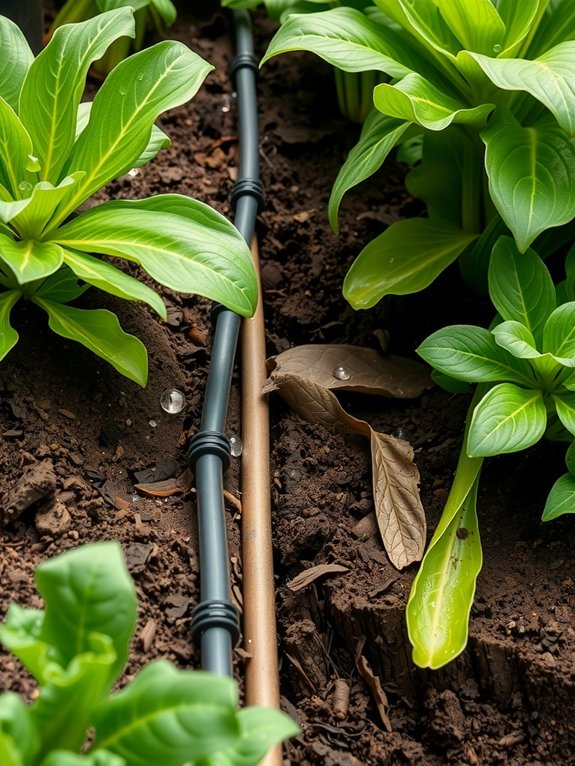
Once you’ve picked your garden’s location and know it gets enough sun, you need to focus on three key areas: soil, water, and containers. These are where you’ll set yourself up for success or run into problems.
Start improving your soil in the fall by mixing in manure, compost, and leaves. Plant cover crops like winter rye at the same time to build up nutrients in your beds before spring arrives. This groundwork makes a real difference when it’s time to plant.
For containers, stick with pots that are at least 12 inches across. Drainage holes are non-negotiable—without them, water sits around the roots and causes rot. When you’re watering, go deep rather than shallow. Aim for more than an inch of water per week, either from rain or from you. Water early in the morning so the leaves dry out during the day, which cuts down on disease problems.
Keep Ohio’s frost dates in mind as you plan everything else. Your growing season runs about 170 days between your last spring frost and your first fall frost. Understanding when these dates hit in your area means you’ll make better decisions about what to plant and when to plant it.
Frost Protection and Safe Planting: Beat the Spring Freeze
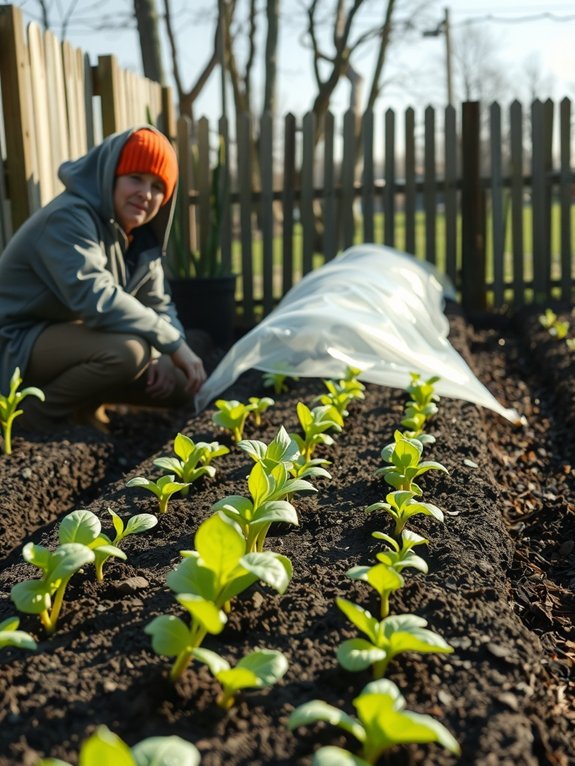
Why do gardeners in Ohio spend weeks preparing seedlings indoors only to watch them blacken overnight when an unexpected freeze arrives in late April?
You’re not alone in this frustration. Ohio’s zones 5 and 6 present real challenges, with roughly 10% of frost events occurring outside typical windows—particularly through May. Successful transplanting requires strategic frost protection.
Start by hardening off your seedlings gradually over 7-10 days before moving them outdoors permanently. This adjustment period helps them handle temperature swings. At the same time, monitor your local forecasts rather than relying solely on average last frost dates. Those averages don’t account for the late freezes that happen regularly in your region.
When cold snaps threaten, you have practical options. Deploy plastic or fabric coverings to create protective barriers around your plants. You can also place water-filled bottles around seedlings—they absorb heat during the day and radiate it back during freezing nights. Time your tomato transplanting around May 15 in Central Ohio, which aligns with regional frost patterns and gives you a safer window.
These practices transform frost protection from reactive panic into deliberate strategy based on what actually happens in your area.