
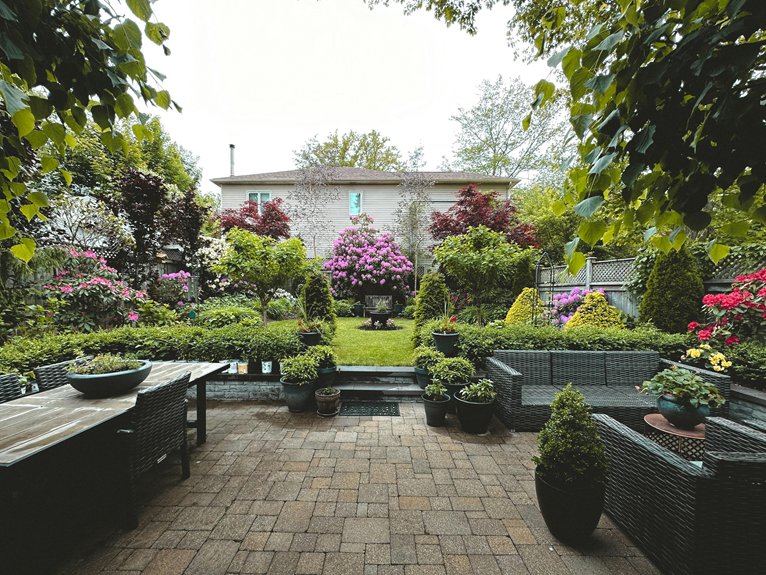
You’ll need a permit for most substantial landscaping work. Minor projects—planting trees or adding decorative elements under 2,500 square feet with no grade changes deeper than 24 inches—typically don’t require one.
However, you will need approval if your project involves grading beyond five feet, retaining walls over two feet, fences exceeding your local height limits, or any utility connections. If your property is near water, you’ll also need to meet Resource Protection Area requirements, which add another layer of review.
Skipping the permit process when you need one comes with real consequences. You could face fines, stop-work orders that halt your project mid-way, and unexpected problems later when you try to sell your home. Lenders and title companies often uncover unpermitted work during transactions, which can delay or complicate your sale.
The key is figuring out whether your specific project crosses the threshold into permit territory. Once you understand what you’re working with, you’ll know whether you can move forward or need to go through the application process.
Common Backyard Projects That Don’t Require a Permit
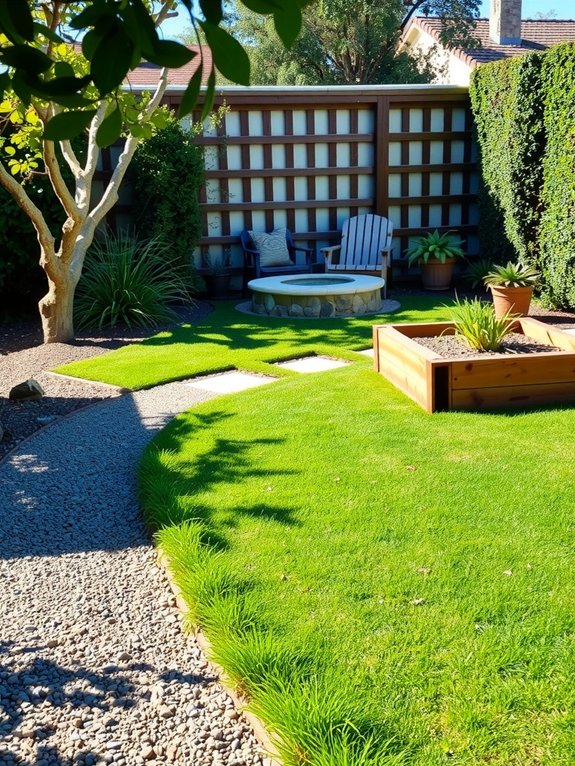
So you’re wondering what you can actually do in your yard without dealing with permits. Good news—plenty of landscaping work falls into permit-free territory. You can plant trees, shrubs, and flowerbeds without any approval as long as your soil disturbance stays under about 2,500 square feet and you’re not making grade changes deeper than 24 inches.
Hardscape elements like benches, planters, bollards, bicycle racks, and decorative rocks are fair game too. You can install these up to 4 feet tall without any permitting hassle, as long as they don’t have electrical or plumbing connections attached. Minor excavation work up to 5 feet deep on your property also stays permit-free, which gives you solid room to work with grading projects. These projects represent straightforward ways you can make real improvements to your outdoor space without jumping through regulatory hoops.
How Much Grading Requires a Permit
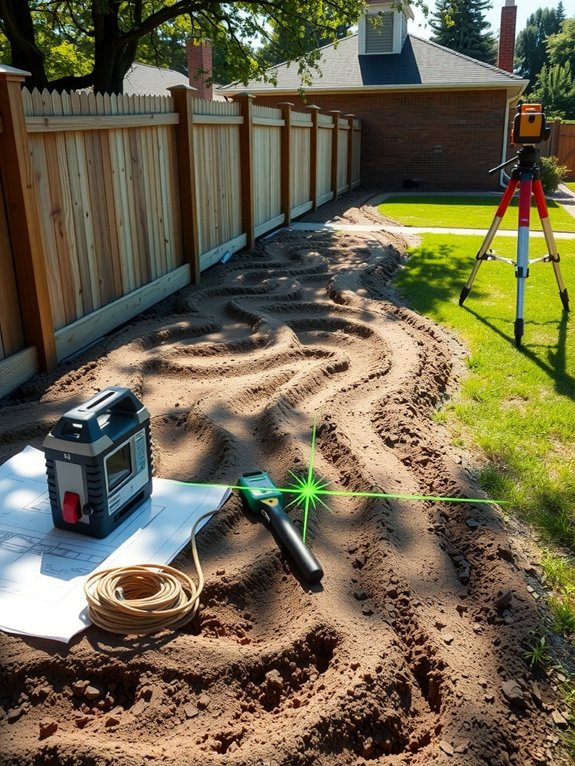
The depth at which you need a permit depends mostly on where you live, but there’s a general rule that applies across most places: if you’re digging deeper than 5 feet below your current ground level, you’ll probably need official approval. Some areas have stricter rules, especially if your work is close to buildings or public roads.
Beyond that 5-foot baseline, permits become more important when your grading changes how water drains from your property, affects how stable your slopes are, or gets near important utilities and infrastructure. Many municipalities add extra requirements for any excavation between 5 and 10 feet deep, particularly if you’re working within a certain distance from existing structures.
Since rules change from one county or city to the next, your best move is to contact your local building department directly. They’ll tell you exactly which grading projects in your area need permits and inspections before you start digging.
Landscape Features That Always Need a Permit
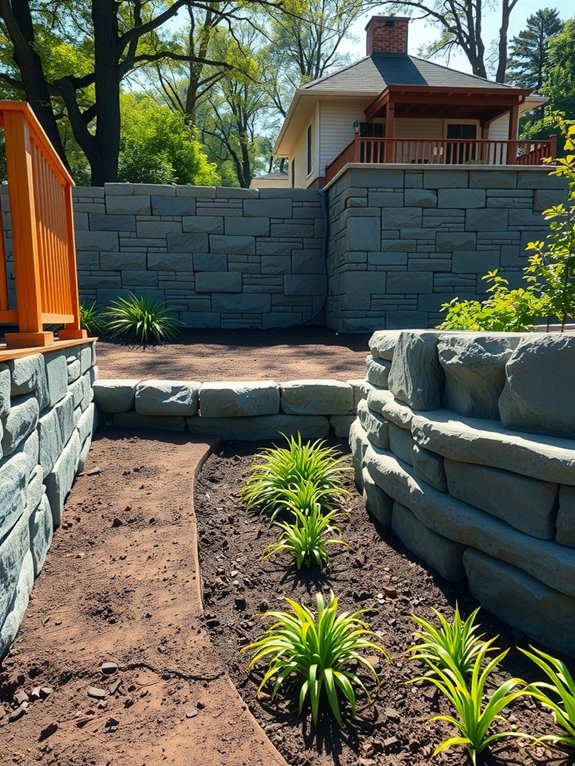
Some backyard improvements fall squarely into permit territory—there’s no debate about it. These projects involve structural safety, public welfare, or utility systems that your local municipality has to oversee, regardless of where you live.
Let’s start with retaining walls. If you’re planning one that goes higher than two feet, you’ll need a permit. That’s because taller walls carry serious load stress and can fail if they’re not built correctly.
Fences also have height limits that trigger permit requirements. In your front yard, you can’t go above four feet without getting approval. Backyard fences can reach six to seven feet, but anything taller needs a permit since height affects sightlines and how your neighborhood looks overall.
Any work involving electrical, plumbing, or gas lines requires a permit without exception. These systems are safety-critical, and municipalities demand professional inspection to catch potential hazards before they become problems.
Adding a swimming pool and deck is another automatic permit situation. The complexity and safety considerations around pools mean inspectors need to review your plans and completed work.
Finally, the footers that support your walls or deck posts need permit approval too. These foundation elements have to meet specific code standards, and inspectors will verify the work was done properly.
Permits for Waterfront Properties and Protected Trees
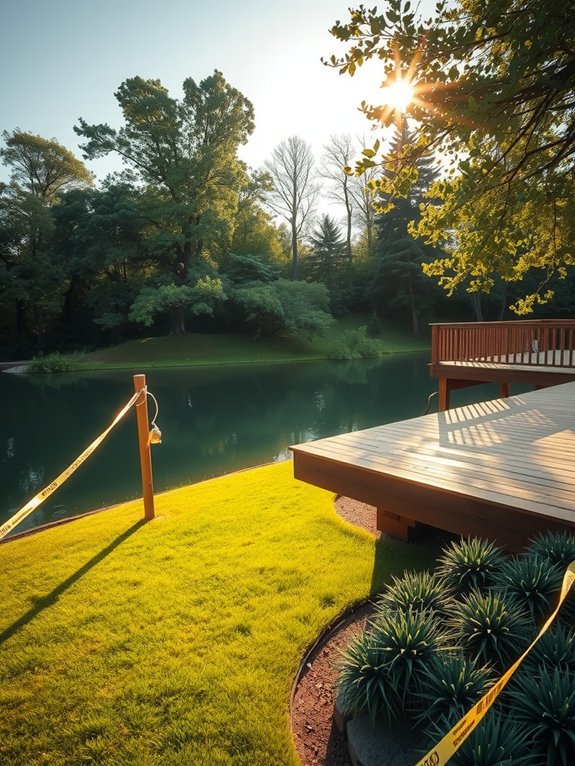
If you’re planning landscaping near water—whether that’s a lakefront, river, or coastal property—you’ll need to deal with Resource Protection Area (RPA) requirements. These zones require site surveys and regulatory oversight that goes beyond standard permits. The reason these protections exist is straightforward: vegetation removal and soil disturbance in these areas directly affect water quality, erosion control, and aquatic habitat.
You’ve probably noticed mature trees on your property that look different from younger growth. That instinct is worth paying attention to. Protected or mature trees require removal permits in most jurisdictions. If you proceed without approval, you’re looking at substantial fines and mandatory replanting obligations—costs that will far exceed what you’d spend on getting the permit upfront.
Before you start any work involving shoreline stabilization, bulkheading, tree removal, or structure installation in your water-adjacent zone, reach out to your local coastal or watershed authorities. This step confirms which specific permits apply to your property and helps you avoid costly violations.
Resource Protection Area Requirements
When you’re planning landscaping work near water—whether that’s a shoreline, stream, wetland, or designated waterway—the permitting rules change significantly. What might seem like a simple backyard project becomes more complex because of Resource Protection Area, or RPA, regulations.
RPAs require site surveys with formal delineation before you start any work. This triggers stricter permitting and review processes than standard properties need. You’ll probably need landscape professionals or environmental consultants to handle compliance, especially if you’re removing or changing vegetation. These specialized permits focus on erosion control and environmental protection standards, which means your costs will likely exceed basic permitting expenses.
Authorities take RPA work seriously because waterfront disturbance affects the local ecosystem. They’ll examine your project carefully to make sure you’re following environmental standards. Knowing these requirements ahead of time helps you understand the actual scope of your project and plan your budget accordingly.
Protected Tree Preservation Laws
How many trees on your property actually have legal protection? The answer might surprise you. Trees in waterfront or conservation zones typically require permits before you remove them or cause significant disturbance. These regulations exist to prevent erosion and maintain environmental benefits in your area.
Before you decide to cut down that mature oak or maple, you need to check whether your local ordinances classify it as protected. Many jurisdictions require permits even for pruning that goes beyond routine maintenance. Fines or replanting requirements can get expensive, so it’s worth understanding the rules first.
You have options beyond removal. Strategic pruning, relocating the tree, or installing protective barriers often meet regulatory requirements while still letting you achieve what you want with your landscape. A landscape architect can help you figure out whether you need a permit and what compliant choices work for your specific situation and property.
Steps to Apply for a Landscaping Permit
Once you’ve determined that your project requires a permit, you’ll need to check what your local building or zoning department specifically asks for. Requirements vary by location and project size, but you’ll typically need detailed site plans, a project description, and proof that you own the property.
As you gather these materials, include any engineering drawings or contractor credentials your department requires. If your landscaping involves grading or hardscaping that could change how water flows on your property or your neighbor’s land, drainage plans become especially important. Pay close attention to this part of your application since it directly affects compliance.
When you’re ready, submit your complete application package along with the required fees to your local permitting office. The staff there will review your plans to make sure everything meets safety codes and zoning regulations. Once you receive your approved permit, keep it on-site throughout the entire project—it’s a legal requirement.
Research Local Requirements
Before you start your backyard landscaping project, you need to check what your local jurisdiction requires. This step is easy to overlook, but it’s genuinely important to get right.
Most areas use similar thresholds: disturbing more than 2,500 square feet of soil or changing grade by more than 24 inches usually means you’ll need permits. Your specific location might have different rules, so call your city or county building department directly. They’ll tell you exactly which permits apply to your project.
Simple plantings typically don’t require permits at all. However, if you’re adding structures or modifying drainage, you’ll need to look more carefully into what’s required. A landscape architect can help you understand these requirements and handle the paperwork with local authorities.
Taking care of this upfront prevents expensive delays and keeps your project on track legally.
Prepare Required Documentation
What separates a smoothly approved permit from a frustrating back-and-forth with your local building department is preparation—specifically, assembling the right documentation before you submit anything.
You’ll need site plans, project descriptions, and design layouts that reflect current regulations and permit requirements. Gather zoning and building department forms alongside your property survey. Then detail any retaining walls, fences, or hardscape elements you’re installing on your property.
A landscape architect proves valuable here. They can help you compile paperwork that anticipates code questions and neighboring property concerns. Include notes explaining how your project complies with local standards. This documentation foundation—thorough and precise—positions you as someone who understands the process, transforming what could be bureaucratic friction into straightforward approval.
Submit Application and Fees
Your documentation—site plans, design layouts, and compliance notes—now has a clear job: getting your application to the right municipal reviewer. You’ll submit your permit application however your municipality prefers: online portals, in-person delivery, or mail. Each method has its own advantages depending on your situation.
At the same time you submit, you’ll pay the applicable fees. These fees vary based on your project’s size and what your jurisdiction requires. Before you submit anything, check the exact fee amounts for your specific landscaping work. This step prevents expensive mistakes down the line.
Keep detailed records of both your submission and your payment confirmation. Once your permit gets approved, it becomes your on-site credential—proof that you’re proceeding legally and required during any inspections. Don’t start work before approval arrives. Beginning prematurely brings penalties that you’ll want to avoid entirely.
Consequences of Skipping Permits on Your Landscaping Project

Skipping the permit process might seem like a time-saving shortcut, but it’s a decision that can unravel quickly once local authorities discover unpermitted work—and they often do, whether through neighbor complaints, property inspections, or routine code enforcement.
The financial and legal consequences are serious. You’ll face significant fines calibrated to your project’s scope, and local authorities can issue stop-work orders that halt your progress immediately. If violations are discovered, you may face mandatory work reversal that restores your property to its original state, along with potential legal action forcing you to undo everything you’ve built.
Beyond immediate enforcement penalties, unpermitted projects create lasting problems for your property. Future inspections reveal non-compliance, which jeopardizes your ability to complete additional renovations and complicates property sales. Unauthorized work also complicates insurance coverage and creates liability exposure if safety codes or zoning violations emerge later.
The permitting process, while initially inconvenient, ultimately protects your investment and legal standing. Taking the time to get permits upfront prevents these cascading problems down the road.