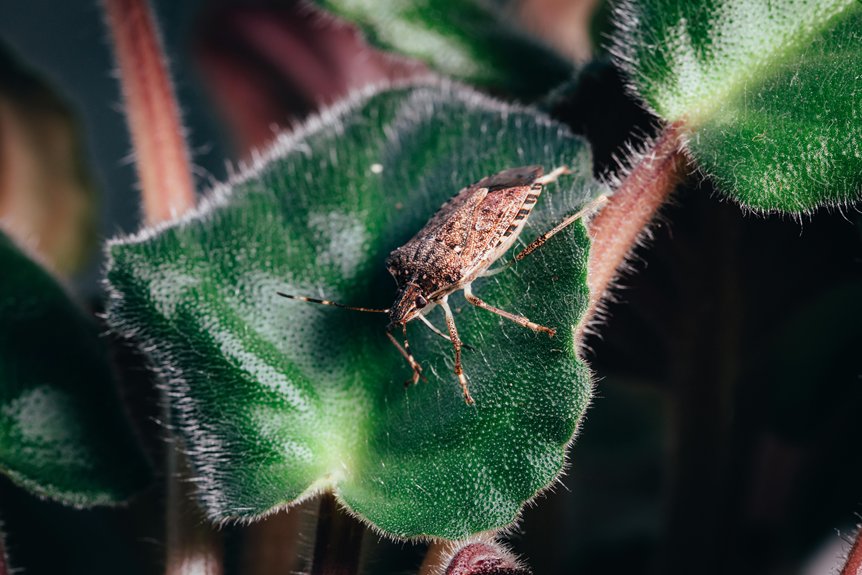
You’ll get rid of houseplant bugs for good by taking action in the right order. Start by moving any infested plants away from your other houseplants right away. Look closely at the undersides of leaves and check the soil to figure out what kind of pest you’re dealing with.
Once you know what you’re up against, remove the bugs and eggs you can see by wiping down the plant thoroughly. After that, pick a treatment based on how bad the infestation is. If you only see a few insects, manual removal might be enough. For moderate problems, use insecticidal soap. If the soil is heavily infested, replace it completely.
You’ll need to retreat every 7 to 10 days for two to three weeks since eggs will hatch after your first treatment. While you’re doing this, help your plant bounce back by watering it properly, giving it the right amount of light, and feeding it when needed. Better air circulation around your plants also helps prevent bugs from returning.
When you bring new plants home, inspect them carefully before putting them near your existing collection. Sometimes a plant with a stubborn pest problem isn’t worth saving. If something keeps coming back despite your efforts, it might be time to throw it out rather than risk spreading the problem to healthier plants.
Isolate the Infested Plant Immediately
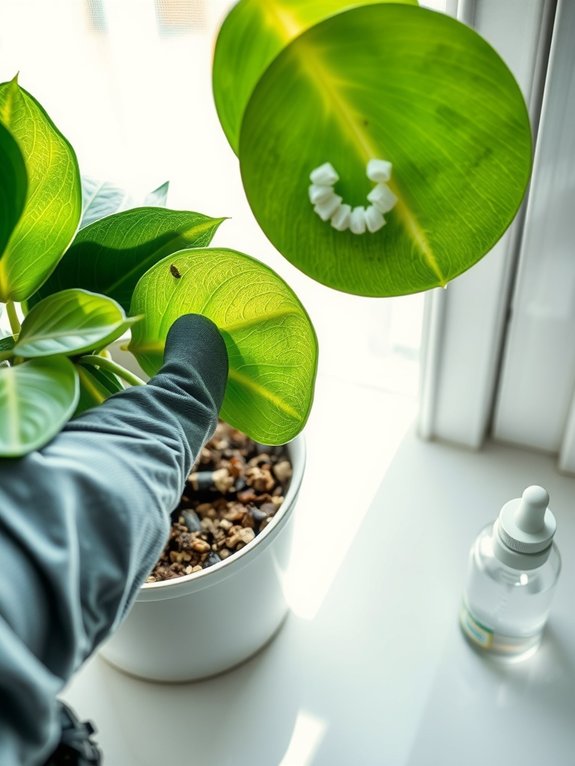
When you find bugs on a houseplant, your first move is to physically separate it from your other plants right away. Move it to a different room or a sealed space where pests can’t spread through shared air, contaminated tools, or the way you naturally move around your home.
Keep the plant isolated for about a week. This quarantine period lets you watch the pest activity up close while protecting your healthy plants from getting infested too. While it’s in isolation, pay attention to what you’re seeing—honeydew residue, webbing, clusters of nymphs—and write down your observations. These details help you figure out exactly what pest you’re dealing with so you can pick the right treatment.
Don’t move the plant back to where your other plants are until you’ve finished treating it completely. This separation might feel like an extra hassle, but it’s your strongest protection against the infestation spreading throughout your whole collection.
Identify the Pest and Assess Damage Severity
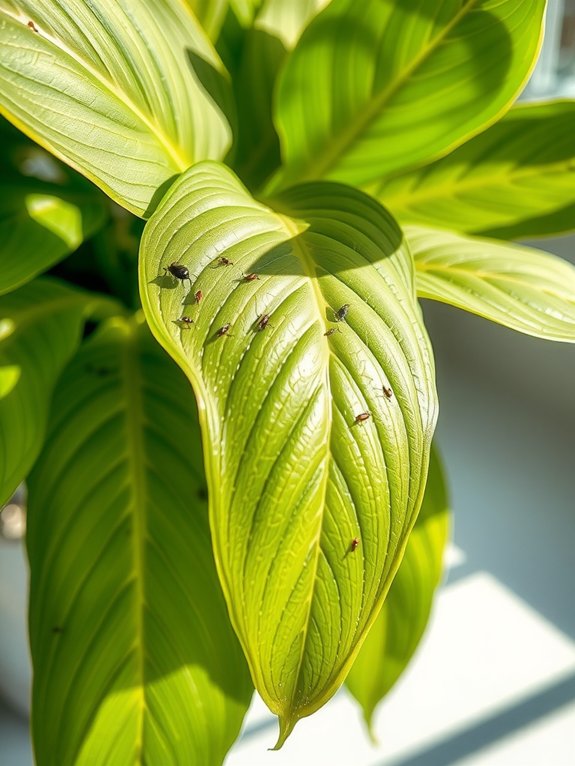
You’ll need to get up close with your plant to figure out what pest you’re dealing with. Check underneath the leaves, in the spots where leaves connect to stems, and around the soil surface—these are the places where pests like to hide. Look for soft-bodied aphids that leave behind sticky honeydew, cottony mealybugs, shield-shaped scales stuck to stems, fine spider mite webs with yellow spots, or tiny gnats hanging around in wet soil.
Once you know what you’re up against, take a step back and look at how bad the damage actually is. Check for signs that the pest is actively feeding, like honeydew and sooty mold on the leaves. Notice if new growth looks twisted or stunted, if leaves are dropping off, or if you see webbing and discolored patches on the leaves. These signs tell you how fast the pest population is probably growing and spreading through your plant.
Knowing both what pest you have and how serious the infestation is will point you toward your next move. A smaller problem might respond well to targeted treatments you can apply yourself. But if the damage is widespread and the infestation is really taking over, you might need to decide whether it’s worth trying to save the plant or if it’s better to get rid of it and start fresh.
Common Pest Identification Signs
Pest detection—that moment when you notice something’s off with your plant—means learning to spot what each pest leaves behind. Mealybugs show up as white cottony clusters under leaves and in crevices, though they also hide in roots where you won’t see them right away. Spider mites are tiny eight-legged creatures that cause yellow stippling on leaves, which can spread until entire leaves turn yellow. You might also see thin webbing, which tells you these pests like your home’s dry indoor air. Fungus gnats are different. You’ll notice tiny flying adults around your pots while their larvae damage roots in the wet soil underneath. Each pest has its own calling card, and catching these signs early helps you stop infestations before they get out of hand.
Damage Assessment And Severity
Once you spot signs of infestation, the next step is figuring out what pest you’re dealing with and how much damage it’s done. This assessment is what guides everything you do next.
Start by identifying which pest is present. Aphids leave behind sticky honeydew and black sooty mold. Spider mites create tiny yellow dots on leaves. Mealybugs produce white, cottony clusters where leaves meet stems. Scale insects and fungus gnats each need their own treatment approach.
Next, evaluate how serious the damage is. Minor leaf discoloration tells a different story than stunted growth or destroyed roots. The damage level determines how quickly you need to act.
Look at symptoms beyond what’s visible on the surface. Pay attention to whether leaves are dropping off, if your plant isn’t flowering like it should, or if new leaves look twisted or warped. Combining the actual pests you can see with the plant problems you observe gives you the information you need to pick the right treatment. This detailed approach means you’ll treat the real problem instead of wasting time and resources on something that won’t help.
Clean Your Plant, Soil, and Surfaces to Remove Pests and Eggs
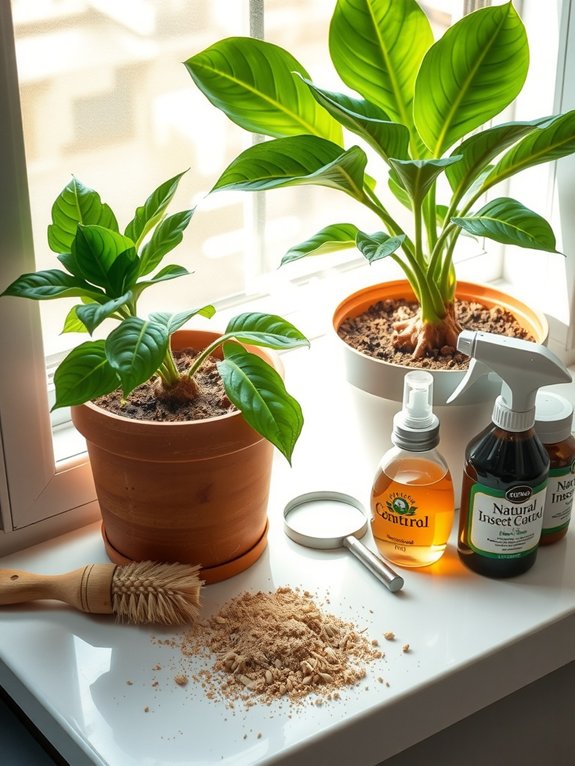
Before you can treat an infestation effectively, you need to isolate your affected plant from the healthy ones nearby. This stops the pests from spreading to other plants in your collection while you tackle the cleaning process. Start by removing the pests and eggs you can actually see. Rinse the leaves thoroughly with water, then wipe them down with a cotton ball soaked in alcohol to get rid of insects that won’t come off easily. Pay close attention to the pot rim and drainage holes since pests like to hide in these spots. Replace the top inch of potting soil to break up their breeding cycle. When it makes sense for your plant, you can submerge the pot in water or use bottom-watering to push remaining pests out from deeper in the soil. Once you’re done with the plant itself, wipe down any nearby hard surfaces and the tools you used with care. This prevents the pests from coming back as you work toward getting rid of them completely.
Choose Your Pest Treatment by Severity
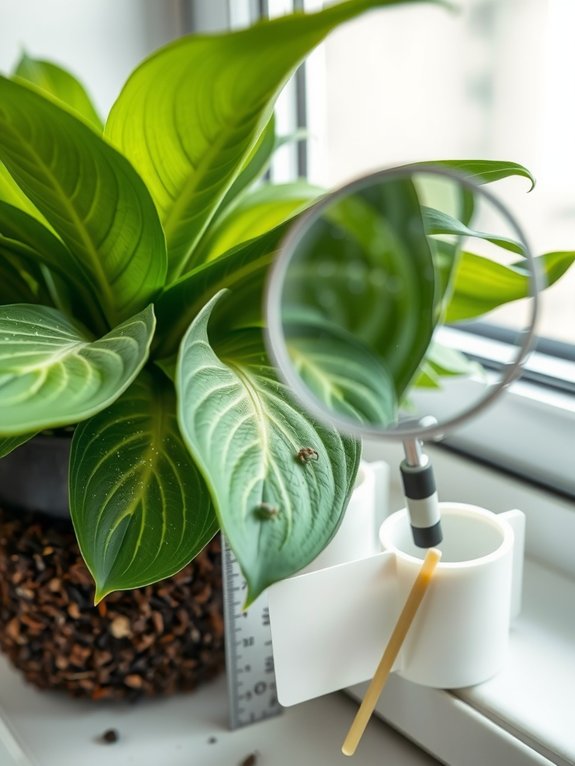
Light Infestations
When you catch pests early, your best move is to remove them by hand and separate the plant from your other houseplants right away. Wash the leaves thoroughly and dab affected areas with rubbing alcohol. This simple approach works well for mild cases and stops the problem from spreading.
Moderate Infestations
If you’re dealing with more pests, you’ll need to step up your efforts. Start by cleaning the plant thoroughly, then replace the top layer of soil. Follow this with repeated applications of insecticidal soap, making sure you hit the undersides of leaves and along the stems where pests like to hide. You’ll likely need to spray every few days over a couple of weeks to catch new pests as they emerge.
Severe Infestations
When gentler methods haven’t worked, consider replacing most or all of the soil in the pot. In extreme cases, you might need to submerge the entire plant in water to eliminate stubborn infestations. These stronger tactics are worth considering only when you’ve already tried the milder approaches without success.
Ongoing Monitoring
Once you’ve started treatment, keep watching your plant regularly. Pest eggs and young crawlers can show up again after you’ve dealt with the first wave, so plan to check your plant weekly for the next month or two. Matching your treatment level to what you actually see on the plant prevents unnecessary damage while still getting rid of the problem completely.
Apply Manual Removal or Targeted Sprays
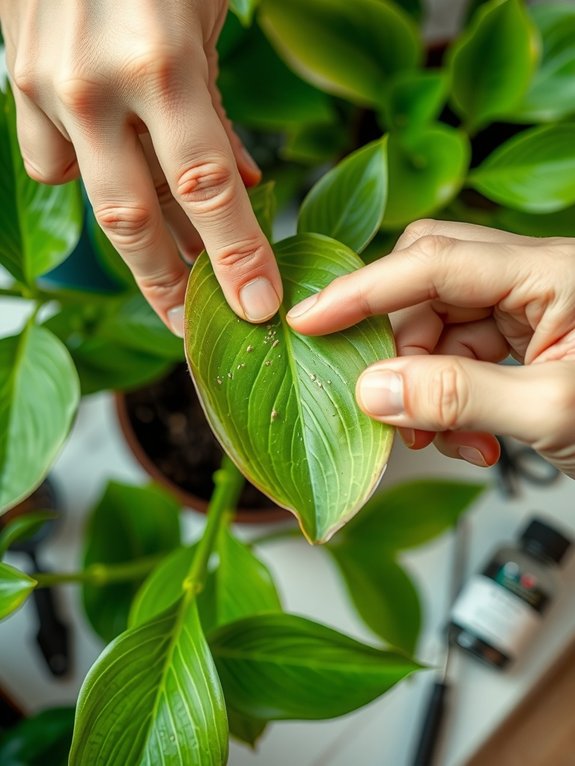
After you’ve figured out which treatment tier your plant needs, you can start actively controlling the pests. This involves two main steps that work together: removing pests by hand and using targeted sprays.
Manual removal: Pick pests off your leaves or wipe them away with your fingers. For smaller infestations, dip a cotton swab in rubbing alcohol and dab it directly on the affected spots.
Water spray: When you can, rinse the pests off with water. After you do this, move your plant away from your other plants right away so the pests don’t spread.
Targeted sprays: Use insecticidal soap or neem oil and make sure you coat both the top and bottom of your leaves. You’ll need to spray again every 5 to 7 days to keep working on the problem.
Apply these treatments when it’s cooler outside—early morning or late afternoon works well. This timing helps you avoid burning your plant’s leaves while getting better results. Watch your soil for pests that drop down as they die. If you keep seeing them fall, you know the infestation is still active and you need to keep treating it. This step-by-step approach tackles the immediate problem while keeping your plant safe.
Monitor Weekly and Retreat as Needed
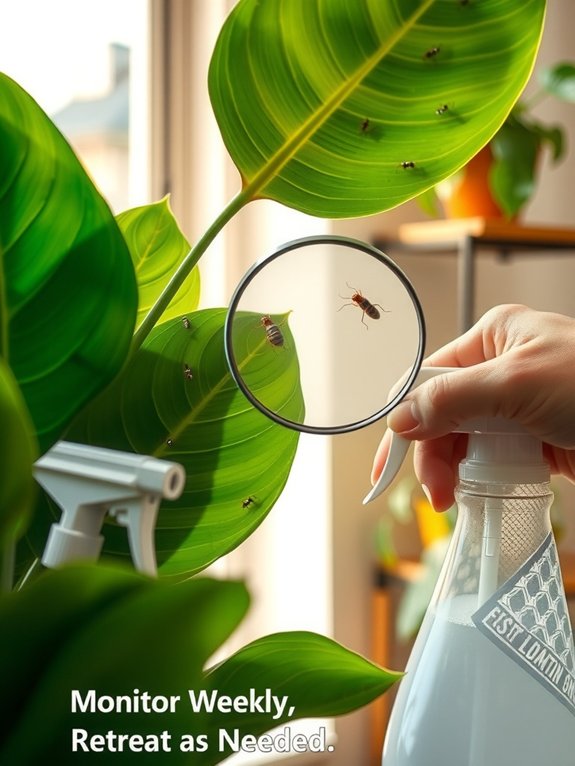
Check your plants once a week by looking under leaves, examining new growth, and scanning the soil surface for sticky residue, webbing, or actual bugs. Catching pests early keeps them from getting out of hand.
Plan to retreat every 7 to 10 days for at least two to three weeks, no matter which method you pick—manual removal, soapy water spray, or Neem oil. Most insects lay eggs that hatch after your first treatment, so one application won’t do it.
Keep notes during each inspection. Write down which pests are still around, where they’re showing up most, and how your plant is responding to what you’re doing. This record tells you what’s actually working and what needs to change. You’ll spot problems like resistance or reinfestation before they take over.
Establish Consistent Observation Habits
Because pests establish themselves quietly—often in numbers too small to notice until damage becomes visible—a structured weekly inspection routine becomes your most reliable defense against infestations. You’ll develop an observational eye that distinguishes normal plant behavior from pest activity by examining houseplants consistently.
Create this foundation through three key practices:
- Check leaf undersides and new growth weekly using a bright flashlight, where aphids, scale, and mealybugs typically hide before spreading.
- Document findings in a notebook or notes app, establishing a baseline that reveals patterns and infestation progression over time.
- Isolate affected plants immediately and recheck within three to seven days, confirming whether your treatment worked or requires adjustment.
This deliberate approach moves inspection from reactive emergency into preventive routine—the difference between catching problems early and fighting established colonies.
Repeat Treatment Cycles Strategically
Your weekly observation habit reveals something that initial treatments often don’t: pest populations won’t disappear with just one application. Eggs laid before you started treating will hatch after your first spray, so you’ll need repeat treatment cycles to actually get rid of the infestation.
After each application, monitor weekly and document what you’re seeing. Keep track of visible pest reductions and watch for any signs of rebound—those unexpected clusters that suggest some pests survived or new ones are hatching. This tracking tells you when to retreat and helps you avoid both giving up too early and spraying too much.
Mix up your methods across different cycles. You might use manual removal first, then soap sprays, then neem applications. Adjust your concentrations if you notice the plant getting stressed. The key is rotating approaches rather than using the same one repeatedly.
Write down everything as you go: pest activity, plant health, how the plant responds to sprays. Your personal record becomes a guide for tweaking your approach based on what actually works for your situation. This methodical, documented approach turns pest management from guesswork into something you can repeat and rely on.
After Treatment: Rebuild Your Plant’s Strength
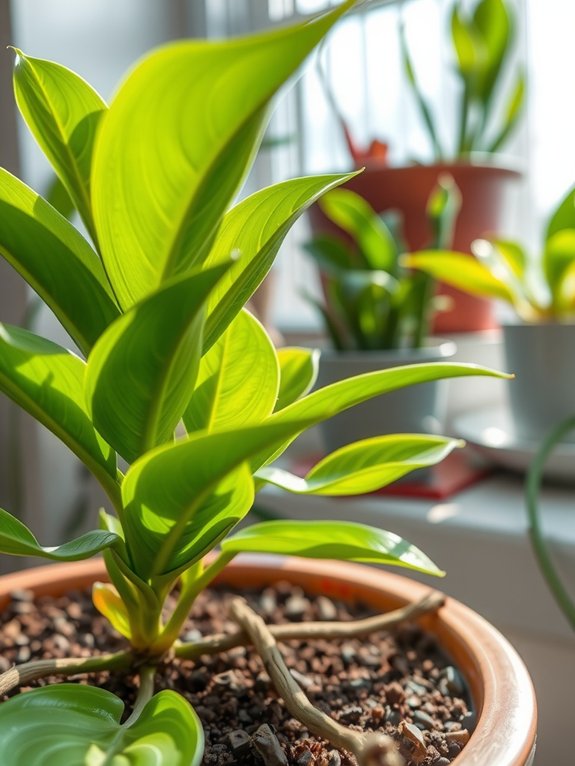
After Treatment: Rebuild Your Plant’s Strength****
Once you’ve successfully eliminated the pest population through your chosen treatment method, the actual recovery work begins. Many people assume their plant’s problems are over at this point, but that’s when plants often struggle most without the right support.
Your plant needs steady, deliberate care to bounce back fully. Here’s what matters:
Watering and Light
Water your plant consistently based on what your specific species needs. Overwatering is a common mistake that weakens recovering plants. At the same time, give your plant the light it requires for its type. Good light helps your plant rebuild strength through photosynthesis.
Soil and Nutrients
Use nutrient-rich soil as the foundation for recovery. This gives your plant what it needs to regain vigor after pest damage.
Temperature Stability
Keep temperatures steady around 60°F and higher. Stable conditions reduce the chances of pests coming back while your plant focuses its energy on healing. When you combine proper watering, appropriate light, and good nutrition, your plant can recover without extra stress. This slower, steadier approach works because it creates an environment where pests can’t easily establish themselves again.
Avoid Bringing Pests Home: Inspect and Quarantine New Plants
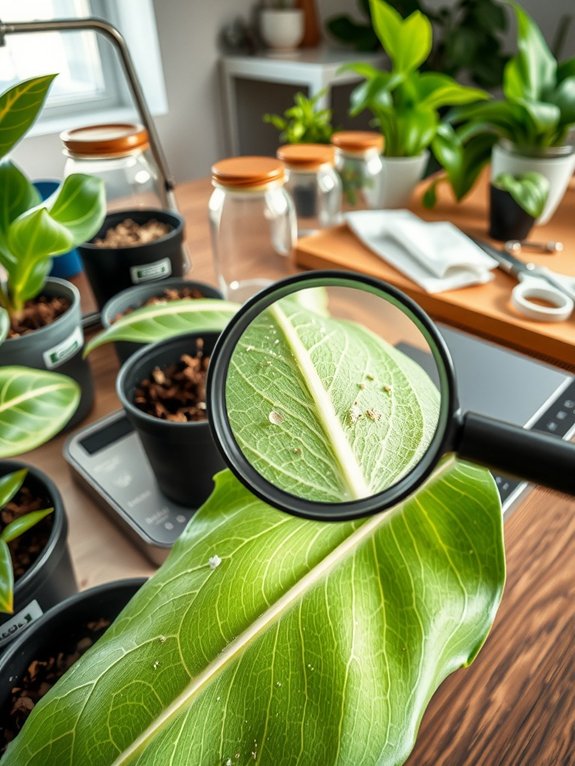
When you bring a new plant home, start by checking it thoroughly. Look at both sides of the leaves, along the stems, and around the soil line—these are the spots where pests like to hide.
Keep your new plant separate in its own room or a sealed space for about a week. During this time, watch for warning signs like yellowing leaves, curling, or bugs you can actually see. If you notice something off, put a leaf or stem in a sealed plastic bag so you can figure out what pest you’re dealing with instead of just guessing at how to treat it.
After a week passes without problems, you can move the plant in with your other houseplants. Keep paying attention to it for a bit longer, since catching any issues early stops them from spreading to your whole collection.
New Plant Inspection Protocol
How many times have you brought home a plant that looked completely healthy, only to find out weeks later that it brought spider mites, mealybugs, or scale insects into your whole collection?
A good inspection routine stops this from happening. Before you buy or bring a plant home, check it carefully:
- Look at both sides of the leaves, the stems, and the soil for honeydew residue, webbing, or cottony patches that show active pests.
- Keep suspected plants in a separate room for a week so they don’t come into contact with your other plants while you watch them.
- If you notice anything off, put a leaf or stem sample in a sealed plastic bag so you can figure out what pest you’re dealing with.
This approach takes patience, but it protects the plants you’ve already worked to keep healthy and prevents you from dealing with an infestation across your entire collection.
Quarantine Period Best Practices
Whether you’ve spotted a pest during your initial inspection or you’re being cautious—which makes sense—the quarantine period is your chance to stop an infestation before it takes hold or confirm your new plant is actually pest-free. Keep your new plant isolated in a separate room or sealed space for about one week. During this time, check it regularly for signs you might have missed: honeydew residue, webbing, crawling insects, or cottony masses.
Here’s something important: don’t share tools or pots between quarantined and established plants. Even moving a tool from one plant to another spreads pest risk across your whole collection. If you find pests, treat the plant right away or get rid of it before the problem spreads to your other plants. This deliberate waiting period protects everything you’ve already grown.
Control Your Environment to Stop Pests
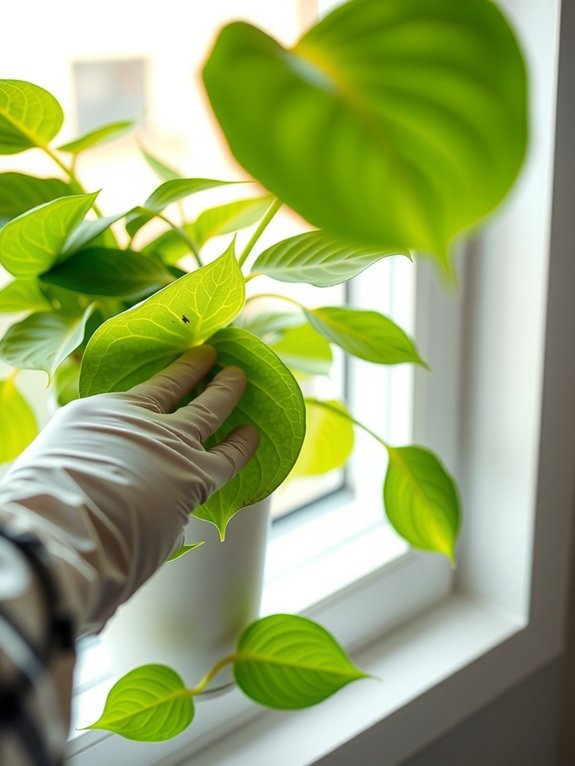
Environmental factors like humidity, air movement, soil moisture, and light quality directly affect whether pests will thrive or struggle in your home. When you control these conditions, you’re essentially removing the welcome mat that pests need to set up shop.
Here’s what you can do:
Adjust your humidity and air flow. Pests have a much harder time surviving in well-ventilated spaces with adequate moisture. A fan running regularly, combined with misting or a humidifier, creates an environment where insects can’t get comfortable.
Move plants outside during summer months. Natural predators will help manage any pest populations. When you bring plants back inside, wash down your indoor areas thoroughly to break any infestation cycles before they restart.
Start fresh with your soil. Use new potting mix in clean containers, and let the soil surface dry out between waterings. This removes the damp breeding grounds that pests depend on.
Support your plants with consistent light. Strong plants fight off pests better than weak ones. Make sure your plants are getting the light they need to stay healthy and resilient.
Once you’ve completed any quarantine period, these environmental changes create conditions where pests simply can’t establish themselves. The goal is making your space naturally hostile to the insects you don’t want around.
When to Give Up and Toss the Plant
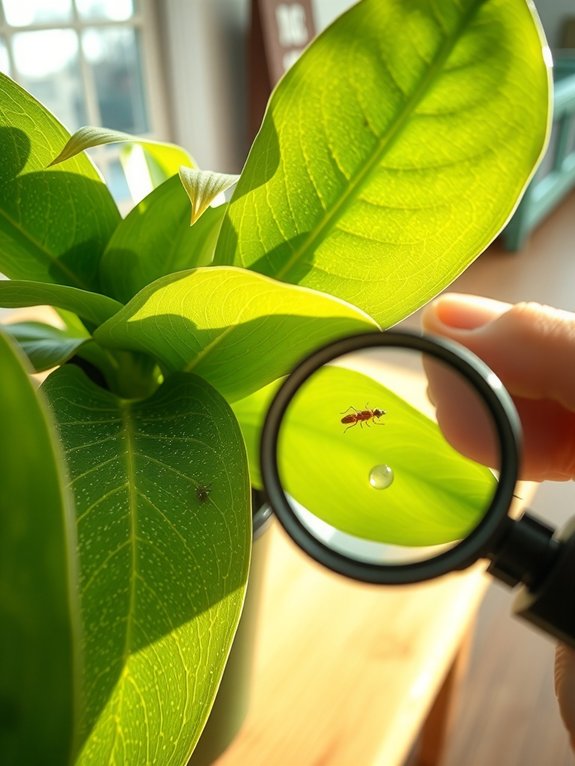
At some point, you’ll face the reality that continuing to treat a plant simply isn’t worth your time and energy—especially when it risks harming your other plants. If you’ve been spraying repeatedly for weeks, tried systemic insecticides, and kept the plant isolated but still see no real improvement, you’re probably dealing with a situation you can’t fix.
Certain signs tell you it’s time to let go. Widespread root rot, leaf damage from treatments, or pest populations that resist everything you try all point toward removal. The same goes if the infestation has spread to nearby plants despite your isolation efforts. When your repeated attempts produce no measurable change, discarding the plant actually protects the rest of your collection.
Accepting this decision stops you from wasting energy on treatment cycles that won’t work. Removing a plant that can’t be saved is practical wisdom that keeps your indoor garden healthy overall.