
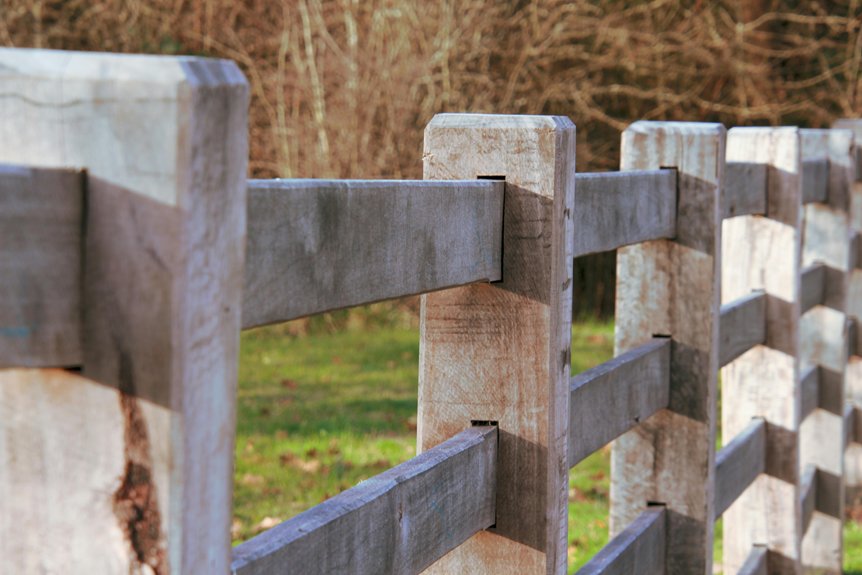
Your fence bill depends on material choice—wood costs least upfront but demands regular maintenance, while steel holds decades without replacement.
Height and linear footage multiply your material needs dramatically.
Uneven terrain and existing structures spike labor hours, so your site’s condition matters as much as your design choices.
Gates, permits ($20–$60), and seasonal timing shift costs further.
You’ll balance short-term spending against long-term durability when you’re deciding what makes sense for your situation.
Understanding how these factors interconnect reveals where your money actually goes.
Material Type Sets Your Base Price
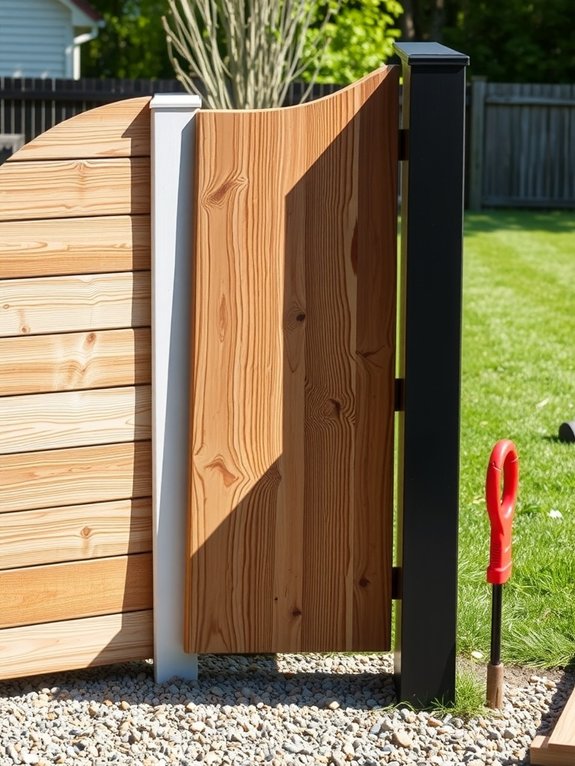
Why does your choice of fencing materials matter so much when you’re budgeting for that backyard project. Your fence type—whether you’re considering wood, vinyl, or aluminum—fundamentally determines what you’ll pay upfront and per linear foot. Wood fences typically offer the lowest initial price, making them attractive if you’re working with limited funds. Vinyl and aluminum cost more at the start but last longer with fewer problems down the road.
Prices for wood can shift unexpectedly due to supply and demand changes, like lumber shortages. Beyond what you pay to install the fence, you should think about maintenance costs over time. Wood needs regular treatment and repairs to stay in good shape, while vinyl basically takes care of itself. Aluminum falls somewhere in the middle for upkeep needs.
The real question is which material fits your budget both now and later. A cheaper fence that needs constant work might end up costing you more than a pricier option that stays solid for years with minimal attention.
Fence Height and Linear Footage Drive Material Needs
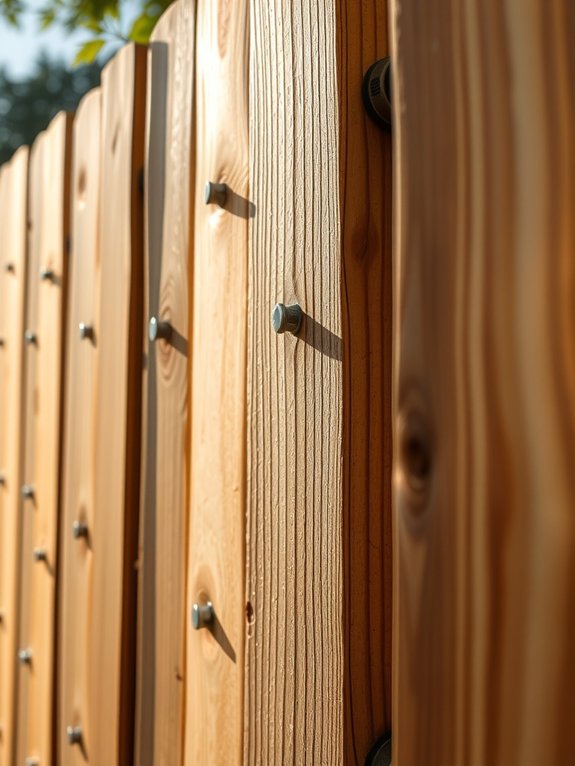
Height and linear footage are your two biggest cost drivers when building a fence. A 6-foot fence running 100 linear feet needs way more posts, rails, and fasteners than a 3-foot fence covering the same distance. The math isn’t straightforward though—when you go taller, you’re not just adding material vertically. You also need stronger posts and more horizontal supports to keep everything stable, which bumps up your cost per linear foot.
Your budget depends on how you combine these two measurements. Even a small increase in height or length can shift what you’ll spend, especially on longer runs where material quantities add up across the whole perimeter. A 4-foot fence instead of 3-foot, or an extra 50 linear feet, makes a real difference in your total material list.
Taller Fences Require More Materials
When you’re deciding how tall to build your fence, you’re making a choice that directly affects both your budget and the scope of work. Height and how many linear feet you’re covering are the biggest factors in how much material you’ll need and what you’ll end up paying.
Taller fences need stronger posts, better fasteners, and more horizontal supports to stay stable. As you go from a standard three-foot front-yard fence up to six or eight feet for a backyard, your cost per foot goes up. That’s because each additional foot requires heavier materials and more structural support. This isn’t just about buying extra boards or pickets—the engineering requirements change. You’ll need deeper foundations, different hardware, and longer installation time to handle the increased demands on your fence’s structure.
Linear Footage Determines Total Cost
Once you’ve settled on a height that works for your privacy needs and local codes, linear footage becomes your main cost driver. This is the measurement that turns your per-foot estimates into actual prices. Your perimeter length multiplies directly by your cost per foot, whether you’re installing a modest 50-foot section or enclosing a large backyard. Doubling your footage roughly doubles your material and labor costs.
Site conditions and terrain obstacles will adjust your per-foot pricing, making some yards costlier than others even when the lengths are identical. Your material choice—wood versus vinyl—also affects these calculations differently depending on your total perimeter. Before you contact contractors, figure out your exact linear footage. This step gets you accurate quotes that actually match your specific project.
Height And Length Combined Impact
Did you calculate your fence budget by just multiplying height times length and calling it a day? That method overlooks what actually happens when you bump up both dimensions at once. Your costs don’t climb at the same rate as your measurements—they jump faster than you’d expect. A six-foot fence running 100 linear feet needs way more material and labor than a three-foot fence covering the same distance. The larger footprint means you’re buying more panels, more posts, and more hardware across the whole project, and those expenses add up quicker than a simple math problem suggests.
Your property’s layout also affects the final bill. Corners, jogs, and uneven edges require custom cuts and extra work hours that push costs beyond what straightforward calculations would show. When you’re planning what to spend, factor in these multiplicative effects so you know what’s realistic and can budget accordingly.
How Uneven Ground and Obstacles Add to Labor
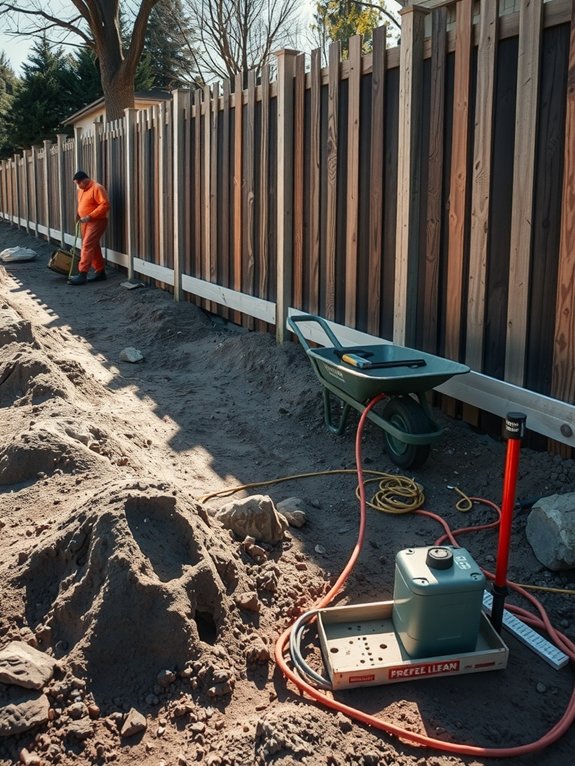
Uneven ground and site obstacles—rocks, trees, heavy vegetation, and existing structures—add real costs to your project. They’re not just minor inconveniences. When your yard slopes or has irregular boundaries with extra corners and jogs, contractors need to spend more time on careful planning and specialized work. Sometimes they’ll need to build custom fence sections with steps or angles to fit your land.
You have two main options here. You can pay to remove obstacles before the crew arrives, which reduces complexity and speeds up installation. Or you can let the contractors work around what’s there, which means paying them for the extra labor those complications require. The removal costs upfront might seem steep, but skipping them means paying for extended prep time and more difficult installation work instead. It’s a tradeoff worth calculating based on your specific situation and budget.
Terrain Complexity And Costs
Why does terrain matter so much when you’re budgeting for a fence? The answer is straightforward: uneven ground directly multiplies your labor costs through additional digging, grading, and stabilization work. When contractors deal with challenging terrain, they run into several specific problems that drive up the price.
Uneven ground requires extensive post foundations and grading before any fence work can begin. Sloped yards demand special techniques, extra materials, and longer project timelines. Obstacles like rocks and heavy vegetation mean your contractor needs to rent equipment and spend extra time on site prep.
Terrain complexity isn’t just an inconvenience. It’s a cost multiplier that affects every phase of installation, from the initial site assessment through the final post setting. Your contractor must account for these complications when calculating per-foot pricing, since uneven ground fundamentally changes their approach to digging and foundation work. When you get a quote, make sure the contractor has visited your site and understands what they’re actually dealing with.
Site Obstacles Increase Labor
Beyond the underlying terrain itself, the specific obstacles scattered across your property—rocks embedded in the soil, mature trees with sprawling root systems, dense vegetation, or structures that block clear access—create their own distinct labor challenges that compound the costs you’ll face. Each site obstacle, whether a boulder requiring excavation or overgrown brush demanding clearance, directly extends your installation time and labor costs.
Trees necessitate careful post angling to avoid root damage, while rocks demand additional equipment for removal. Limited accessibility forces crews into inefficient workflows, potentially triggering extra fees.
You can reduce complexity and labor expenses by removing obstructions beforehand. This upfront investment in obstruction removal often proves cost-effective, streamlining crew productivity and shortening your overall project timeline.
Removing an Existing Fence Costs Extra
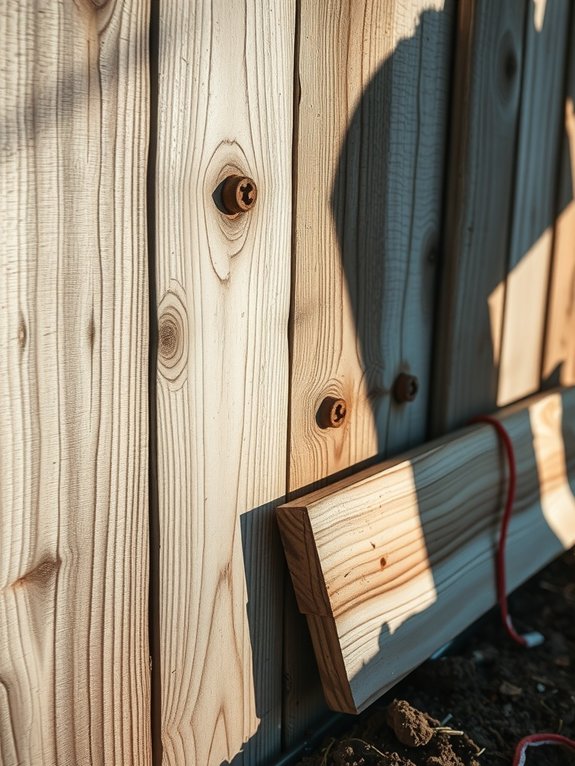
Taking out an old fence—whether it’s a weathered wooden one or a crumbling vinyl installation—adds real time and money to your project. Both your timeline and budget will shift, so it’s worth thinking this through before you sign on with a contractor.
The removal work costs more than just tearing things down. You’re looking at several expenses:
- Post extraction and concrete digging requires specialized equipment and trained workers to pull out anchored foundations
- Debris removal and disposal fees vary depending on where you live and what material the fence is made from. Longer fences mean higher costs, and these fees can add up quickly
- Extra labor hours happen because contractors have to work around the specific terrain and access challenges on your property
Some contractors include removal costs in their initial quote. Others charge it separately. Ask your contractor upfront whether removal is bundled in or billed on its own. Getting this clear from the start prevents surprises when the final bill arrives and keeps the pricing transparent between you and your contractor.
How Location and Site Conditions Affect Labor Costs
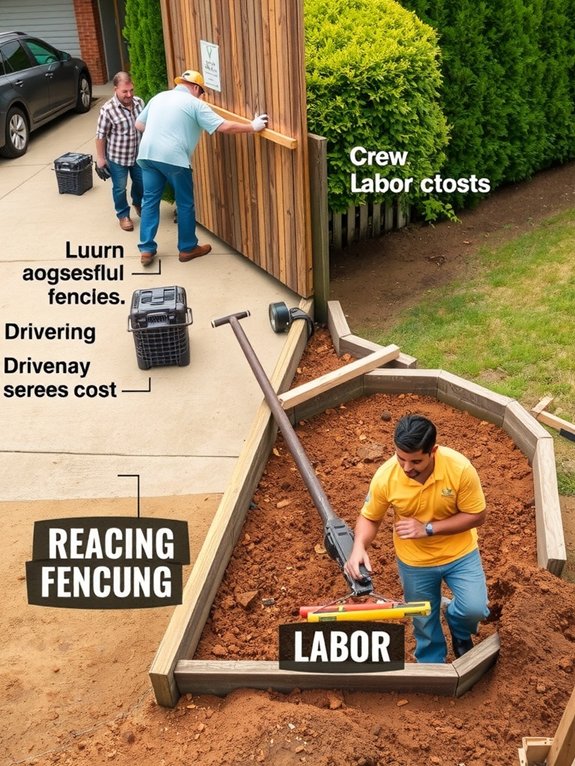
How your land actually sits—its slope, soil composition, existing obstacles—determines whether installation moves smoothly or demands extra time, equipment, and workers. Terrain difficulty directly impacts your labor rate, which averages $22.43 hourly but can shift based on how complicated the job becomes. Rocky soil, dense trees, or steep grades require specialized techniques that stretch installation labor beyond standard estimates.
Your site conditions matter more than you might think. Whether access roads exist, how much debris removal and disposal you’ll need, and what’s already on the property all factor into final costs. An on-site visit assessment catches these variables before pricing happens, revealing hidden challenges that flat, clear properties simply don’t present.
Understanding these regional and environmental factors helps you anticipate expenses honestly. When you know what installers will face—difficult terrain, limited access, or heavy debris work—you can communicate more effectively with them about what the job actually involves.
Custom Designs Cost More Than Standard Panels
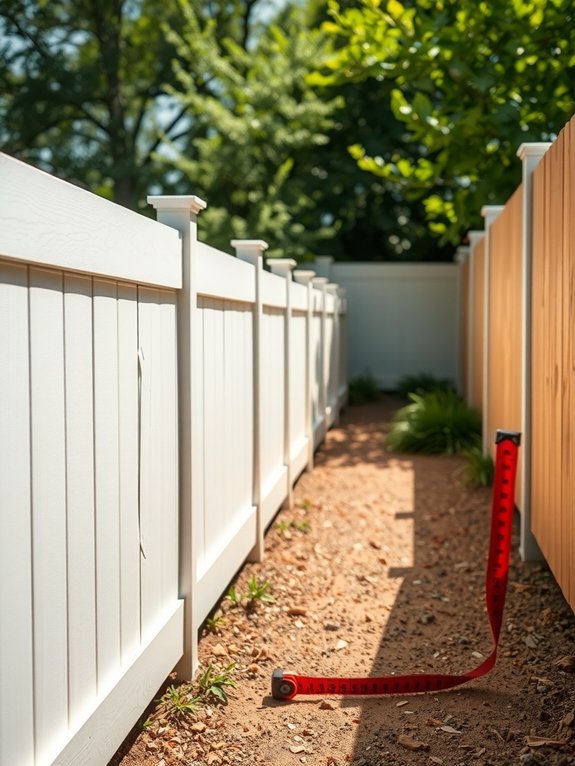
When you’re ready to move beyond basic rectangular panels, you’ll quickly discover that customization costs more—and that price reflects both materials and the labor-intensive work of tailoring a fence to your specific needs and property.
Your per-foot cost goes up substantially because custom designs require several things. First, they demand extended fabrication time and specialized hardware that standard panels don’t need. Second, the installers have to take careful on-site measurements and make design adjustments to match your existing architecture. Third, design complexity matters. Curves, intricate patterns, or unique features all add to the labor costs.
Installation takes longer too, which affects your overall project timeline and what you’ll pay in labor. Custom designs do give you better aesthetics and a better fit compared to off-the-shelf options. The higher investment reflects genuine craftsmanship and personalized attention—the kind of work that sets your fence apart from mass-produced alternatives.
Gates and Add-Ons: What Extra Features Cost
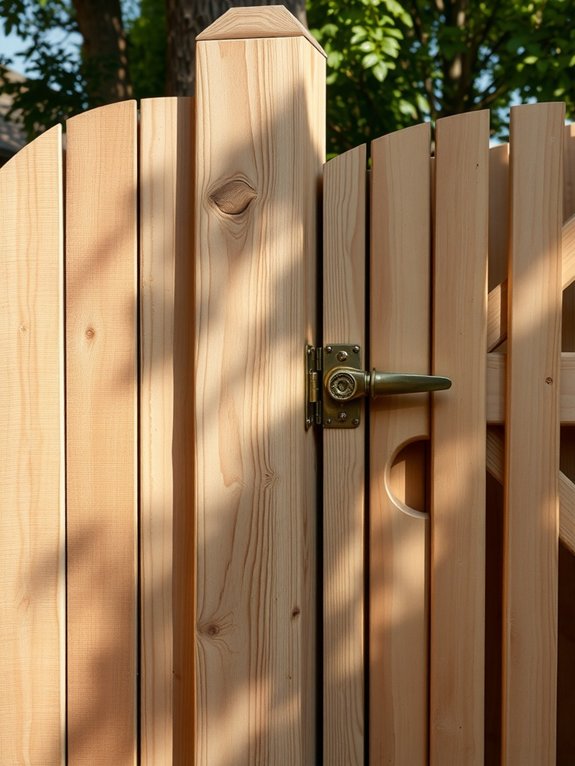
Beyond the fence panels themselves, gates and various add-ons represent the next tier of cost considerations. These are the features that round out your installation and make it fully functional. Gates come in two main types—pedestrian and vehicle—and their prices shift based on how wide they are and how many you need.
Gates and add-ons represent the next tier of cost considerations, with prices shifting based on width and quantity needed.
Motion sensor lighting typically runs you $50–$100 per unit and adds both security and installation costs to your project. Post caps and hardware are other extras that will increase your overall expenses. Don’t forget about permits either. Depending on where you live and whether your HOA has requirements, permits usually cost between $20–$60.
Each of these upgrades adds to what you’ll pay in labor and materials. That’s why getting a comprehensive quote matters. When you see all the line items spelled out, you can spot where costs are heading and avoid surprises down the road. Breaking down each component helps you make decisions that work for both your vision and your wallet.
Permits and Zoning Rules Add to Your Budget
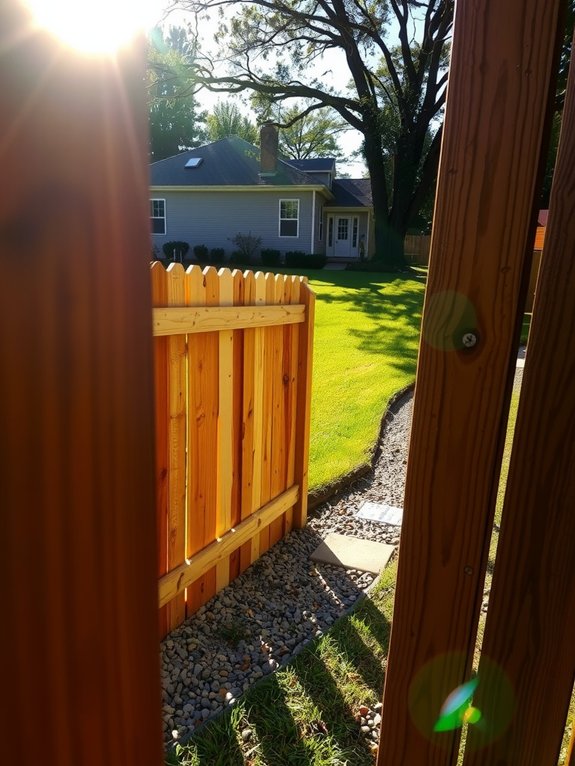
Permits and Zoning Rules Add to Your Budget****
Permits and zoning regulations might feel like red tape disconnected from the actual work of building your fence. But they can shift both your timeline and your budget in real ways. Taking time to understand what your area requires helps you avoid costly problems down the road.
Your local municipality and HOA set the rules for what you can build, where you can put it, and how tall it can be. Here’s what you’ll typically need to handle:
- Permits and fees ($20–$60 in added costs) required by your jurisdiction before you start any work
- Zoning rule compliance that covers height, location, and materials based on what your neighborhood allows
- Inspections and approvals at different stages of the project, which can add time to your overall schedule
Regulations differ quite a bit depending on where you live. An on-site design technician can tell you exactly what your location requires and how it affects your costs. Having this professional input helps you meet your municipality’s requirements without surprises like fines or having to redo work after installation is finished.
How Seasonality and Supply Affect Fence Pricing
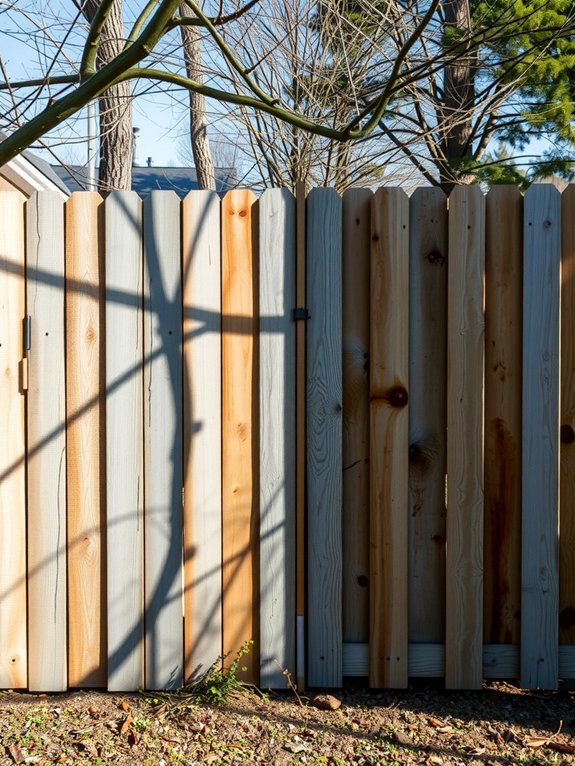
Why does the same fence quote vary so dramatically depending on which month you request it. Seasonality and supply chain dynamics create real price swings that matter for your budget.
During spring and summer, demand for fencing shoots up because that’s when most people want to build. Contractors get busy juggling multiple projects, which means they charge higher labor rates. At the same time, material availability gets tight. Lumber shortages, supply chain hiccups, and longer lead times all push your price per linear foot higher, whether you’re looking at wood, vinyl, or metal options.
Winter flips this around. Contractors have fewer jobs lined up, so they’re more willing to negotiate on price. You’ll typically see lower quotes during these slower months. The trade-off is that cold weather can delay your actual installation schedule, so you might not get your fence up as quickly as you’d want.
The pattern here is pretty predictable once you know what to look for. If you request quotes during slower seasons, you position yourself to get better pricing. Understanding how contractor availability and material costs shift throughout the year lets you plan your budget more effectively and negotiate from a stronger position.
Cheap Now vs. Expensive Later: Material Payoff Over Time
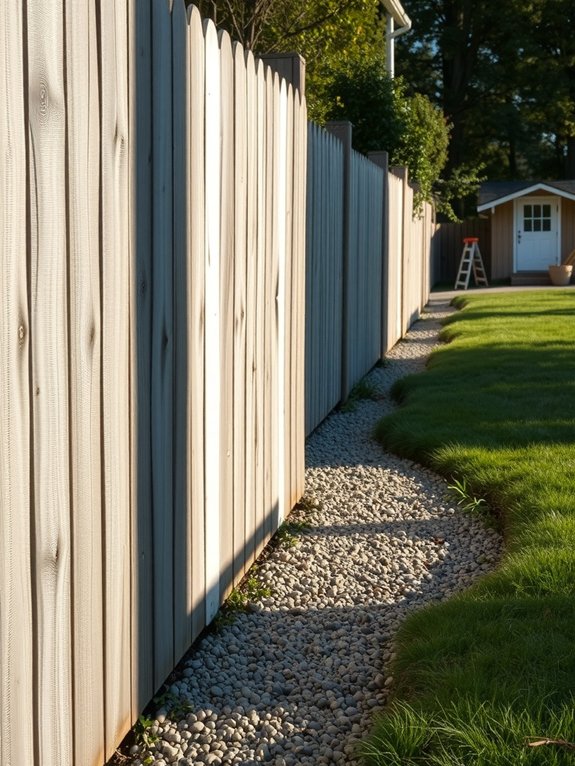
Now that you’ve locked in your timing and negotiated a solid quote, another calculus kicks in—one that stretches far beyond the moment you sign the contract. You’re weighing upfront cost against long-term cost and durability, a calculation that separates homeowners who stay satisfied from those who regret their choices years later.
Consider these material payoff realities:
Wood fences cost less initially but demand ongoing maintenance. You’ll spend money on repairs and treatments year after year, gradually eroding those early savings.
Vinyl options cost more upfront but require almost no maintenance. You shift the labor costs away from yourself entirely, which matters if you’d rather not spend weekends on fence upkeep.
Steel and wrought iron require substantial upfront spending but rarely need replacement. They hold up well over decades, which can offset their higher starting price.
The material payoff equation hinges on honest assessment. Your choice reflects not just today’s budget, but your willingness to manage maintenance obligations that pile up over time. If you prefer hands-off ownership, spending more now on low-maintenance materials makes sense. If you’re comfortable with regular upkeep and want to minimize initial spending, wood becomes more attractive. Neither choice is wrong—it depends on what fits your life.