Your pergola’s final cost comes down to seven factors that all connect with each other. First, you’ve got size and design complexity, which typically runs $20–$60 per square foot depending on how simple or detailed you want to go. Then there’s what you build it from—pressure-treated lumber costs less than premium aluminum, but aluminum lasts longer with less maintenance.
Where you’re putting the pergola matters too. A level patio means straightforward installation, but uneven ground that needs excavation will bump up your expenses. Your location also affects labor and shipping costs, so someone in a rural area might pay differently than someone in the city.
You can add smart upgrades like motorized screens or LED lighting, which improve how you use the space but increase the overall price. Don’t forget about permits, which range from $50–$500 depending on your area and local regulations. You might also catch seasonal discounts if you’re flexible about timing.
Finally, consider whether you’re handling the assembly yourself or bringing in professionals. DIY work saves you money but requires time and some skill. Professional installation costs more upfront but guarantees the job meets building codes and stays structurally sound. Each of these seven elements pulls at your budget in different ways, so weighing them together helps you see where your money actually goes.
Pergola Size and Design Complexity: How They Drive Cost
Pergola Size and Design Complexity: How They Drive Cost
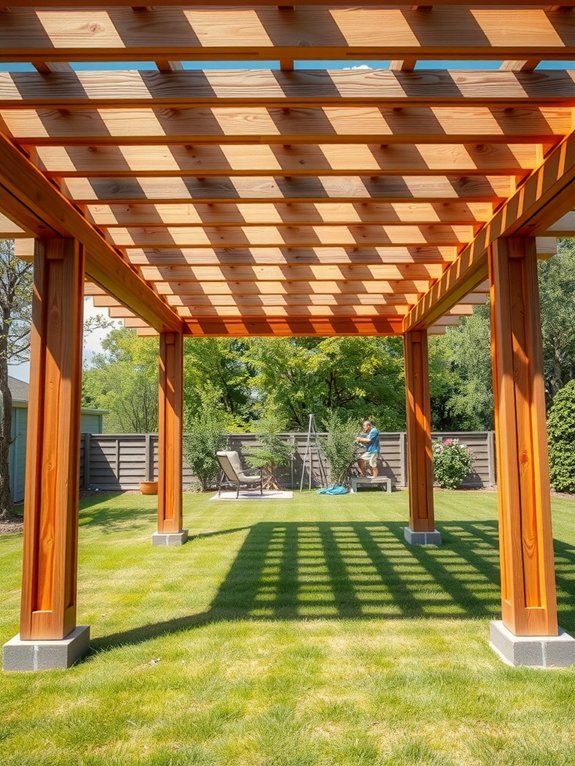
The pergola you choose—whether a modest 8×8 structure or an ambitious 12×12 centerpiece—fundamentally shapes what you’ll spend. Size and design complexity work together to determine both the materials you need and the labor required for installation. Per-square-foot costs typically range from $20 to $60, with prices scaling upward when you select premium materials like aluminum instead of pressure-treated lumber.
Your design choice matters significantly. A simple single-zone design costs considerably less than multi-zone roof configurations with independent louvers and remote controls. If you’re planning a freestanding pergola, you’ll spend less than you would on a custom design with curved roofs or house attachments that require more complex installation.
Site conditions add another layer to your costs. Uneven ground or elevated deck footing requirements demand extra installation labor beyond the basic build. These preparation steps aren’t optional if you want a stable, long-lasting structure.
Before you finalize your pergola plans, consider how size, design complexity, material quality, and your site’s specific conditions interact with one another. Weighing these interconnected factors together—rather than focusing on just one—positions you to make decisions that genuinely align with your budget and needs.
Material Choices and Finish Options: The Cost Impact
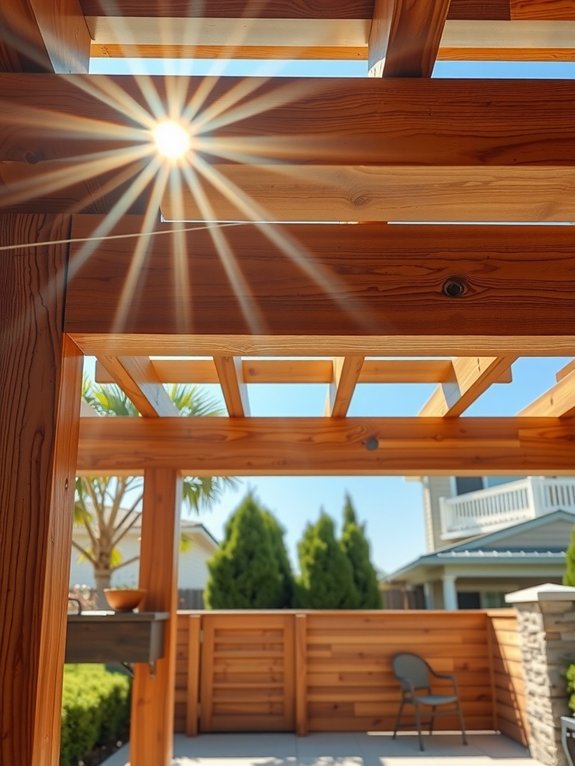
The material you choose for your pergola—pressure-treated pine, composite, aluminum, or exotic wood—will be the biggest driver of your budget. You could spend as little as $20 per square foot or as much as $60, depending on what you pick. This choice matters beyond just the initial cost because it also affects how much maintenance you’ll need to do over the years.
Wood gives you the widest range of options. Pressure-treated pine is your most affordable choice, while exotic hardwoods like teak will cost you significantly more. If you’re considering vinyl, expect to pay between $25 and $55 per square foot. You’ll get low maintenance with vinyl, though your style options won’t be as flexible. Aluminum pergolas run $25 to $60 per square foot and handle rust well with minimal upkeep required.
The finish you select adds another layer to the cost. Standard colors cost less than custom woodgrain or color-matched options. What matters here is how long your pergola looks good between maintenance cycles. Some finishes hold up better over time, while others need refreshing more often.
Installation Site and Existing Structures: What Adds to Your Cost
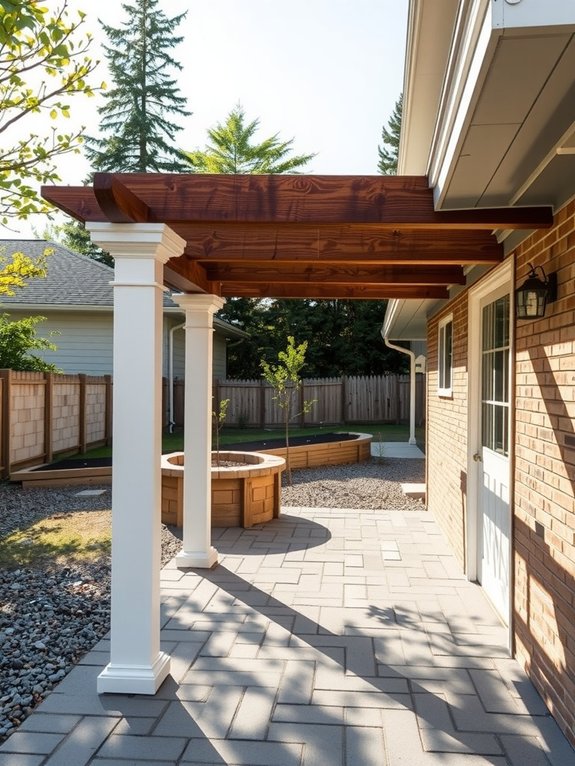
Where you’re installing your pergola—whether it’s a level concrete patio, an elevated deck, or uneven ground—will shift your costs in ways that often surprise homeowners who’ve only priced the structure itself.
Your installation site and ground conditions directly determine labor expenses and site prep requirements. Level concrete patios enable straightforward installs with minimal additional work. Elevated decks demand specialized footings and complex structural support. Uneven terrain or grass necessitates excavation, concrete pours, or extensive leveling.
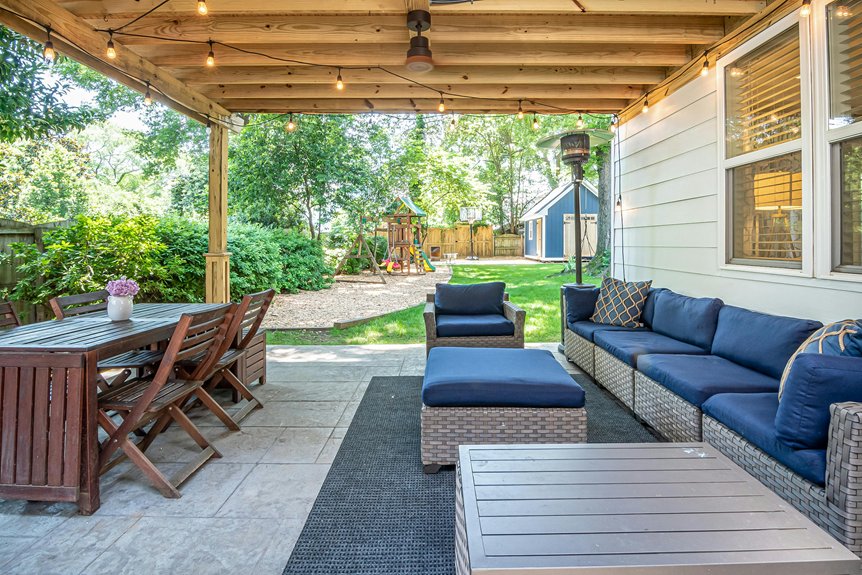
Freestanding designs on prepared sites cost considerably less than integrated builds. When you’re attaching to existing roofs or walls, you’ll need to factor in flashing, sealing, and secure anchoring. Integration with your current architecture adds planning, waterproofing, and material expenses. Building permits often increase when structures attach to homes, so check local requirements before you finalize your budget.
Understanding your ground conditions upfront helps you anticipate these realistic cost factors. Get a sense of your site’s slope and soil type, and consider whether you’ll need a contractor to assess structural compatibility with your home before moving forward.
Your Location’s Effect on Pergola Price: Labor and Freight Costs
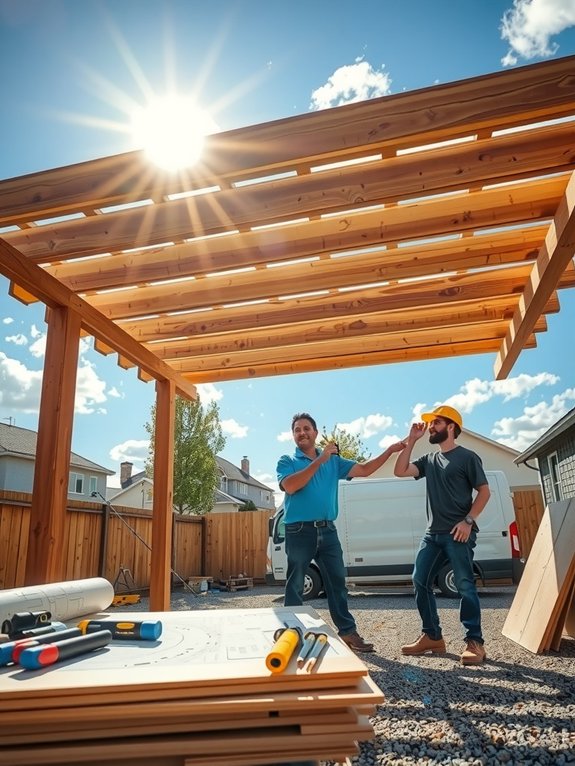
Your location plays a bigger role in your pergola’s final cost than you might expect. Beyond what you’re actually building, where you’re building it matters just as much.
Labor costs vary significantly by region. Installation crews charge different rates depending on how many skilled workers are available in your area and what local wages look like. If you live far from major distribution centers, you’ll notice freight charges climb noticeably. This shipping cost gets passed along through dealer pricing across your region.
Your county’s permitting rules also affect your budget. Some areas require more extensive permits than others, which can add unexpected expenses and push back your timeline. Meanwhile, site preparation work—like pouring concrete bases and grading the ground—costs more or less depending on your local soil conditions and what contractors charge per hour in your area.
All these geographic factors stack up quickly. Your actual installed price depends heavily on your zip code, not just on the pergola model you choose.
Smart Features and Motorized Upgrades: Premium Cost Additions
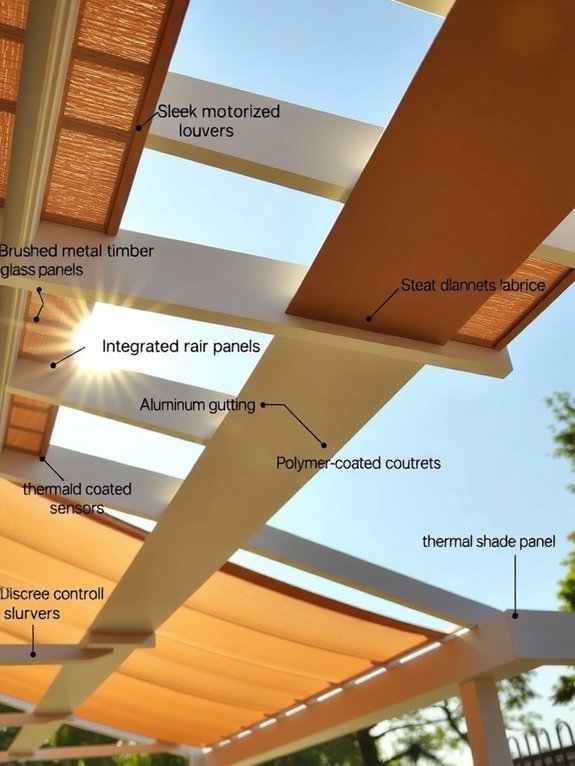
Once you’ve decided on your pergola‘s basic structure and materials, you’ll need to think through another layer of choices that can really change what you spend: whether to add smart features and motorized upgrades that turn your shade structure into something you can control from your phone or with your voice.
These tech additions are worth thinking through carefully:
StruXure Bridge integration lets you control your pergola through an app and voice commands. It goes beyond basic motorization and actually connects to your smart home setup.
Motorized screens do double duty—they protect you from weather while also providing shade and keeping insects out. Just know that installing them means running a lot of wiring, which adds complexity to the job.
Built-in lighting with LED options requires running wires through your structure and typically takes longer to install than basic setups.
Outdoor heating and ceiling fans let you use your space year-round, but they’ll increase both what you pay upfront and what you spend on energy over time.
Each of these upgrades means more labor hours and more materials. When you stack them together, they create the connected outdoor space you’re after, but you’ll want to budget accordingly for the extra work involved.
Hidden Costs You Might Miss: Permits and Seasonal Pricing
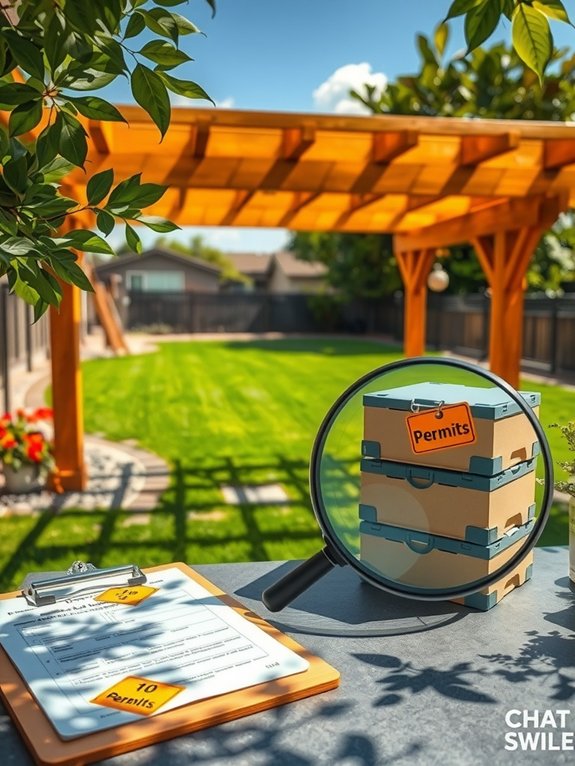
When you’re adding up what your pergola project will actually cost, it’s easy to focus on materials and labor while overlooking the administrative expenses and timing variables that’ll quietly inflate your final bill. Permits alone range from $50 to $500 depending on your location, project scope, and HOA requirements—yet many homeowners don’t factor this into initial contractor estimates.
Building codes and local permitting processes directly influence when your installation happens, potentially adding two to six weeks to your timeline. Most professional installers handle permits for you, which reduces your compliance risk but increases upfront costs. This is worth factoring in when you’re comparing contractor bids.
Seasonal pricing deserves equal attention. If you schedule your project during fall or winter off-seasons, you can typically get meaningful discounts of 10 to 25 percent due to lower demand. Contractors have more availability then, which works in your favor financially.
Beyond permits and timing, you’ll also encounter costs for flashing, sealing, and warranty options during the permitting process. These add complexity and expense to your overall budget. Understanding these variables upfront means your final numbers will actually match reality instead of surprising you down the road.
| Cost Factor | Range/Impact |
|---|---|
| Permit fees | $50–$500 |
| HOA requirements | Variable |
| Seasonal discounts | 10–25% |
| Installation delays | 2–6 weeks |
| Warranty additions | $200–$800 |
DIY vs. Professional Installation: Where You Actually Save Cost
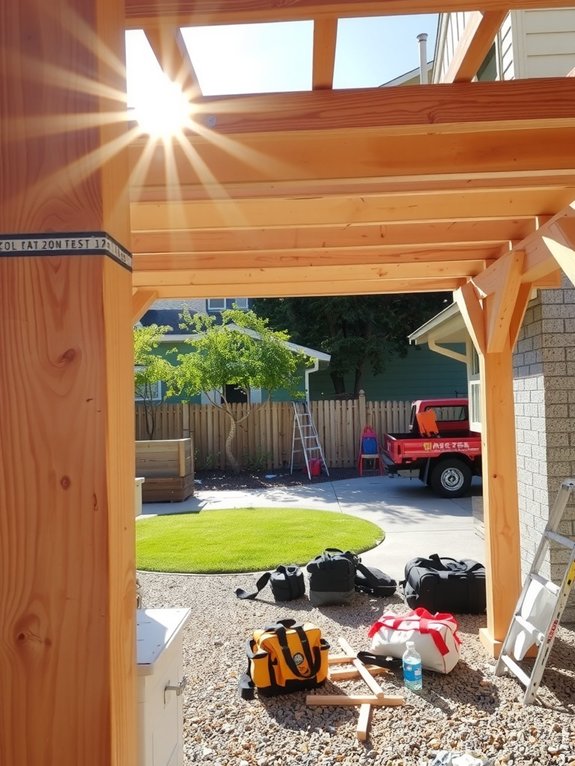
When you build your own pergola, you’re trading the $4,000-plus that professionals charge for labor and site preparation against your own time—typically a weekend to several weeks depending on size and complexity. You’ll save $1,000 to $3,000 by avoiding contractor markups, but you need to factor in tool rentals, the cost of mistakes, and the skills you’re providing yourself. These expenses don’t always show up in your initial budget.
The bigger decision is whether those upfront savings are worth the tradeoffs. You’re taking on responsibility for whether your structure actually stays stable, how well the finish holds up, and whether it’ll last without a professional warranty backing it. This matters even more if you’re attaching the pergola to your house or building something substantial in size. The math looks different once you consider what you’re personally responsible for if something goes wrong.
DIY Cost vs. Professional Cost
Saving money on a pergola really comes down to what you’re willing to give up. Your time, your skill level, and how okay you are with mistakes all play a big role here. DIY projects typically cost between $1,000 and $3,000 for materials, tools, and supplies. Professional installations average around $4,000, with labor costs running $500 to $1,000 on top of materials.
Before you decide which route makes sense, think through these trade-offs:
Time investment: DIY work spreads across weekends or weeks depending on your schedule and experience. Professionals handle the job faster and get it done to completion without you juggling it around your other commitments.
Hidden costs: Tool rental and purchases add up quickly. Even small mistakes—measuring wrong, cutting incorrectly, or needing to redo sections—can eat into whatever savings you thought you’d get.
Warranty protection: When you hire professionals, most include labor guarantees that protect you if something goes wrong. DIY work is on you if issues pop up down the line.
Feature planning: If you want lighting or fans built in, installing them during construction costs less than retrofitting them later. Planning this step upfront matters whether you go DIY or hire someone.
Your actual budget depends on being honest with yourself about these factors. Before you start, spend real time thinking through how much time you can actually dedicate, what tools you already own versus need to buy or rent, and whether you have the skills to handle the work without costly do-overs.
Labor Expenses and Site Preparation
Here’s where you’ll actually save money on a pergola project and where costs tend to creep up unexpectedly. It really comes down to understanding what labor and site prep actually demand from you in terms of time, skill, and budget.
Professional installation typically runs around $4,000, with labor adding another $500–$1,000 depending on how complex your design is and what contractors charge in your area. Your site conditions matter significantly though. A level concrete patio keeps things straightforward and affordable, while an elevated deck requires specialized footings that bump up costs. Uneven ground might demand concrete pours or excavation work, which adds both time and expense.
If you’re attaching the pergola to your house, expect higher labor and material costs since the work becomes more involved. You’ll also need permits and inspections, which typically cost $50–$500 and affect your overall labor timeline and budget.
Before you commit your resources, think through your terrain conditions, how complex your design is, and whether you’re tying the structure to your house. These variables directly shape what you’ll actually spend and how long the installation will take.
Material Savings Through Self-Build
Now that you’ve considered what site preparation and labor demand from professionals, it’s worth examining whether you can shoulder some or all of that work yourself. The financial gap between DIY and professional installation is substantial, though not without complications.
Your self-build savings depend on several factors. A pergola kit reduces assembly complexity and typically costs between $1,000 to $5,000 with materials included. DIY installation can run as low as $720 compared to $4,000 professionally, though your actual labor savings vary significantly based on your skill level and available time.
The real appeal is straightforward: you’re controlling material costs and labor expenses directly. But here’s where it gets tricky. Tool rental expenses and footings preparation create hidden costs that eat into those initial savings. Site preparation—leveling and establishing proper footings—remains expensive regardless of whether you do it yourself or hire someone.
Mistakes during pergola kit assembly or improper footings installation can quickly wipe out your upfront cost advantage. What looked like straightforward self-build savings can turn into costly corrections that end up requiring professional intervention anyway. So before you commit to the DIY route, be honest about your skill level with construction basics and whether you have access to the necessary tools without significant rental costs.