
You’re probably keeping three dangerous plants in your home right now. Sago palms are the most serious threat—even a small amount can cause fatal liver damage. Philodendrons and dieffenbachias are also toxic, but they work differently by irritating your dog’s mouth and throat.
The tricky part is recognizing what’s happening. Sago palm poisoning doesn’t announce itself with obvious signs at first, which makes it especially risky. The other two plants, though, will show up quickly through drooling and swelling in your dog’s mouth and throat.
If your dog eats any of these plants, time matters. Call your vet or poison control right away, before your dog shows serious symptoms. Have the plant’s name ready and know roughly when your dog ate it. This information helps your vet figure out the best treatment and gives your dog the best chance at recovery.
Three Toxic Plants That Kill Dogs: Sago Palm, Philodendron, and Dieffenbachia
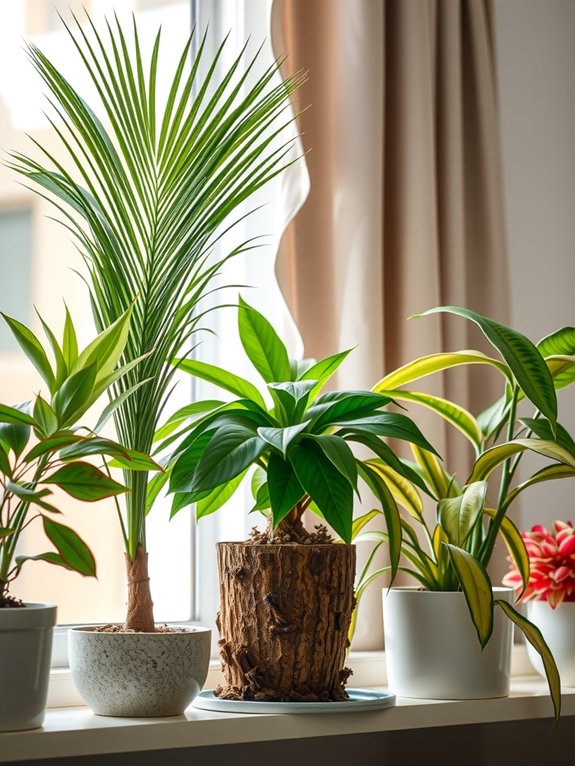
When you’re shopping for houseplants, it’s worth checking whether they’re safe for your dog. Three plants deserve your attention: Sago palm (Cycas revoluta), Philodendron, and Dieffenbachia, also called Dumb Cane.
Sago palm is the most dangerous of the three. Even small amounts can cause liver damage serious enough to be fatal. You don’t need much exposure for your dog to suffer real harm.
Sago palm is extremely toxic to dogs—even minimal exposure can cause fatal liver damage.
Philodendron and Dieffenbachia work differently but are still serious concerns. Both contain compounds that cause intense mouth and throat irritation. When your dog ingests them, you might see drooling, swelling in the mouth, and vomiting. These signs mean you need veterinary care right away.
If your dog gets into any of these plants, call your vet immediately. Don’t wait to see if symptoms develop. The sooner your dog gets treatment, the better the outcome. Keep these plants out of reach, or better yet, don’t keep them in your home at all. Knowing which houseplants are dangerous lets you make choices that keep your dog safe.
Spot These Poisoning Symptoms Before They Turn Severe
Recognizing poisoning symptoms early can mean the difference between your dog making a full recovery and facing a medical emergency. That’s why knowing what to look for matters more than hoping your dog never encounters toxic plants in the first place. I’ve learned that when dogs ingest plants, you need to watch them carefully right away. Understanding the early warning signs puts you in a position to act fast.
Watch for these critical indicators:
- Gastrointestinal distress—vomiting, diarrhea, and drooling mean your dog’s system is rejecting the toxin
- Neurological changes—lethargy, seizures, or tremors show how serious the poisoning is and how urgently your dog needs help
- Respiratory shifts—rapid breathing signals that the poison is affecting your dog’s whole body and needs veterinary attention
The symptoms your dog shows and how quickly they appear depend on which houseplants your dog ate and how much. Don’t wait to see if things get worse. Contact your veterinarian right away if you think your dog was exposed to a toxic plant, even if you haven’t spotted obvious symptoms yet.
What to Do Right Now If Your Dog Eats a Toxic Plant?
How you respond in those first minutes after your dog eats a toxic houseplant can make the difference between your vet having treatment options and facing a full-blown emergency. Staying calm while moving quickly matters more than panicking.
Your first minutes matter: stay calm, move fast, and contact your vet immediately when your dog eats a toxic houseplant.
Here’s what to do immediately: Remove the plant and contact your veterinarian or an emergency animal poison control hotline right away. Get specifics ready—the plant’s name (or a photo), how much your dog ate, and when it happened. These details directly shape what your vet can do next.
Don’t induce vomiting unless your vet explicitly tells you to. Doing it wrong can actually make the poisoning worse.
Some houseplants are especially dangerous. Sago palms and lilies demand urgent action—don’t wait to see if symptoms develop. Bring a plant sample or clear photo to your appointment so your vet knows exactly what toxin they’re dealing with.
Watch for vomiting and other symptoms. Getting your dog prompt veterinary care when signs appear significantly improves outcomes.