

Before you start building a fence, you need to handle several legal steps to avoid problems down the road.
First, check your local zoning ordinances to find out how tall your fence can be. Most residential areas allow fences between 4 and 6 feet, but this varies by location. You’ll also want to hire a professional surveyor to confirm exactly where your property lines are and what setbacks you need to follow. Setbacks are the distances your fence needs to be from the property line.
If you live in a neighborhood with an HOA or have CC&Rs on your property, review those documents for any additional rules about fence materials and design. These restrictions can be stricter than local zoning laws.
Next, you’ll need to get a permit from your local zoning department. Many areas now offer online portals like BASS where you can submit your application. You’ll pay application fees and building code fees as part of this process.
Before digging any holes for fence posts, call 811 to have them locate underground utilities like gas lines and electrical cables. This step takes just a few days and can prevent serious accidents.
Once your permit is approved, schedule inspections as required by your local code. The inspector will check your work at different stages to make sure everything meets requirements.
Since fence regulations differ significantly from one location to another, completing these steps first is what keeps you from having to fix expensive problems later.
Check Your Local Fence Height Limits and Zoning
Before you drive a single post into the ground, you need to understand the zoning ordinances that govern your property. These regulations vary considerably depending on where you live and which section of your yard you’re working in.
Most jurisdictions cap artificial fence height at 4–6 feet, though natural fences like shrubs may extend to 5–8 feet. Your front yard typically allows only 4 feet maximum, while rear yards offer more flexibility. Keep in mind that inspectors measure height from the finished grade to the fence top, using the taller side if your ground is uneven.
Some areas also enforce Hillside Overlay restrictions, which means your fence may require an approved development plan before you can build. The specific rules depend on your location and property characteristics.
Consulting your city planner before construction is the smart move. This step prevents expensive mistakes down the road and ensures your fence actually complies with what your local government requires.
Talk to Your Neighbor Before You Start
Before you invest time and money into fence construction, have a straightforward conversation with your neighbor about your plans. Cover the fence’s location relative to the property line, its height and materials, and who’ll pay for it. This discussion can prevent costly disputes and might even get you a willing partner in the project.
If your neighbor agrees to participate, put everything in writing. Document the design specifications, cost-sharing arrangement, construction timeline, and maintenance responsibilities. This protects both of you and makes sure you’re on the same page from day one.
If your neighbor is unreachable or objects to your plans, you still have options. Mediation or consulting a real estate attorney can help resolve things, but that initial honest and respectful conversation often works better than legal intervention ever could.
Inform Them Of Plans
One of the most important steps in your fencing project won’t require any tools or materials—it’s the conversation you need to have with your neighbor before you start digging post holes. You should present your specific plans clearly: the height you’re planning, the materials you’ve chosen, and exactly where the boundary line runs. If you have sketches or photos, share those too.
This upfront communication matters because it heads off confusion about design choices, where things like lattice or signage will attach, and who’ll handle maintenance later on. When you’ve laid out your plans and actually listened to what your neighbor thinks, you’ve shifted things from a legal box to check off into something more like a real partnership. That shift makes a real difference in how smoothly the whole project goes.
Discuss Design And Costs
Design And Costs
Deciding how to split the financial burden deserves as much thought as planning the fence line itself. You need to document your agreement in writing before any construction starts. Your written agreement should specify the materials you’re using, the fence height, and exactly who pays what portion.
Different arrangements work for different neighbors. Some of you will split costs equally down the middle. Others divide expenses based on who benefits most from the fence—maybe you want more privacy while your neighbor mainly cares about property definition. You might handle labor costs while your neighbor covers materials for their preferred design elements. Whatever approach you choose, get those details in writing.
This written record does important work. It protects both of you and makes clear who handles maintenance responsibilities down the road. When repair bills show up five years later, you won’t be left guessing whose responsibility it is. Clear financial expectations now prevent resentment later and help preserve the solid relationship you’re building.
Resolve Disputes Amicably First
Resolve Disputes Amicably First
Getting your financial and design details documented in writing sets a solid foundation, yet that paperwork only works when you’ve actually talked things through with your neighbors first—and I mean really talked, not just mentioned the fence in passing while grabbing mail. Open conversation prevents the resentment that builds when assumptions replace dialogue. Discussing specifics like lattice designs, canvas attachments, or signage clarifies expectations before construction begins.
| Discussion Point | Your Role | Neighbor’s Role |
|---|---|---|
| Design preferences | Present options | Provide feedback |
| Cost sharing | Propose split | Agree or counter |
| Maintenance duties | Define schedule | Confirm commitment |
When conversations stall, real estate attorneys and mediators exist precisely for this purpose. They can transform a deadlock into resolution before disputes escalate toward HOA enforcement or legal action.
Confirm Your Property Lines With a Professional Survey
Where exactly does your property end and your neighbor’s begin? Most people are surprised to discover that property lines aren’t always where they assume. A licensed surveyor uses precise measurements and your existing deeds to map your property accurately, establishing your lot boundaries with documentation that clarifies setbacks and where you can legally place a fence.
This service costs money upfront, but it’s worth it when you’re applying for permits or making construction decisions. Without a clear survey, you risk encroachment disputes that become far more expensive to resolve later. If your property lines are unclear or contested, you should get a survey done before you apply for permits or start any construction work. The surveyor eliminates the guesswork about where you can legally build on your land.
Review Your HOA Rules and CC&Rs
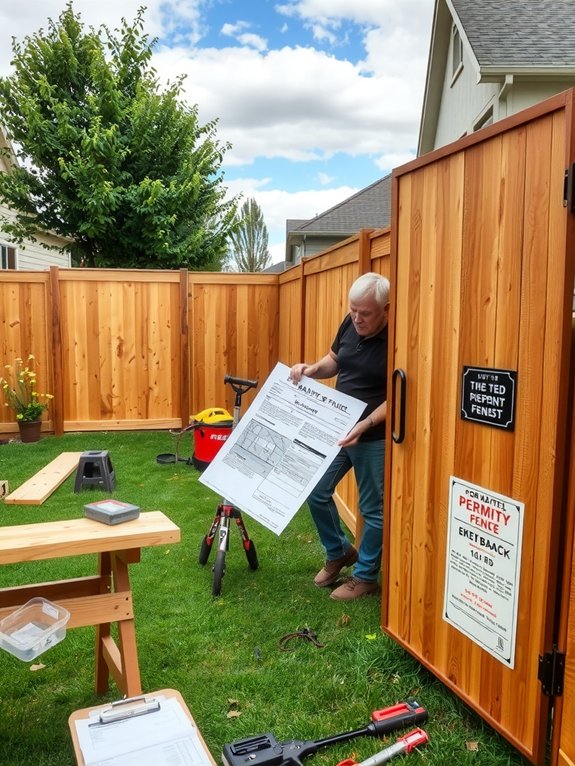
Once you’ve confirmed your property lines through a professional survey, you’ll want to look at the restrictions that might affect your fence project. If you live in a subdivision with a homeowners association, you almost certainly have them. Your CC&Rs (Covenants, Conditions, and Restrictions) spell out specific fence guidelines that determine what you can actually build.
Check these key restrictions before you move forward:
- Height limitations – Most rules cap fence height between four and six feet
- Approved materials and colors – These rules keep the neighborhood looking consistent
- Setback requirements – Your fence needs to sit a certain distance from your property lines
- Style specifications – The HOA may prohibit spite fences or designs they consider harmful to the community
Understanding these requirements upfront saves you from having to tear down work that doesn’t comply. Your HOA enforces these standards, so knowing what’s expected protects your money and keeps things smooth with your neighbors.
Understand Setback Requirements in Your Area
Before you drive a single fence post into the ground, you need to understand the setback requirements in your area. These rules come from zoning laws and local regulations that differ between municipalities. Most areas have stricter requirements for front yards than rear yards.
Your local zoning department or city planner can tell you exactly how far your fence must sit back from your property line. Get this measurement in writing so you have it documented. Violations can lead to expensive removal orders or fines, so it’s worth the effort to verify the requirements upfront.
If you’re not sure where your property boundaries actually are, hire a licensed surveyor to mark them. This step costs money upfront but saves you from the much bigger expense of having to remove or relocate a fence that was built on your neighbor’s land.
Zoning Laws and Local Regulations
How you’ll actually build your fence—where it sits on your property, how tall it stands, what materials you can use—isn’t something you get to decide entirely on your own. Zoning laws and local ordinances establish the specific requirements that govern these details in your area, and these requirements vary considerably depending on your location and the particular municipality overseeing your land.
Before you commit resources to your fence project, you need to investigate these critical regulations:
Height limits typically range from four to six feet in residential zones, though some areas may have different standards.
Setback requirements dictate how far your fence must sit from your property lines and easements. These distances protect utilities and maintain sight lines at corners.
Permitted materials vary by location. Wood, vinyl, and composite options are common choices, but your area might restrict certain materials or require specific styles, especially in older neighborhoods.
Special restrictions apply if your property sits in a historic district or environmentally sensitive area. These zones often have stricter rules about appearance and materials.
Contact your local zoning department directly to clarify exactly what you’re permitted to build. They’ll give you the specific regulations for your property and help you avoid costly mistakes or the need to remove a fence that doesn’t meet code. Getting this information upfront prevents complications down the road and saves you time and money.
Distance From Property Line
Setback requirements demand precision—your fence needs to stay a specific distance from your property line. The tricky part is that these measurements shift dramatically between municipalities, and even small violations can bring enforcement actions your way. You’ll typically find that front-yard setbacks have stricter rules than rear-yard areas, though your local codes set the exact numbers.
Before you install anything, get a professional survey done to identify your actual property boundaries. This upfront cost prevents expensive encroachments down the road and gives you clarity on where building is legally allowed. Next, contact your local zoning office to find out the exact setback distances that apply to your property classification. Getting these details straightened out now keeps you from facing removal orders or having to go through variance proceedings later.
Survey Your Property Boundaries
Where exactly does your property end and your neighbor’s begin. You need a clear answer to this question before you install a fence, whether you’re working with an existing one or planning something new.
A licensed surveyor gives you the precision that matters:
- Uses legal documents and field measurements to pinpoint your exact property lines
- Marks the setback distances your local ordinances or HOA requires
- Spots potential encroachment problems before you start building
- Creates an official report you can keep for your records
Yes, surveying costs money upfront. But it prevents expensive disputes later and makes sure your fence actually sits on your land. Most municipalities and HOAs have specific setback rules that you can’t figure out on your own. Once you have a professional assessment, you know exactly where you stand—legally and literally. That confidence lets you build the right way and keep things friendly with your neighbors.
Call 811 Before Digging to Locate Utilities
Before you drive a shovel into your backyard soil, call 811—the national utility locating hotline. This free service connects you with local utility providers who mark underground lines for you. You can also reach them at 800-242-8511 or visit diggershotline.com for their DIY portal.
Why does this matter. Hitting buried electric, gas, or water lines during digging creates serious safety hazards and expensive damage. It’s not something you want to risk.
After you call, utility providers will arrive and mark the lines with painted flags or stakes. Follow these markings exactly when you dig fence post holes and footings. This step protects you, your neighbors, and your community’s critical infrastructure while keeping your project safe and legal.
Select Materials That Meet Code and HOA Standards
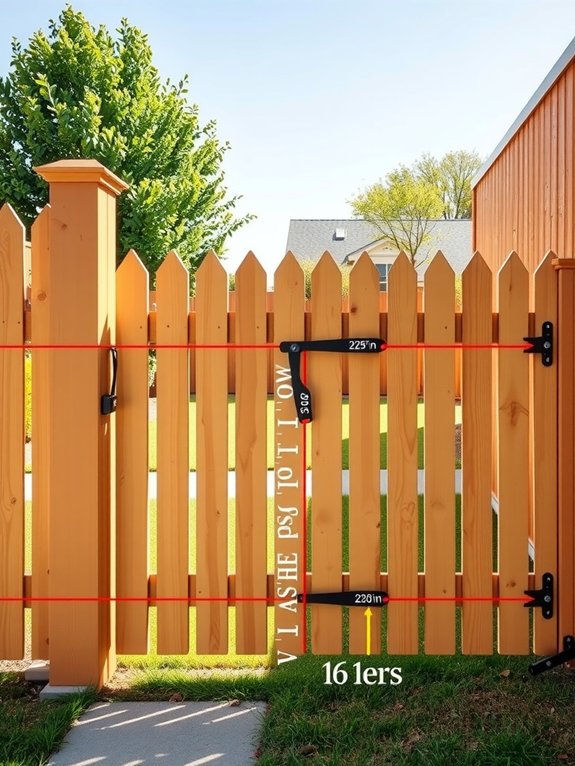
Which materials you choose will determine whether your fence passes inspection or becomes a costly mistake. That’s why understanding local codes before you buy a single post really matters. You’ll want to navigate several key considerations.
Start by verifying permitted fence materials with your city’s zoning department. Most jurisdictions ban chain-link without inserts, electric fencing, barbed wire, and razor wire. You should also check your height restrictions, which typically range from 4 to 6 feet for artificial fences in residential zones.
Next, review any HOA or CC&R guidelines affecting your property. Boundary fences often carry shared material restrictions that you need to know about before moving forward. If your property falls within a preservation area or special zoning district like HS-O zones, confirm whether those district-specific rules impose additional limitations on what you can use.
Your fence materials must align with both municipal code and any covenants affecting your property. This preliminary legwork prevents expensive modifications later and saves you from having to tear down and rebuild.
Check if You Need a Fence Permit
Do You Need a Fence Permit?
Whether you need a permit for your backyard fence depends on what you’re doing. The scope and specifics of your project determine whether your local requirements apply to you.
| Project Type | Permit Required? |
|---|---|
| New fence installation | Yes |
| Repair/replacement under 50% | No |
| Repair/replacement over 50% | Yes |
If you’re replacing less than half your existing fence with identical materials and dimensions in the same location, you can skip the permit process. Any other work—new installations or substantial replacements—requires one.
Permits exist because they protect you and your neighbors through proper code compliance. When you need a permit, you’ll submit an application through BASS if you’re hiring a contractor. If you’re acting as the owner-builder, you’ll need to appear in person instead. Getting this step right upfront saves you from costly mistakes down the road.
Submit Your Permit Application via BASS or In Person
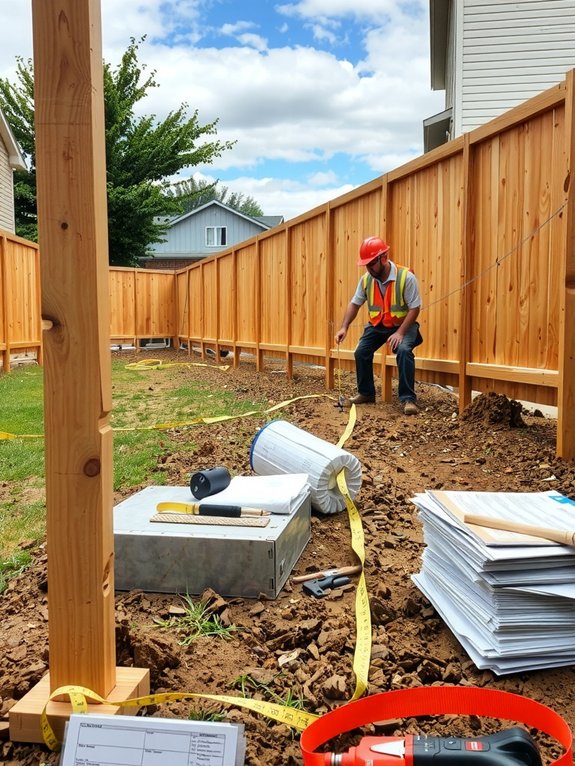
Once you’ve confirmed your backyard fence project needs a permit, you can submit your application two ways: through Brevard’s Advanced Service Site (BASS) or in person at your local office.
BASS works 24/7 and lets you upload documents and schedule inspections from home through a single digital portal. If you prefer face-to-face interaction, you can walk into the local office during business hours instead.
Before you submit, gather these documents upfront. You’ll need either an Owner Builder Application for Contractor Exemption or standard contractor paperwork, depending on your situation. Know ahead of time what fees you’ll pay: a $25 application fee, a $34 Building Code fee, and a 1.5% Florida Surcharge with a $2 minimum.
Picking your submission method early, collecting your documents in advance, and understanding the costs means you’ll move through this stage without unexpected delays.
BASS Online Submission Process
BASS Online Submission Process
Brevard County’s Advanced Service Site—BASS for short—gives you a way to handle your fence permit entirely online. You can submit applications, upload documents, check your application status, schedule inspections, and pay fees from your computer anytime, day or night.
Start by registering as an online user. Once you’re set up, you’ll work through these steps:
- Submit your Building Permit Application through the secure portal
- Upload required documents, including your Notice of Commencement if your project costs more than $5,000
- Track your application in real time as reviewers examine your fence plans
- Receive automated email notifications whenever your status changes
This system works the same way for most homeowners in Brevard County, so you’ll be following a process that’s already familiar to others in your area.
Required Documents for Application
Before moving forward with your fence permit, you need to gather and submit specific documents. These forms show who’s responsible for the work, what you’re building, and the processing costs for the county.
Your first step depends on your status. Licensed contractors submit the Application for Building Permit directly through BASS. If you’re an owner-builder, you’ll complete the Owner Builder Application for Contractor Exemption instead.
Beyond these base requirements, you’ll also need a Hold Harmless Agreement and a Landscaping Land Clearing Affidavit. Each document serves a different protective purpose for your project.
For projects over $5,000, add a Notice of Commencement to your submission. This document requires recording with the Clerk of Courts and approval from Planning & Development before any inspections can happen. Submitting these documents demonstrates that you’re meeting all local requirements and you’re ready to move ahead with your fence work.
In-Person Walk-In Submission Option
If you’d rather skip the online BASS system, you can walk into your county office and submit your fence permit application directly. This works well if you prefer talking to someone face-to-face or if you don’t have dependable internet access.
When you go in person, keep these points in mind:
- Bring all required documents completely filled out and organized
- Talk with county staff who can answer your questions right away
- Get a timestamped confirmation of your submission
The evaluation process is the same whether you submit online or in person. County staff will review your application with the same level of attention to make sure it meets local codes. Walking in just means you skip the digital part and work directly with the people who’ll be handling your permit.
Pay Your Permit Fees and Obtain Approval
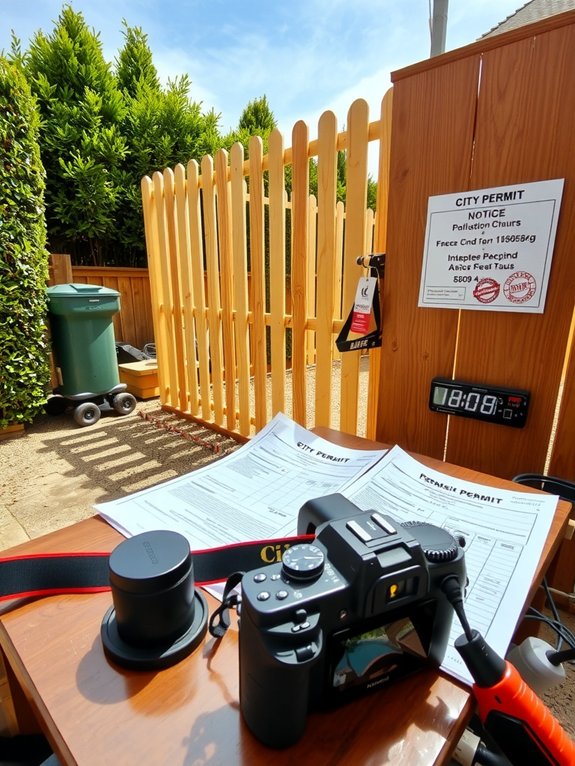
Once you’ve prepared your documentation and confirmed your project details, you need to work through Brevard’s BASS system. This online platform is where Brevard County handles all permit applications, so getting familiar with it is important.
Your building permit comes with specific fees you’ll need to pay. There’s a $25 application processing fee due when you submit. On top of that, you’ll pay a 1.5% Florida Building Code surcharge (with a $2 minimum) and a flat Building Code fee of $34.00. These charges cover the processing and inspections your project requires.
If your fence project is valued over $5,000, you have an additional step. You’ll file a Notice of Commencement with the Clerk of Courts, then upload it to BASS. After that, you’ll wait for Planning & Development to approve your application before any inspections can begin. This process protects both you and your neighbors by making sure everything follows local building standards.
Schedule Inspections and Complete Your Fence
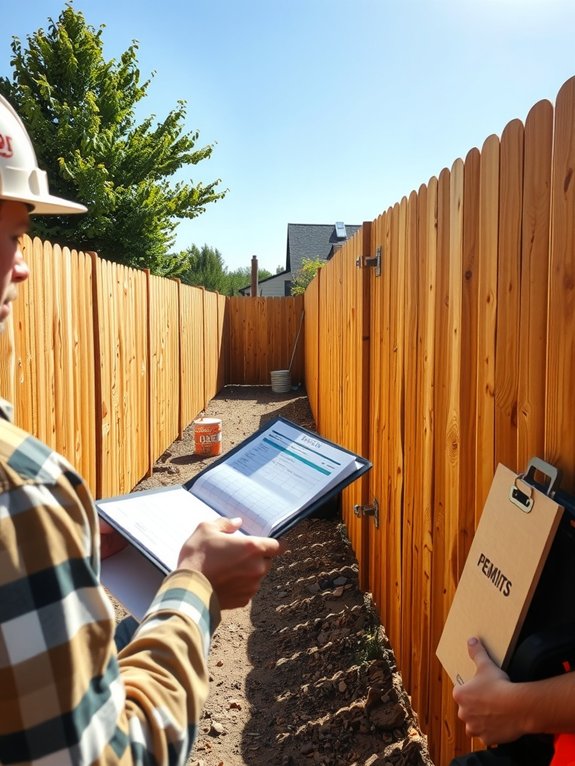
Now that Planning & Development has approved your project, it’s time to move forward with inspections. This phase is where your fence actually gets built and checked to make sure everything follows the rules you dealt with during permitting.
Here’s what you need to do:
Schedule and coordinate your inspections. Once you get your approval notification, contact BASS to set up inspection appointments. Work with the inspectors to find times that fit both your schedule and theirs. They’ll check your foundation, materials, and how straight everything lines up.
Verify your fence meets all requirements. During inspections, confirm that your fence respects the height limits and setback distances you already verified in the permit process. The inspectors will confirm these measurements match what you submitted.
Get your final sign-off. After the inspectors approve each checkpoint, make sure you get documentation showing completion. Keep these records for your files in case you need them later.
Each inspection represents real progress on your project. You’ve put time and effort into getting to this point, and these final checks confirm that your work meets local standards.