
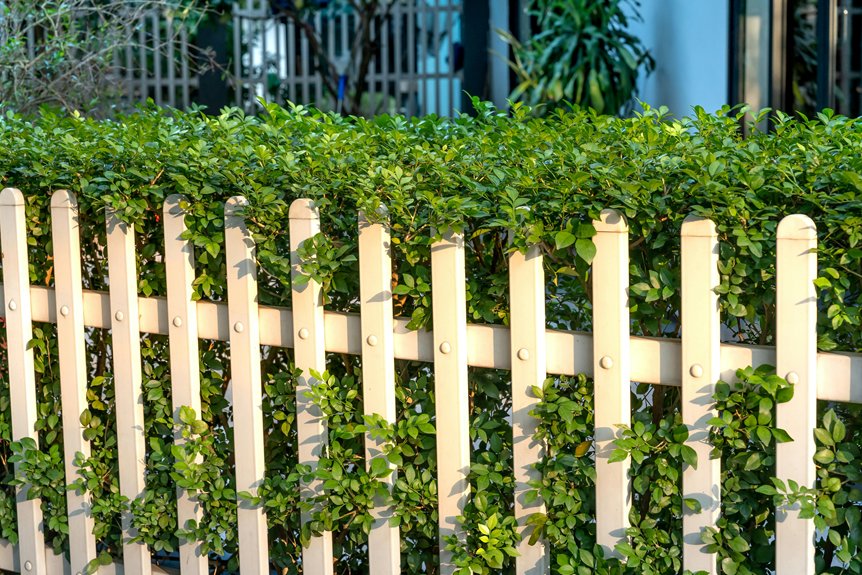
Your fence typically recovers 30 to 70 percent of installation costs. For example, a $3,200 vinyl fence might add $950 to $2,400 in appraised value. The real payoff depends on whether buyers in your neighborhood actually want privacy and security features.
Material choice makes a real difference. Vinyl and wood fences outperform chain-link when it comes to resale appeal. Beyond what appraisers officially note, a well-maintained fence can speed up your sale and strengthen offers from families and pet owners.
Your local market ultimately determines whether this investment makes financial sense. Some neighborhoods value fencing more than others, so you’ll want to check what similar homes in your area have sold for recently.
How Much Value Does a Fence Actually Add to Your Home?
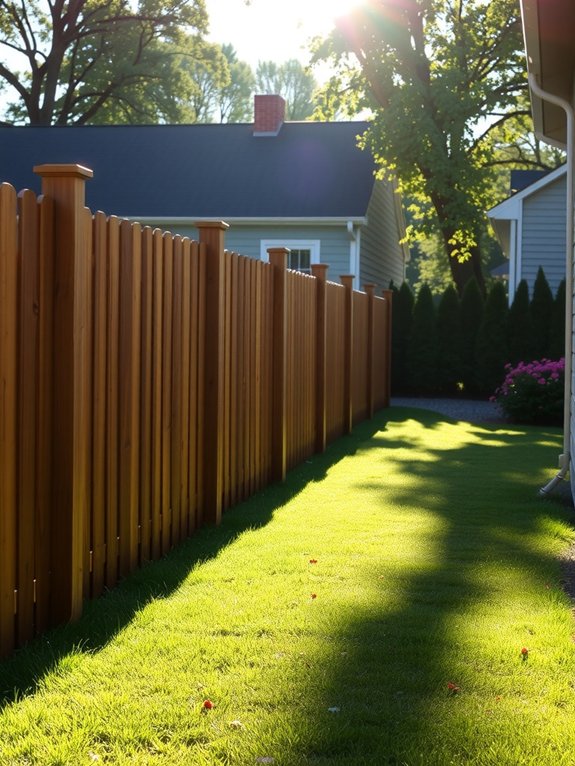
How Much Value Does a Fence Actually Add to Your Home?
When you install a fence, what you get back depends more on what buyers in your neighborhood want than on what you spend. You can reasonably expect to recover between 30% and 70% of your installation costs through increased home value. A $3,200 vinyl fence, for example, might add roughly $950 to $2,400 in appraised value—a solid return that reflects both the quality of materials and what local buyers prefer.
Here’s what you need to know: your fence probably won’t appraise at its full installation cost. That said, it can meaningfully speed up your home’s sale by attracting buyers who care about privacy and a polished look. Wood fences typically deliver better returns than chain-link options because they’re more visually appealing. The real value isn’t just in the appraisal bump—it’s in how the fence makes your property more marketable to the right buyers and strengthens your standing in the neighborhood.
Does Your Neighborhood Actually Reward a Fence Investment?
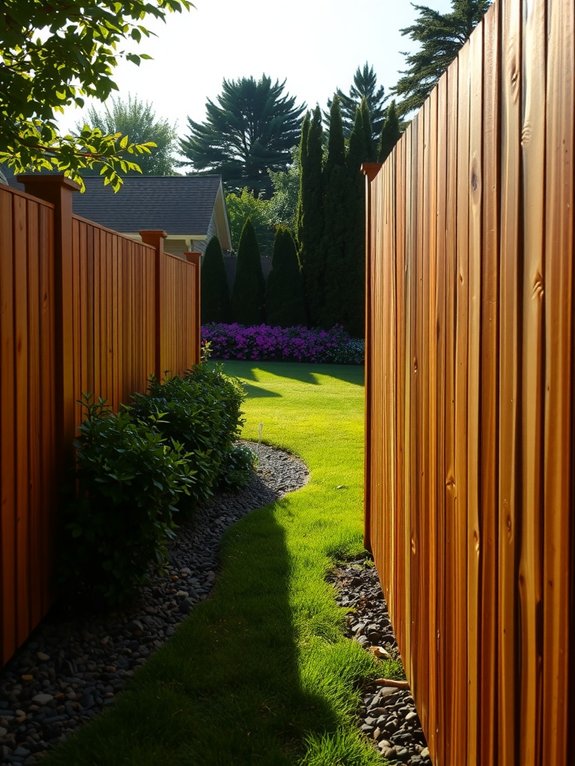
Where you live really does determine whether your fence investment pays off—and that reality catches a lot of homeowners off guard. You might assume a quality fence delivers the same returns everywhere, but that’s not how it works.
Your neighborhood norms matter considerably. When fences are common and expected in your area, they align with what buyers anticipate and strengthen how your property looks during showings. Privacy fences and decorative wrought iron tend to perform particularly well in family-oriented or high-traffic neighborhoods, where security concerns actually resonate with potential buyers looking at homes like yours.
Before you invest, though, you need to understand what local standards and permitting requirements mean for your specific situation. Height restrictions, setback rules, and property line regulations vary significantly depending on where you live. These rules affect how readily your fence helps you sell faster or whether it even matters at all.
Research comparable properties in your neighborhood to figure out whether your area actually rewards fence improvements or simply expects them as standard. This step takes some time, but it’s the only way to know if your money goes toward something buyers value or something they consider basic.
Which Fence Material Delivers the Best ROI?
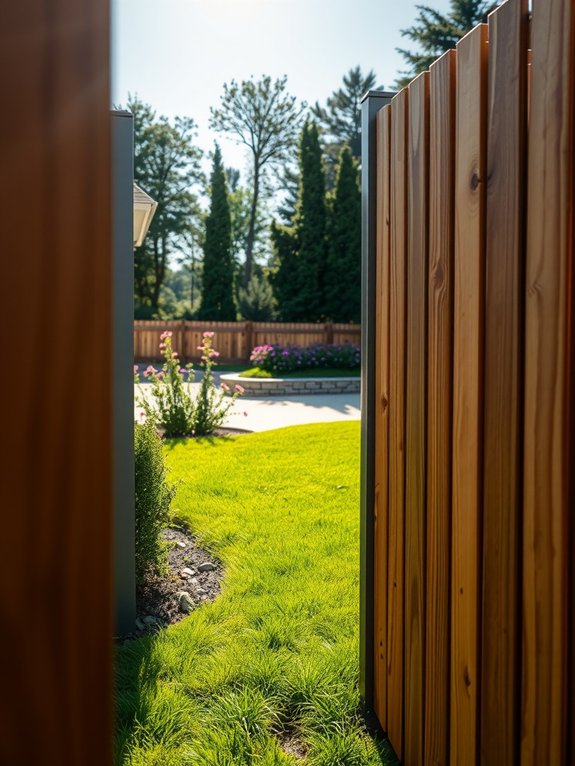
Your fence material choice directly affects both what you pay upfront and what buyers think your property is worth. Vinyl requires minimal maintenance. Wood offers the privacy that many homeowners want. Chain-link costs less but might hurt your resale value. Each option comes with different durability and repair demands that shape your long-term finances.
A fence that falls apart quickly or needs constant fixes can actually lower what buyers are willing to pay, not raise it. Composite materials last longer. Wrought iron looks impressive. These qualities matter because they influence whether your investment pays off when you eventually sell.
What makes financial sense depends on your neighborhood. In suburban areas where buyers want privacy, a wood fence typically brings solid returns. In regions where open yards appeal more to buyers, that same wood fence might not perform as well. Local market preferences determine whether your fence choice becomes a financial asset or a liability.
Material Cost vs. Return
When you’re deciding whether a fence will actually pay for itself, the material you pick matters way more than the price tag alone suggests. Different fence types recover their costs at pretty different rates depending on how long they last, how much work they need, and how they look to potential buyers.
| Material | Up-Front Cost | ROI Performance |
|---|---|---|
| Vinyl | Moderate | High—low maintenance maximizes returns |
| Wood | Low | Moderate—ongoing upkeep reduces gains |
| Composite | Higher | Solid—durability offsets initial expense |
Vinyl fences hit a sweet spot. You’ll pay a moderate price upfront, but you get exceptional returns because you skip the endless maintenance cycle that eats into wood fence profits. Composite fences cost more at the beginning, but they pay you back through years of durability and minimal upkeep. Wood fences look cheap initially, but the consistent maintenance work drains your long-term value pretty quickly.
The key difference comes down to what happens after installation. With vinyl, you’re mostly done after the fence goes up. With wood, you’re looking at regular staining, sealing, or painting to keep it from rotting. Composite sits somewhere in the middle—it costs more upfront but doesn’t demand the same level of attention as wood.
When you’re choosing fence material, think about both the initial investment and what comes next. Picking materials that match your willingness to maintain them helps you actually build equity in your property instead of just creating an ongoing expense.
Durability and Maintenance Impact
Durability and Maintenance Impact
Your material choice shapes not just what you spend right now but how your fence holds its value over the years. Understanding how durability and maintenance work together is really where you find actual returns on your investment.
Vinyl fences tend to deliver solid returns because they stand up to weather without needing paint or stain. That’s a real advantage if you’re thinking about costs over decades instead of just the next few years. Wood fencing, on the other hand, needs regular upkeep. Skip the maintenance and you’ll watch both the appearance and property value decline faster than you’d think.
Composite and PVC materials sit in the middle—they ask for less work than wood but still give you decent durability. Chain-link is the opposite: it barely needs maintenance, but it doesn’t offer much in terms of how your yard looks or whether it provides privacy. That’s why chain-link consistently shows weak returns across most neighborhoods.
When you pick your material, you’re essentially choosing between a smart investment and something that’s just going to sit there costing you money without adding value.
Regional Market Preferences Matter
Regional Market Preferences Matter
What works in one neighborhood won’t necessarily move the needle in another. Understanding your local market is just as important as picking the right material. Your regional trends, buyer demographics, and neighborhood standards ultimately determine which fence material actually delivers ROI gains.
A few market-driven factors shape what buyers in your area want:
- High-demand areas reward privacy fences that emphasize security and seclusion, commanding stronger resale value increases
- Suburban neighborhoods often favor vinyl for its low maintenance appeal and consistent aesthetic standards
- Dense urban settings prioritize privacy barriers that buffer against foot traffic and noise concerns
- Regional climate zones influence wood versus vinyl longevity, which affects how buyers perceive the fence’s durability
The smartest move is to research what buyers in your specific area actually value. Local real estate agents can tell you exactly which fence material aligns with neighborhood preferences. This groundwork ensures your improvement genuinely enhances what matters to your market rather than missing the mark entirely.
Will a Fence Help You Sell Faster (or Hurt Your Value)?
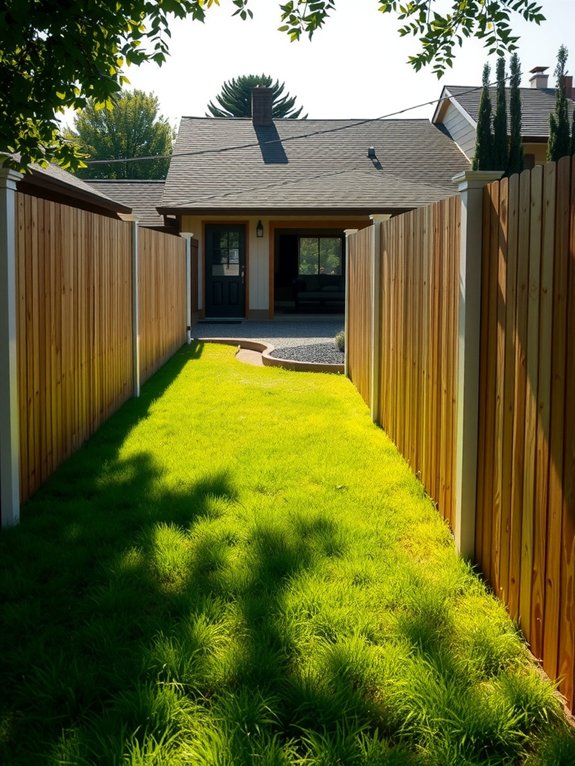
A fence’s real impact on your sale comes down to what buyers in your area actually want, not the fence itself. Families with kids or pets usually see a secure boundary as a major selling point. Other buyers might view an enclosed yard as limiting instead of protective.
Your neighborhood’s fence culture makes a big difference too. Put up a wrought iron or quality wood fence in a community where most yards have them, and you’re probably signaling desirable security and privacy that gets showings moving faster. But add one to an area where open yards are the norm, and you might clash with what local buyers expect to see.
The smartest approach is looking at comparable sales in your neighborhood. Check whether homes with fences actually close faster or get stronger offers. This real data matters way more than guessing about what will help your property sell.
Market Appeal and Speed
Market Appeal and Speed
How quickly your home sells matters just as much as the final price you get. A fence can help here—not by automatically boosting your appraisal, but by making your property stand out to the specific buyers already looking in your neighborhood.
Your fence works for you in concrete ways:
- First impressions count: A well-maintained privacy or wrought iron fence tells buyers you care about your property the moment they drive past
- Attracts the right buyers: Families with kids and pet owners actively search for fenced yards because they want security and privacy for their families
- Reduces time on market: Homes with fences tend to get offers faster because buyers can picture themselves using that outdoor space
The real advantage isn’t a higher appraisal value. It’s that you’ll draw genuine interest from buyers who are already motivated to find exactly what you’re offering. That faster interest often leads to quicker negotiations and a smoother sale overall.
Buyer Preferences Matter
A fence’s real impact on your sale speed comes down to who’s actually buying in your neighborhood. There’s no universal rule about fences adding value—what matters is whether your fence fits what your local buyers want.
Think about who lives in your area. If families with kids and pets dominate your neighborhood, a fenced yard signals safety and privacy. That’s what those buyers are looking for, and it can mean faster sales and stronger offers. But some buyers see fences differently. They want open layouts and view fences as limiting rather than appealing.
When you’re thinking about whether a fence makes financial sense, consider whether it matches what your neighborhood expects. A well-maintained fence that aligns with area standards can help your home sell faster. But a fence that stands out as unusual for your area might not give you the return you’re hoping for.
The key is understanding your specific buyer demographic. What security concerns do they have? What matters to their lifestyle? When you know what drives your local buyers, you’ll have a clearer picture of whether your fence investment actually moves the needle on your sale.
Why Buyers Value Privacy and Security
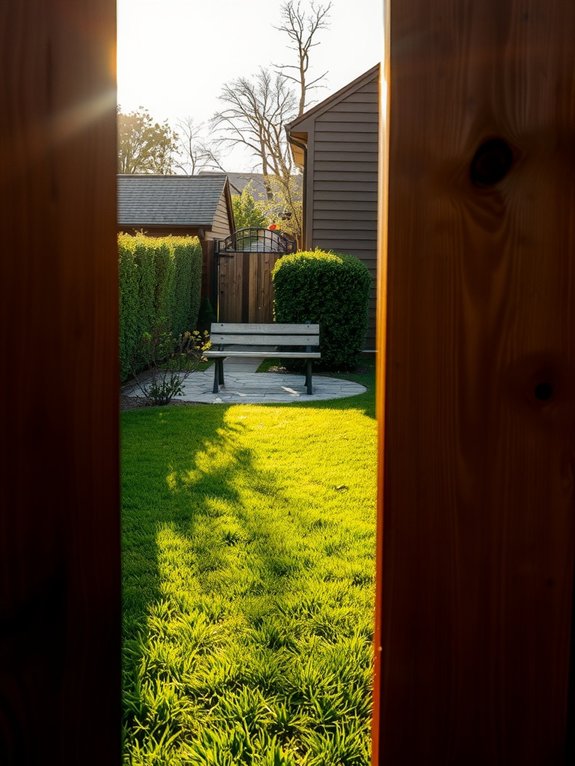
Most homebuyers won’t mention the fence as the reason they chose a property, but privacy and security—what a well-built fence actually provides—rank high on their priority list. These qualities shape whether you’re interested in a home and how aggressively you’ll bid on it.
A fenced yard gives you tangible benefits that go beyond how it looks:
- Safety for your kids and pets to play outside without worrying about them wandering off or strangers accessing your space
- Quieter outdoor time since a fence blocks traffic noise, neighbor sounds, and the stress that comes with urban living
- A screened view so you’re not looking at eyesores from neighboring properties
- Real privacy that turns your yard into a personal retreat
These concrete advantages matter to buyers, especially families looking for a break from activity around them. The comfort you get from having a secure boundary often leads to homes selling faster and commanding better prices than what inspectors might officially appraise them at.
How Appraisers Value Your Fence: Expert Perspectives
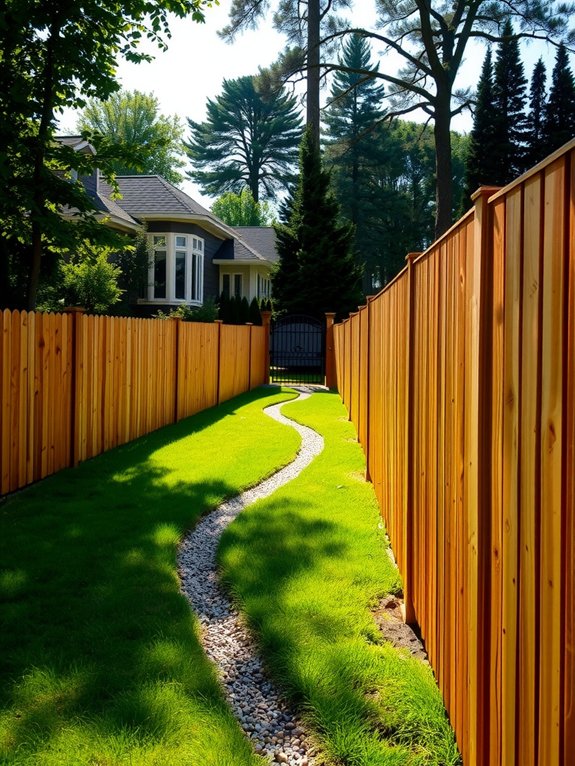
When you’ve invested in a fence—whether it’s vinyl or wood—you’re probably wondering if that money will show up in your home’s appraised value. The truth is more complicated than a simple yes or no answer. Appraisers don’t automatically increase your home’s value just because you added fencing. Instead, they look at what material you chose, how well it was installed, and whether it’s being maintained properly. They also consider what’s normal in your neighborhood.
A fence that’s in good shape and improves how your home looks from the street can add back 30% to 70% of what you spent on it when your home gets appraised. That’s not guaranteed money back, but it’s a real possibility. On the flip side, a fence that’s damaged or doesn’t fit with what other homes in your area have can actually hurt your home’s value. The appraiser might see it as a problem you’d need to fix rather than an asset.
The real factor here is what buyers in your neighborhood actually want. If people in your area care a lot about privacy and security, your fence becomes more valuable to them. If they don’t prioritize those things as much, your fence won’t boost your appraisal the same way. Before you decide whether a fence makes sense for your wallet, think about what matters to the people who might buy your home down the road.
Fence Curb Appeal and Faster Sales: Beyond Appraised Value
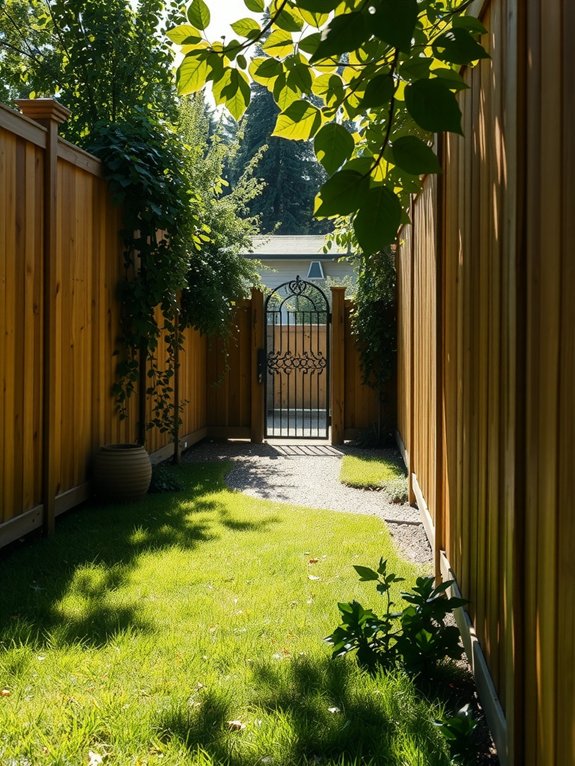
While appraisers typically won’t bump up your home’s assessed value much for a new fence, buyers often react positively when they see one. That immediate visual impression of privacy and security—combined with the sense that you’ve put thought into your landscaping—can speed up purchase decisions. This is especially true for families and pet owners who instantly recognize the practical value.
Your fence might not change the appraisal number, but it does change how buyers perceive your property. This shift in perception can compress your time on the market, which matters financially. Fewer days your home sits listed means lower carrying costs and stronger negotiating position with serious buyers. You’re essentially trading points on paper for points in real-world marketability, and that trade often pays off more when you’re focused on closing a sale rather than refinancing based on what an appraiser says your home is worth.
First Impressions Matter Most
How quickly you’ll sell a property often comes down to what a buyer feels when they pull into your driveway, not what an appraiser writes down. Your fence plays a bigger role in this moment than you might think. A well-chosen fence signals to buyers that you care about how your home looks.
When buyers first see your property, they’re noticing several things:
- The privacy and security your fence provides
- How clearly your property boundaries are defined
- Whether your fence looks maintained and well-finished
- How your fence fits with your home’s overall style
A clean, thoughtfully designed fence tells buyers something important: you take care of your home. This confidence matters more than appraisal numbers. It shortens how long your home sits on the market and strengthens what buyers are willing to pay. They’re not basing this on what an appraiser says—they’re basing it on what they see and feel the moment they arrive.
Speed Of Sale Value
You’ve probably noticed it yourself—the moment a buyer turns onto your street, they’re already forming opinions. Their first impressions aren’t based on what an appraiser will later determine, but on the actual condition of your yard and the sense of care it displays. While a fence won’t bump up your home’s appraised value on paper, it does change how quickly your home sells. A well-maintained privacy fence appeals directly to buyers with families or pets, meeting their practical needs and creating emotional connection before any negotiation happens.
How you install that fence matters just as much as the fence itself. Quality materials that fit your home’s style signal value to potential buyers and tend to encourage competitive offers. You’re not necessarily adding dollar amounts to your appraisal, but you are strategically cutting down how long your home sits on the market through genuine buyer appeal.
| Factor | Impact |
|---|---|
| Privacy fencing | Family appeal |
| Professional installation | Market speed |
| Material selection | Perceived value |
| Buyer demographics | Negotiation advantage |
The real benefit comes from understanding your local market. Families and pet owners actively search for homes with established fencing, so your installation directly addresses what these buyers want to see. When you combine quality materials with proper installation, you’re creating a competitive advantage that translates into faster interest and quicker offers. The investment in a professionally installed fence pays off through reduced time on market, not through inflated appraisals.
Market Perception And Appeal
What separates a home that sits on the market from one that gets multiple offers in a few weeks often comes down to that first moment when a buyer pulls into your driveway. It’s not about what an appraiser writes down—it’s about what your fence says about how you maintain your property and what kind of place this is.
Your fence shapes how buyers see your home before they even walk inside. Think about the message you’re sending with it.
A well-maintained fence with fresh paint or thoughtful details makes a real difference in how people react to your property. When buyers drive up and see a cohesive, cared-for exterior, they start picturing themselves living there. A fenced yard appeals directly to families and pet owners looking for privacy and safety. That combination of signals—good upkeep, clear boundaries, attention to detail—often moves people from casual interest to genuine urgency.
The practical effect shows up in faster offers and better negotiating position. Buyers notice the difference between a property where someone’s invested in the details and one where they haven’t. Your fence is one of the first things they see, so it carries weight in their decision-making before anything else registers.
Fence Costs and Long-Term Maintenance: Real ROI Math
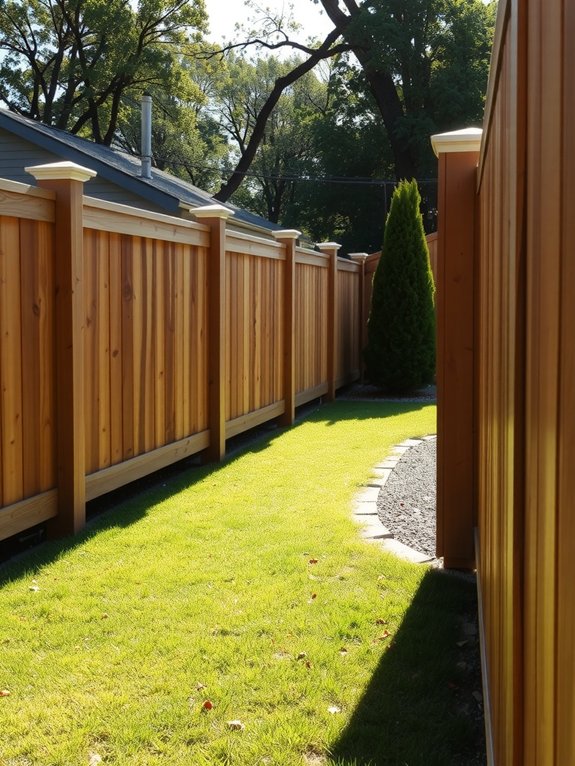
When you’re deciding whether a fence installation makes financial sense—not just for privacy or security, but as a real investment in your property’s value—the numbers matter. A typical $3,200 fence project returns about 30% to 70% of what you spend, which works out to roughly $950 to $2,400 in added appraised value. The exact amount depends on your local real estate market.
Vinyl and wood fences tend to give you the best long-term return because they hold up well over time and don’t demand constant attention. That said, what you actually get back on your investment comes down to how well you maintain it. Checking regularly for damage and washing your fence annually keeps it looking solid and protects the value it adds to your property. When you combine quality professional installation with consistent upkeep, your fence actually builds value over the years instead of turning into an expensive problem you’ll regret.
Which Fence Features Are Deal-Closers for Local Buyers?
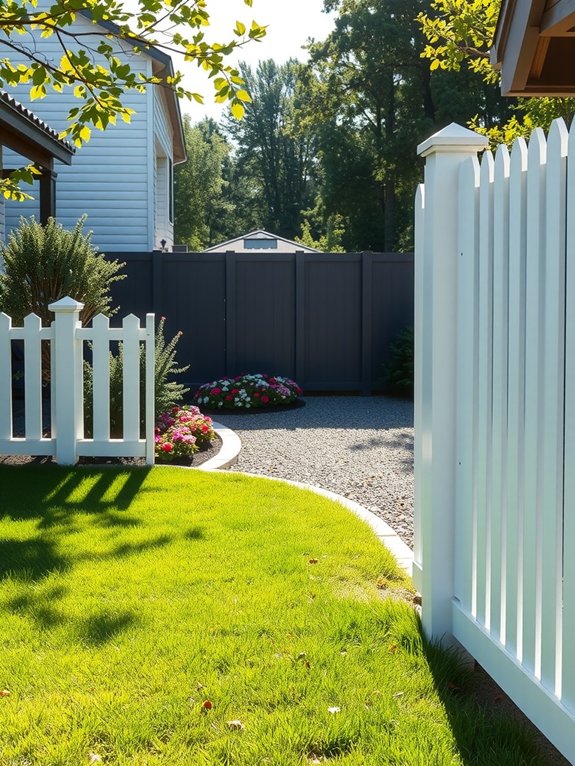
- Fence materials that fit what your neighbors choose—vinyl in suburban areas, wrought iron in upscale neighborhoods—since your material choice affects how buyers see your home and how much work they think it needs
- Privacy features that appeal to families and pet owners, the groups that buy homes faster in your area
- Local code compliance and proper permits, which protect what your home is worth by keeping you from expensive removal or modification later
- Low-maintenance construction that gives you solid return on investment because buyers know they won’t spend a lot keeping it in shape
The fence that actually sells your home isn’t always the most expensive one. It’s the one that matches what your neighbors value, mixing practical security with what your community expects to see.
Permits and Installation: Protecting Your Fence’s Value
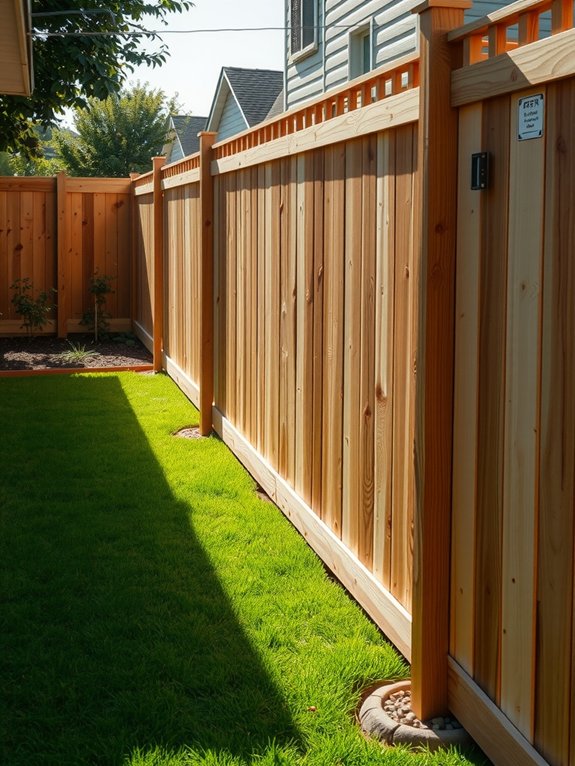
When you’re putting money and time into a fence project, getting the right permits before you start matters more than you might think. Skipping this step now means dealing with expensive fixes later—or worse, complications when you try to sell your home. A professional installer knows the local rules in your area and makes sure your fence meets height requirements, property line setbacks, and neighborhood codes. In cities like Seattle and Portland, missing permit requirements can create real problems during a sale and make buyers hesitant.
| Aspect | What Goes Wrong | How to Protect Yourself |
|---|---|---|
| Height Violations | You’ll have to pay to remove it | Hire a professional who knows local codes |
| Property Lines | You could face legal disputes with neighbors | Get a proper survey before installation starts |
| Buyer Perception | Home value drops and sales get complicated | Keep documentation proving everything’s legal |
| Resale Process | Closing gets delayed | Permits smooth out regulatory obstacles |
| Appraisal Impact | Appraisers value it lower | A compliant fence actually boosts assessments |
Proper permits turn your fence into real equity. Appraisers and buyers recognize a compliant installation right away, which means your investment actually counts when it matters most.